Content
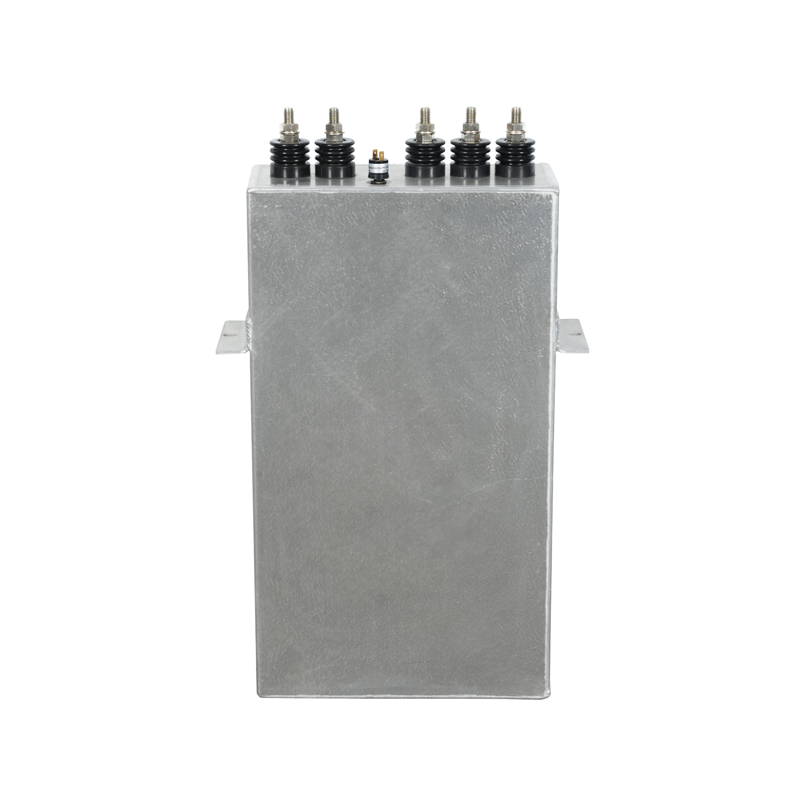
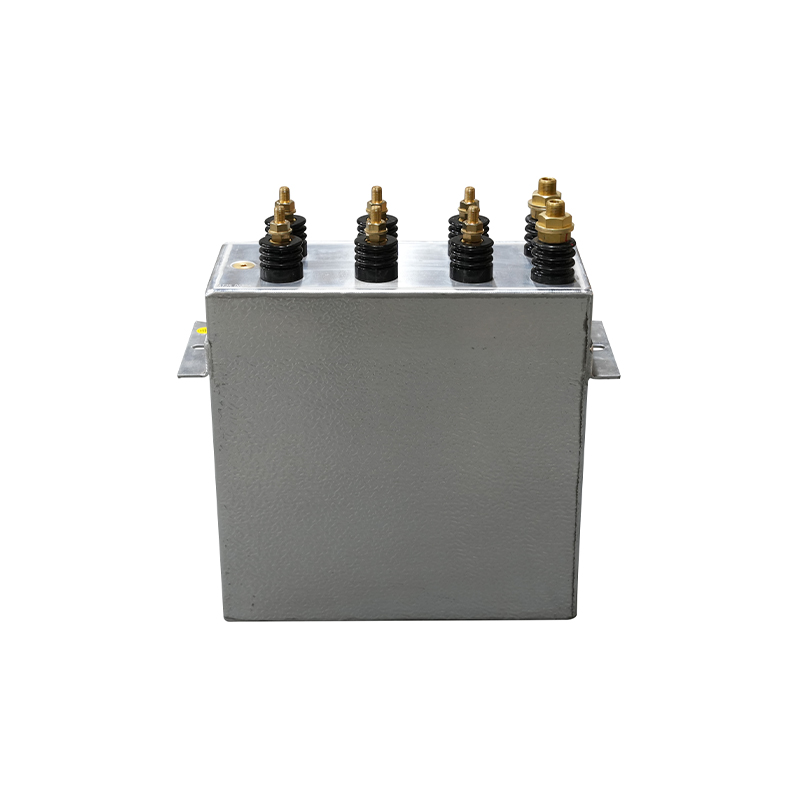
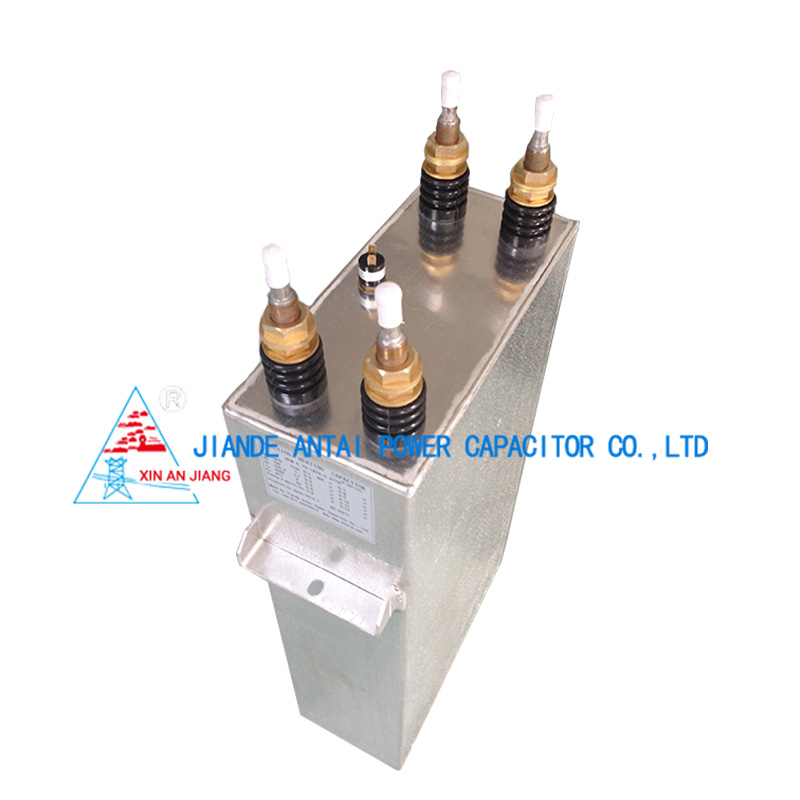
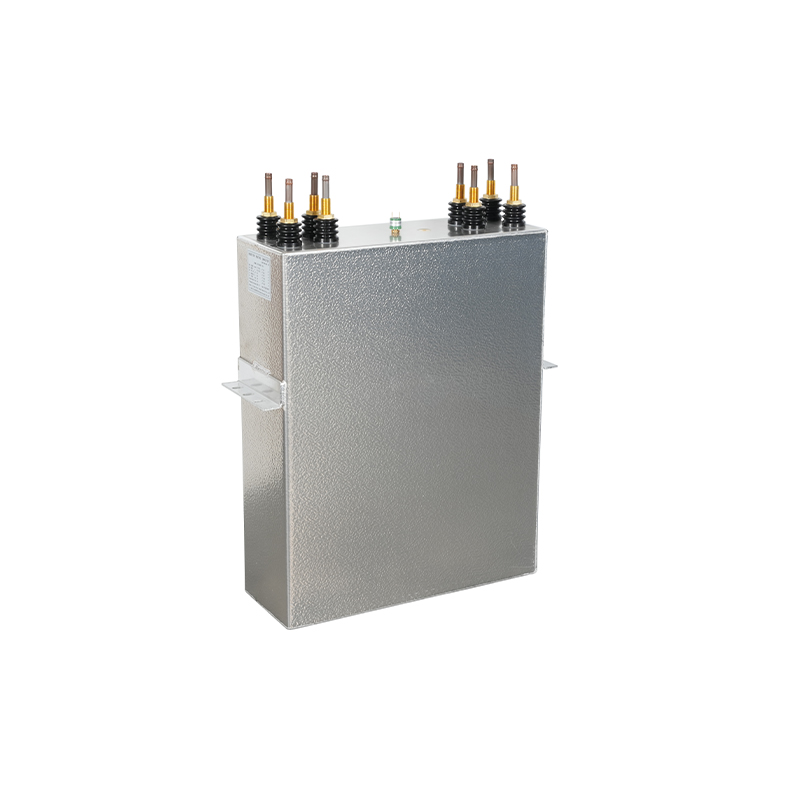
1. The integration of a High Voltage Shunt Capacitor with series-connected reactors forms a detuned filter circuit specifically engineered to shift the system's resonant frequency away from characteristic harmonic orders.
2. When evaluating how series reactors prevent harmonic amplification in shunt capacitors, engineers apply a reactance ratio (typically 6% or 12%) to ensure the circuit remains inductive for frequencies above the tuning point, thereby blocking the 5th and 7th harmonic currents.
3. For an industrial High Voltage Shunt Capacitor installation, this configuration is essential to prevent parallel resonance with the grid's inductive reactance, which could otherwise lead to catastrophic voltage magnification.
4. The impact of reactor detuning on capacitor voltage stress must be accounted for in the design phase; a 6% reactor increases the fundamental voltage across the capacitor terminals by approximately 6.4%, necessitating a higher rated voltage to maintain dielectric integrity.
1. Calculating harmonic current limits for High Voltage Shunt Capacitors involves summing the root-mean-square (RMS) values of the fundamental and all harmonic components to ensure the total current does not exceed 1.3 times the rated current per IEC 60871 standards.
2. Investigating why internal fuses are critical for shunt capacitor protection reveals that during an element failure caused by harmonic overheating, the internal fuse isolates the faulty section within milliseconds, preventing gas buildup and tank rupture.
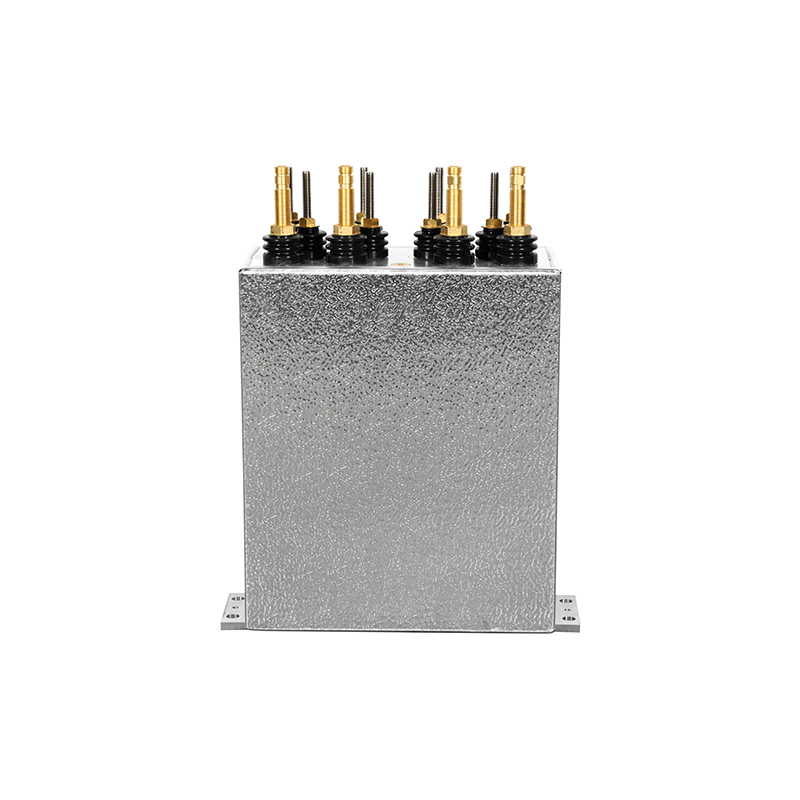
3. In a High Voltage Shunt Capacitor, the use of all-film polypropylene dielectrics impregnated with synthetic aromatic hydrocarbon fluids provides a dissipation factor (tan delta) of less than 0.2 W/kvar, minimizing internal heat generation.
4. Achieving a high Ra surface finish on internal foil edges and utilizing folded-edge technology reduces localized electric field concentrations, which is vital for maintaining a high partial discharge inception voltage under distorted waveforms.
1. How pre-insertion resistors reduce capacitor inrush current: By momentarily inserting resistance during the closing stroke of the vacuum circuit breaker, the peak transient current is dampened, protecting the High Voltage Shunt Capacitor from mechanical stress and dielectric shock.
2. Testing the BIL (Basic Insulation Level) of high voltage capacitors confirms the tank and bushings can withstand lightning impulses and switching surges, with typical ratings for 10kV systems reaching 75kV or higher.
3. The impact of ambient temperature on shunt capacitor lifespan is governed by the Arrhenius law; however, the cooling efficiency of the stainless steel tank, often finished with high-emissivity paint, allows for continuous operation in Class D (+55°C) environments.
4. Comparison of Protection and Harmonic Performance:
| Design Configuration | Standard Shunt Bank | Detuned High Voltage Shunt Capacitor (6% Reactor) |
| 5th Harmonic Impedance | Capacitive (Risk of Resonance) | Inductive (Suppression) |
| Inrush Current Peak | High (up to 100 x In) | Lowered by Reactor Impedance |
| Tank Material | Standard Steel | Stainless Steel (High tensile strength) |
| Switching Transient Peak | 2.0 - 3.0 pu | 1.5 - 2.0 pu |
1. Measuring the seismic withstand capability of capacitor racks involves finite element analysis to ensure the High Voltage Shunt Capacitor bushings do not fracture during horizontal accelerations exceeding 0.5g.
2. Comparing internal vs external fuse shunt capacitors: Internal fuses offer higher reliability in harmonic-rich environments as they respond to individual element failures rather than waiting for the entire unit's current to reach a threshold.
3. Optimizing the location of High Voltage Shunt Capacitors in a grid involves placement at the primary substation nodes to maximize the reduction of transmission line losses and improve the overall power factor of the industrial network.
1. Can a High Voltage Shunt Capacitor be used alone in a system with VFDs?
No, it is highly discouraged. Without series reactors, the High Voltage Shunt Capacitor acts as a sink for high-frequency harmonics, which can lead to resonance and explosive failure.
2. What is the standard reactor rating for 5th harmonic suppression?
A 6% series reactor is the industry standard. It tunes the LC circuit to approximately 204 Hz (for a 50Hz system), making it inductive for the 250 Hz 5th harmonic.
3. How does harmonic distortion affect the tan delta of the capacitor?
Harmonic currents increase the frequency-dependent dielectric losses. If not properly cooled, this raises the internal temperature, which can eventually increase the tan delta and lead to thermal runaway.
4. Why is the tank material usually stainless steel?
Stainless steel provides the necessary tensile strength to withstand internal pressure during faults and superior corrosion resistance for a 20+ year outdoor service life.
5. What happens if the capacitor bank is over-compensated?
Over-compensation leads to a leading power factor, which can cause transient overvoltage issues at the busbar and potentially interfere with the excitation systems of nearby generators.
1. IEC 60871-1: Shunt capacitors for a.c. power systems having a rated voltage above 1000 V - Part 1: General.
2. IEEE Std 18: IEEE Standard for Shunt Power Capacitors.
3. IEC 61642: Industrial a.c. networks affected by harmonics - Application of filters and shunt capacitors.
Contact Us
News center
May - 2026 - 24
information
Tel: +86-571-64742598
Fax: +86-571-64742376
Add: Zhangjia Industrial Park, Genglou Street, Jiande City, Zhejiang Province, China