Content
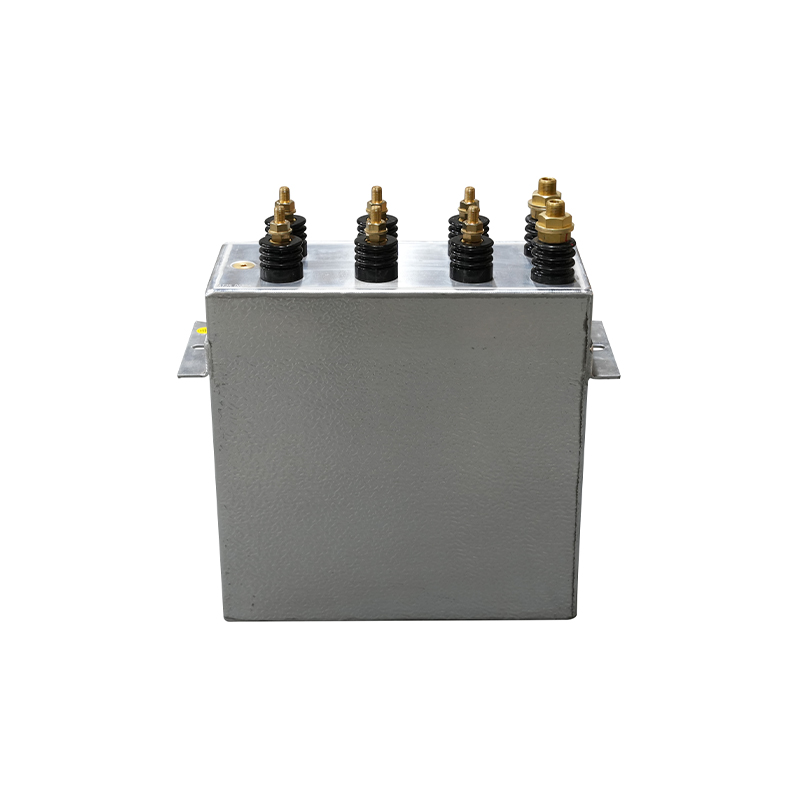
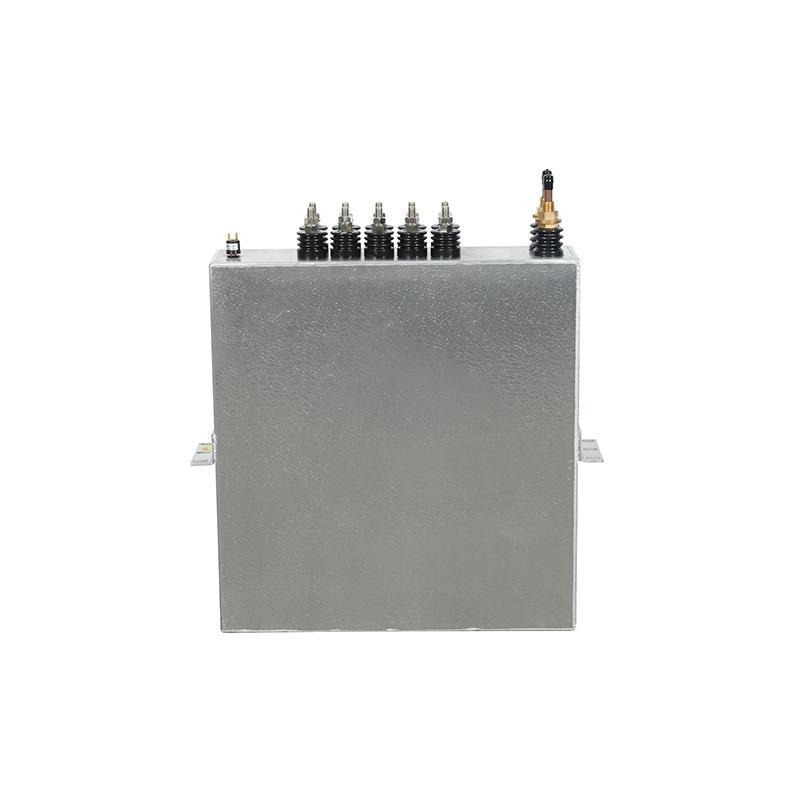
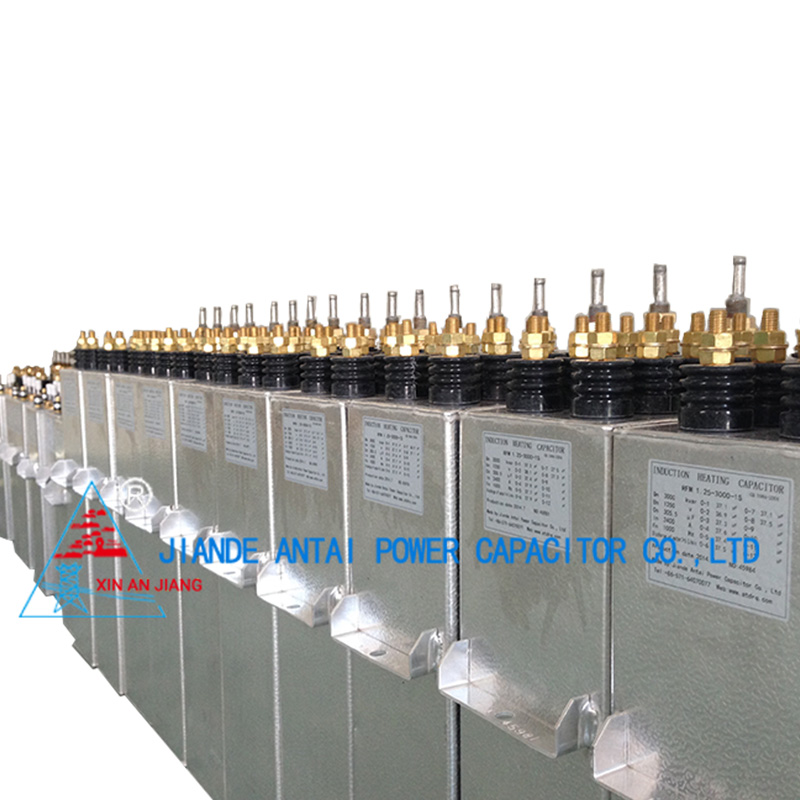
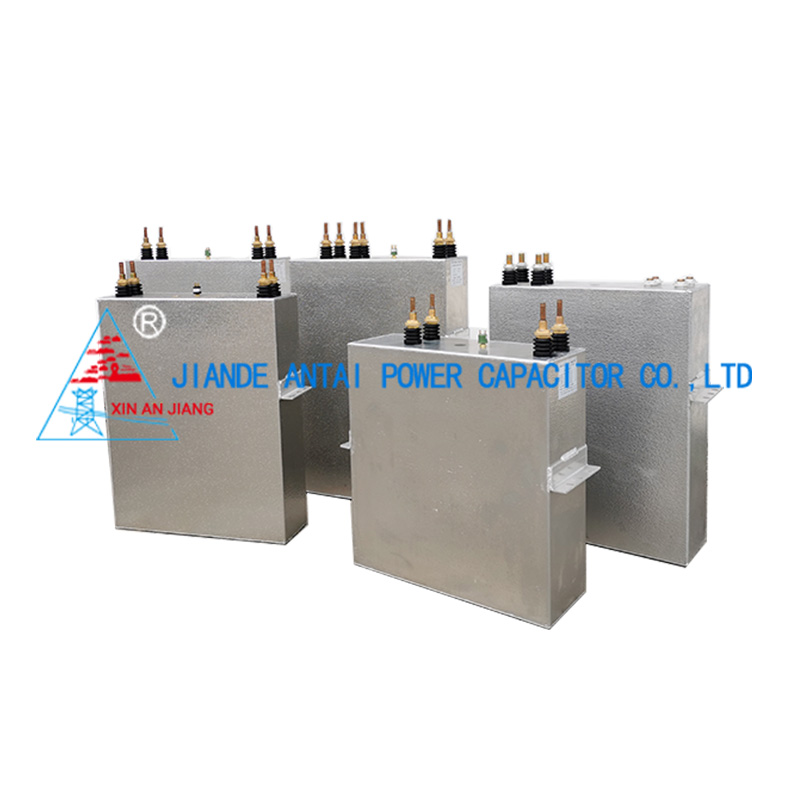
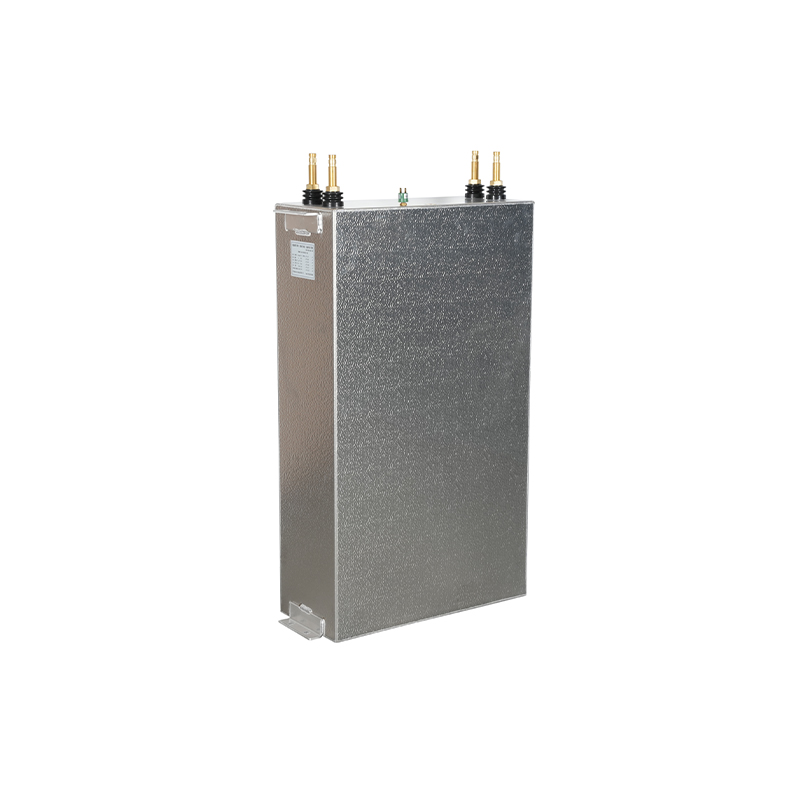
A High Voltage Capacitor is a passive electronic component engineered to store and release electrical energy under high voltage conditions. Unlike standard capacitors designed for low‑voltage applications, high‑voltage varieties are built with robust dielectric materials and insulation layers to safely handle large voltage differentials, often hundreds or thousands of volts. Their purpose is not only to store charge but to maintain stable performance under stress, which is critical for applications such as power supplies, pulse‑power systems, industrial equipment, and energy storage units. The unique construction ensures that leakage current is minimized, dielectric breakdown is prevented, and the capacitor remains reliable over many charge/discharge cycles.
When selecting a high‑voltage capacitor, several specifications matter. The voltage rating determines the maximum voltage the device can handle without breakdown. Capacitance defines how much charge can be stored, and the dielectric type influences both performance and safety. These specs dictate suitability for different applications — for instance, high voltage ratings are mandatory for power supply filters or pulse circuits, while high capacitance values matter for energy storage tasks. Understanding how these specs interplay ensures optimal design and avoids failure.
At its core, a capacitor stores electrical energy in an electric field generated between two conductive plates separated by a dielectric. In a High Voltage Capacitor, this dielectric must resist breakdown under substantial voltage. The energy (E) stored is proportional to ½ · C · V², where C is capacitance and V is voltage. Therefore, increasing either capacitance or allowable voltage significantly increases stored energy. However, practical limitations — dielectric strength, size, leakage, and safety margins — place tradeoffs on just how much energy can be stored. High energy density capacitors push these boundaries, making efficient design critical for maximizing storage without risking dielectric failure or excessive leakage.
Improving storage efficiency of a high‑voltage capacitor involves optimizing material choice, geometry, and manufacturing processes. The dielectric must offer high breakdown voltage, low permittivity loss, thermal stability, and minimal leakage. Plate spacing and surface quality also play a role — smoother surfaces reduce localized field concentration and risk of breakdown. Additionally, controlling manufacturing tolerances ensures consistency and reliability. These careful design and material decisions not only enhance the stored energy per unit volume but also ensure the capacitor maintains efficiency over its operational life while avoiding failures or safety hazards.
Choosing the right voltage rating for a High Voltage Capacitor is crucial. Underrating a capacitor leads to dielectric breakdown, risking catastrophic failure; overrating can result in unnecessary cost and size. Engineers typically derate by 20–40% — selecting a capacitor whose rated voltage exceeds the system’s maximum by a comfortable margin. Additionally, the capacitor must handle potential transient spikes. Understanding the full electrical environment—including steady‑state voltage, spikes, ripple, and safety factors—guides proper voltage rating selection. This ensures longevity, reliability, and safety over the device lifetime.
High‑voltage capacitors undergo stress from electric fields, temperature changes, and repeated charge/discharge cycles. Over time, dielectric materials may degrade — increasing leakage, reducing capacitance, or risking breakdown. Monitoring factors such as operating temperature, voltage excursions, and ripple current is vital for prolonging lifespan. Using conservative ratings, providing adequate cooling, and avoiding frequent large voltage swings help mitigate degradation. Design choices and maintenance also affect how long a capacitor remains within safe operating parameters without significant efficiency loss or safety risk.
In power supply systems, a High Voltage Capacitor serves to smooth voltage, store charge, and handle high‑voltage pulses. For example, after a rectifier, the capacitor holds charge to provide stable DC output, absorb ripple, and supply surge currents when needed. In pulse‑power applications, capacitors release stored energy rapidly to drive high‑current loads. Correct integration involves matching capacitance and voltage rating to the supply’s demands, and placing the capacitor physically and electrically to minimize inductance and resistance — maximizing efficiency and response.
High‑voltage capacitors are commonly used in industrial power supplies, medical imaging equipment, high‑voltage test rigs, and energy storage modules. In each scenario, safety is paramount — improper handling or insulation failure can lead to dielectric breakdown, arcing, or catastrophic discharge. Engineers must ensure proper enclosure, insulation barriers, clearances, and grounding. Safety margins, derating, regular inspection, and thermal management are all part of ensuring reliable, safe operation across the capacitor’s life.
Depending on application — from high‑power smoothing to pulse discharge — the choice of a High Voltage Capacitor varies. The balance among voltage rating, capacitance, size, dielectric type, and leakage current leads to tradeoffs. The following table summarizes typical parameters and suggests where each type might excel, helping engineers choose the most efficient and appropriate solution for their needs.
| Application | Voltage Rating (V) | Capacitance (µF) | Typical Use Case |
| DC Power Supply Filtering | 500 – 2,000 | 10 – 100 | Smoothing ripple, stable DC output |
| Pulse‑Power / Discharge | 1,000 – 10,000 | 1 – 50 | Pulsed discharge for high‑current load |
| Energy Storage Modules | 2,000 – 5,000 | 50 – 500 | Buffering energy, backup power, load leveling |
| High Voltage Test Equipment | 5,000 – 20,000+ | 0.1 – 10 | Dielectric testing, high‑voltage experiments |

The lifespan of a high‑voltage capacitor depends on its design, operating conditions, and maintenance. Under ideal conditions — conservative voltage derating, stable temperature, minimal ripple current — a well‑designed capacitor may last many years (5–15 years or more). However, frequent high‑voltage spikes, temperature cycling, or continuous high ripple current accelerate dielectric degradation, reducing lifespan. Regular inspection of leakage current, insulation resistance, and capacitance drift can help anticipate performance decline and schedule replacements before failure.
Common failure modes include dielectric breakdown (leading to short or catastrophic failure), increased leakage current, capacitance drift, and insulation degradation. Other issues may arise from thermal stress, mechanical damage, or manufacturing defects. Preventing failure requires proper voltage rating selection, derating margin, temperature control, periodic inspection, and appropriate layout and insulation design.
Yes — high‑voltage capacitors can play a role in renewable energy or hybrid systems as buffer storage or power smoothing components. For short‑term energy buffering or rapid response discharge (e.g., smoothing output from intermittent sources, handling surges), they offer advantages like high efficiency and fast response. However, for long‑term bulk energy storage, battery or other energy storage technologies tend to be more cost‑effective, so capacitors are typically used alongside — not instead of — those systems.
To choose correctly, first identify the maximum operating voltage and any possible transient spikes in your system. Then select a capacitor whose rated voltage significantly exceeds that maximum — a common safety margin is 20–40%. Also consider environmental factors: temperature, humidity, potential overvoltage, and longevity requirements. Always factor in derating and choose dielectric and insulation types suitable for the operating conditions.
Contact Us
News center
information
Tel: +86-571-64742598
Fax: +86-571-64742376
Add: Zhangjia Industrial Park, Genglou Street, Jiande City, Zhejiang Province, China
mobile


 English
 русский
 Deutsch