Content
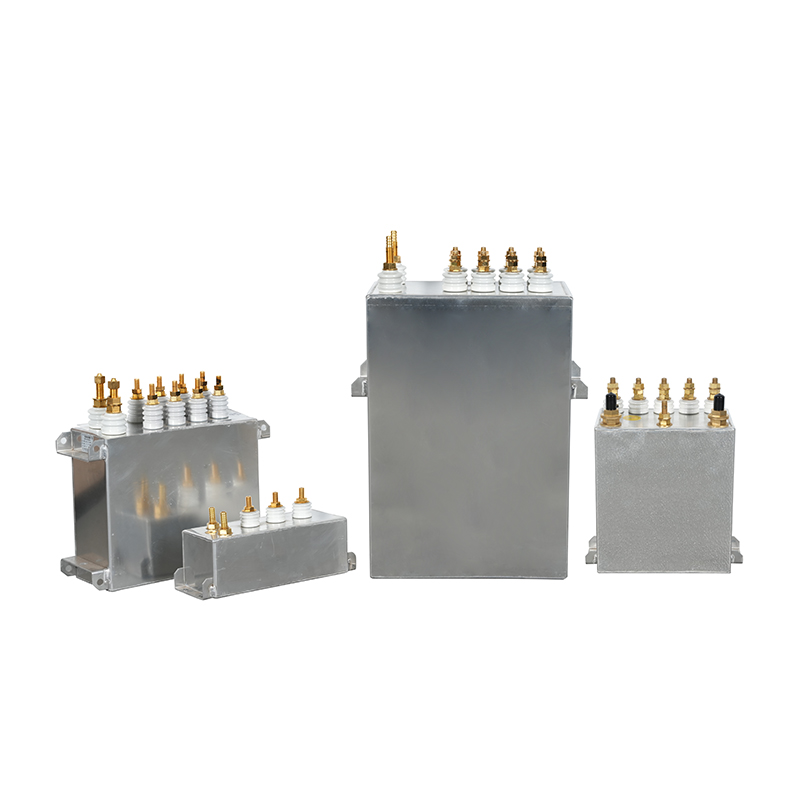
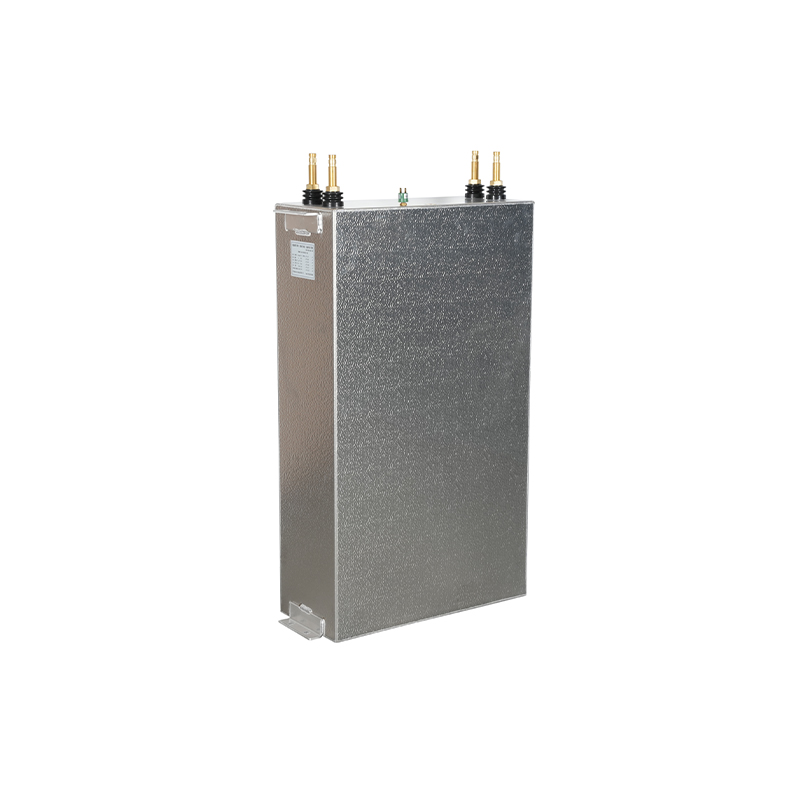
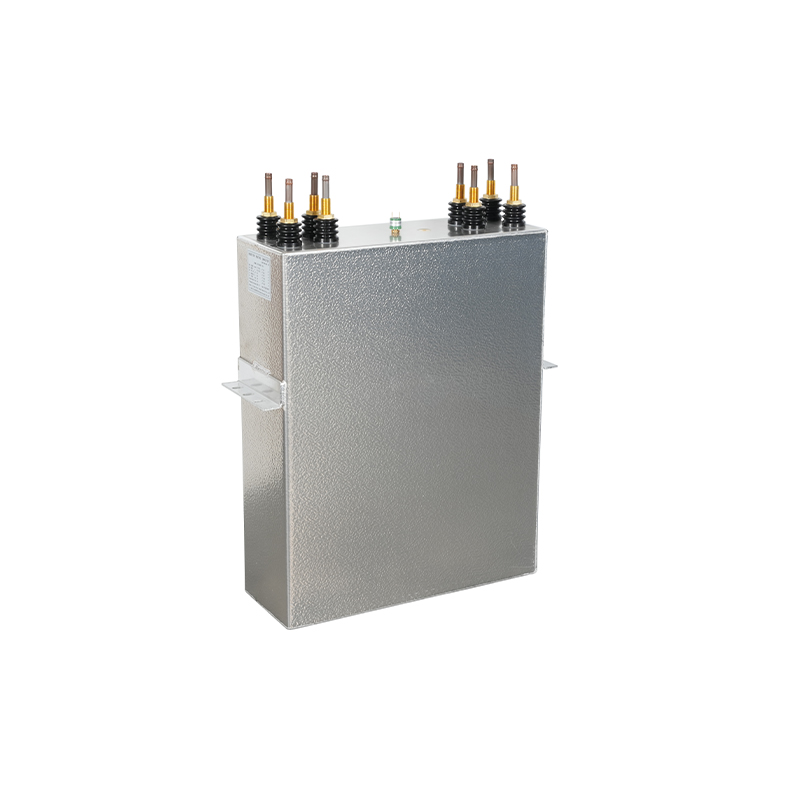
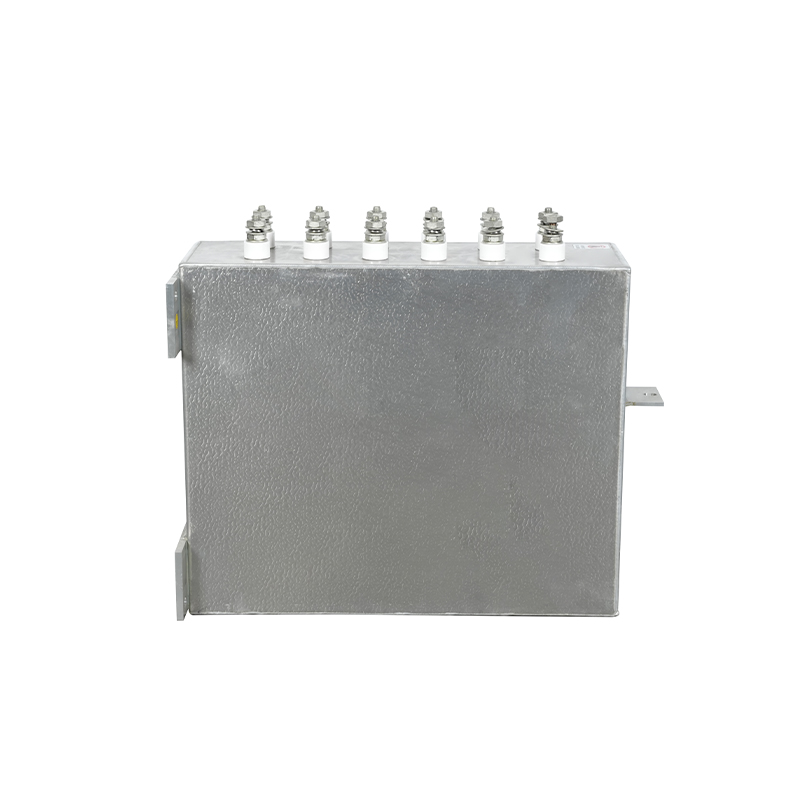
Water cooled capacitors are specialized passive components designed for high-power, high-frequency applications where conventional air cooling cannot adequately manage thermal loads. These devices enable efficient reactive power delivery in industrial processes including induction heating, melting, welding, and RF generation. For procurement engineers and technical buyers, understanding the engineering principles behind these components is essential for selecting optimal solutions.
The selection between water cooled capacitor vs air cooled technologies involves fundamental thermal dynamics, application requirements, and total cost analysis. Each approach presents distinct advantages depending on operational parameters.
All capacitors generate heat due to equivalent series resistance (ESR) and dielectric losses. In high-frequency applications, these losses increase proportionally with frequency. Without adequate cooling, internal temperatures exceed dielectric material limits, causing premature failure .
| Parameter | Water Cooled Capacitor | Air Cooled Capacitor | Engineering Impact |
|---|---|---|---|
| Heat transfer coefficient | 500-1500 W/m²K | 10-100 W/m²K | Water cooling removes heat 15-50x faster |
| Maximum current density | High (limited by dielectric) | Moderate (limited by thermal) | Higher power density in smaller footprint |
| Operating frequency range | DC to MHz (with design) | DC to low MHz | Water cooling enables higher frequency operation |
| System complexity | Requires cooling loop, pump, heat exchanger | Simple, self-contained | Air cooling offers lower initial complexity |
| Maintenance requirements | Water quality monitoring, flow verification | Periodic cleaning of fins | Air cooling has lower maintenance burden |
| Initial cost | Higher (capacitor + cooling infrastructure) | Lower (capacitor only) | Budget-dependent selection |
Continuous duty applications above 50 kVAR typically require water cooling. Induction heating systems operating above 10 kHz benefit from water-cooled designs due to increased dielectric losses at higher frequencies. Air cooling remains viable for intermittent duty and lower power applications below 20 kVAR .
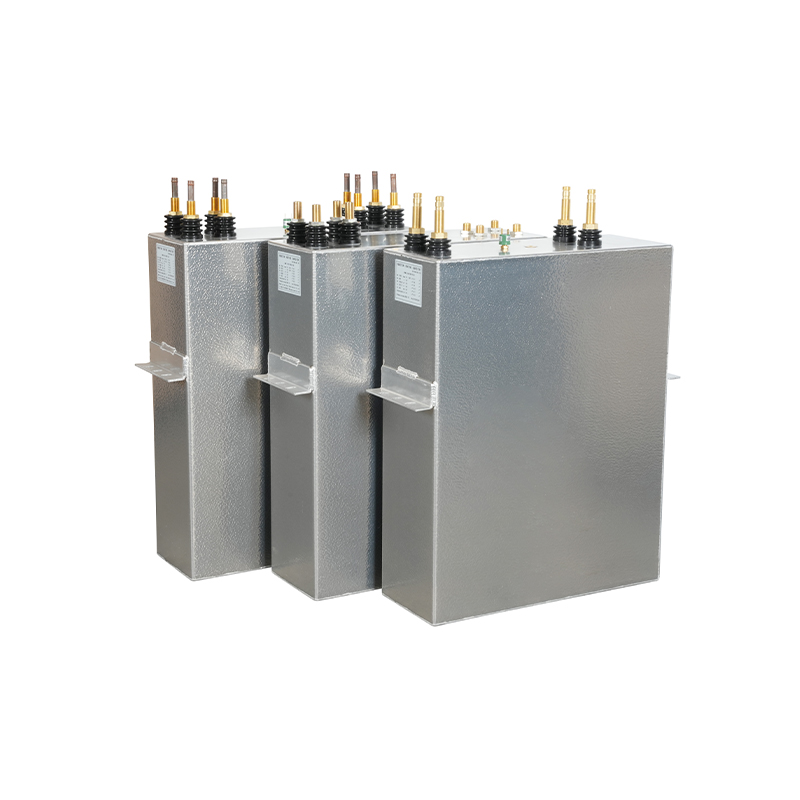
A comprehensive water cooled capacitor maintenance guide ensures operational reliability and extends service life beyond 100,000 hours. Systematic inspection protocols prevent catastrophic failures in critical industrial processes.
Regular maintenance activities should follow scheduled intervals based on operating hours and environmental conditions .
| Parameter | Acceptable Range | Optimal Range | Consequence of Non-Compliance |
|---|---|---|---|
| Conductivity | < 20 µS/cm | < 5 µS/cm | Electrolysis, galvanic corrosion |
| pH value | 6.5 - 8.5 | 7.0 - 8.0 | Corrosion or scaling |
| Particle size | < 50 µm | < 25 µm | Cooling channel blockage |
| Biological contamination | None detectable | Sterile | Biofilm, flow restriction |
Induction heating systems demand high frequency water cooled capacitor for induction heating designs that maintain electrical performance while managing extreme thermal loads. These components operate at frequencies from 1 kHz to over 1 MHz in resonant tank circuits.
Induction heating capacitors must handle high reactive power (kVAR) while maintaining low losses. The product of frequency and voltage determines capacitor stress. Modern designs achieve current ratings exceeding 1000 amperes at frequencies up to 400 kHz .
Water-cooled capacitors in induction heating systems enable higher power densities than air-cooled alternatives. A single water-cooled unit can replace multiple air-cooled capacitors in parallel, reducing system complexity and improving reliability. Thermal stability ensures consistent tuning of the resonant circuit throughout operation .
The selection of water cooled capacitor dielectric material polypropylene represents an engineering consensus based on measurable electrical and thermal properties. Polypropylene offers optimal performance for high-frequency, high-voltage applications.
Dielectric materials store electrical energy through molecular polarization. Key parameters include dielectric constant (εr), dissipation factor (tan δ), and dielectric strength. Lower dissipation factors reduce internal heating, while higher dielectric strength allows thinner films for given voltage ratings .
| Dielectric Material | Dielectric Constant (εr) | Dissipation Factor @ 1kHz | Maximum Operating Temperature | Dielectric Strength (V/µm) |
|---|---|---|---|---|
| Polypropylene (PP) | 2.2 | 0.0002 - 0.0005 | 105°C | 400 - 700 |
| Polyester (PET) | 3.3 | 0.005 - 0.01 | 125°C | 300 - 500 |
| Polycarbonate (PC) | 2.8 | 0.001 - 0.002 | 125°C | 300 - 400 |
| Paper/Oil | 3.5 - 4.5 | 0.005 - 0.02 | 85°C | 200 - 400 |
Polypropylene exhibits the lowest dissipation factor of common dielectric materials, resulting in minimal self-heating. This property is critical for water-cooled capacitors where internal heat must be extracted through the cooling medium. Polypropylene also demonstrates excellent self-healing characteristics; localized dielectric breakdowns vaporize metallization and clear the fault without catastrophic failure .
Industrial applications often require custom water cooled capacitor design specifications tailored to unique electrical, mechanical, and environmental requirements. Proper specification ensures optimal performance and eliminates field modification costs.
| Specification Category | Parameters to Define | Typical Values/Ranges | Notes |
|---|---|---|---|
| Physical dimensions | Length, width, height, mounting hole locations | Custom per enclosure | Provide 2D or 3D drawings |
| Cooling requirements | Flow rate (L/min), pressure drop (bar), inlet temperature | 5-20 L/min, 0.5-2 bar, 20-30°C | Higher flow for higher losses |
| Terminal type | Threaded stud, flat bus, quick-connect, cable | M8, M12, custom bus | Match existing connections |
| Coolant connections | Thread size, hose barb diameter, quick-disconnect type | G1/4, G3/8, 8mm hose | Industry standards preferred |
Specify operating temperature range (typically -20°C to +50°C ambient). Include certification requirements such as CE marking for European markets, UL recognition for North America, or ISO 9001 quality system compliance. For specific industries, additional certifications (marine, military, railway) may apply .
Jiande Antai Power Capacitor Co., Ltd. operates as China Wholesale Air Cooled Capacitor Factory and Air-Cooled Induction Heating Capacitor Suppliers. The company is located on the banks of the Xin'an River in Jiande City, Zhejiang Province. Founded in 2003, the organization has accumulated nearly 20 years of specialized experience in capacitor manufacturing and engineering.
The company maintains complete production and quality management systems. ISO9001 management system certification ensures consistent manufacturing processes. CE certification enables access to European markets. The technical team possesses strong research and development capabilities supported by advanced production technology and complete testing methods .
With more than 10 years of export experience, products are exported to international markets including the United States, Italy, Germany, Ukraine, Turkey, South Korea, and India. Series resonant capacitors, large-capacity high-voltage capacitors, and filter capacitors hold competitive advantages in both domestic and foreign markets .
All products feature novel design, exquisite manufacturing, and stable quality, earning deep trust from domestic and international users. The company offers Air-Cooled Induction Heating Capacitor Suppliers for sale, serving the global industrial community with engineered capacitor solutions .
Properly maintained water-cooled capacitors typically achieve 80,000 to 120,000 operating hours in continuous duty applications. Lifespan depends on operating temperature, current density, and water quality. Capacitors operated within specified thermal limits and with proper water chemistry often exceed 100,000 hours before dielectric degradation requires replacement .
Yes, glycol-water mixtures (typically 30-50% glycol) are acceptable for freeze protection. However, glycol reduces heat transfer efficiency by 15-25% compared to pure water. The coolant must be compatible with capacitor materials; ethylene glycol formulations with corrosion inhibitors are preferred. Verify coolant conductivity remains below 20 µS/cm regardless of glycol content .
Custom water-cooled capacitor designs typically require minimum order quantities of 50-100 pieces for standard modifications. Fully custom electrical and mechanical designs may require 200-500 pieces to amortize engineering and tooling costs. Prototype quantities (5-10 pieces) are often available at higher unit prices for qualification testing .
Altitude primarily affects dielectric strength of air around terminals and bus work. Above 2000 meters, voltage derating of 0.5-1% per 100 meters may be required to prevent corona discharge. The water cooling system itself is unaffected by altitude, making water-cooled capacitors advantageous for high-altitude installations compared to air-cooled alternatives .
Professional shipments include certified test reports with measured capacitance, dissipation factor, and insulation resistance at multiple frequencies. Material certifications for dielectric films and cooling system components should be provided. Installation manuals must include cooling system specifications, torque requirements for terminals, and maintenance schedules. CE declarations of conformity and ISO 9001 certificates should be available upon request .
Contact Us
News center
information
Tel: +86-571-64742598
Fax: +86-571-64742376
Add: Zhangjia Industrial Park, Genglou Street, Jiande City, Zhejiang Province, China
mobile


 English
 русский
 Deutsch