Content
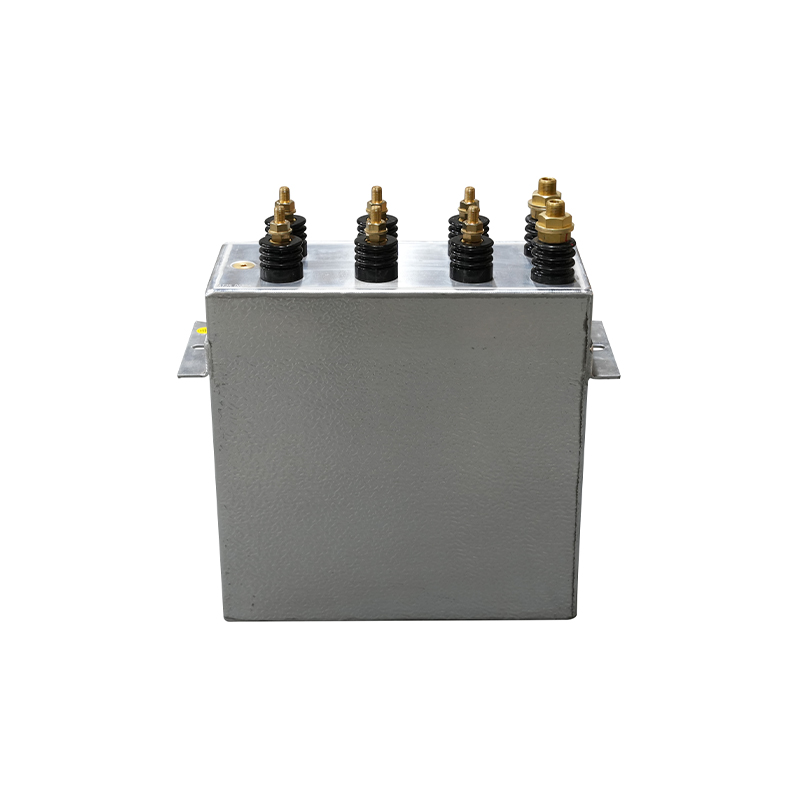
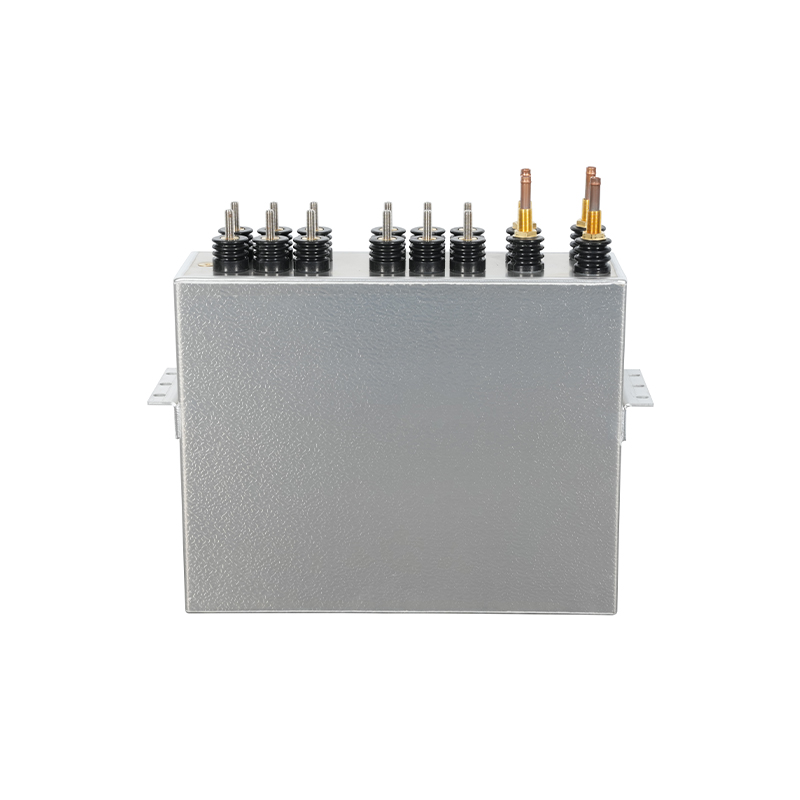
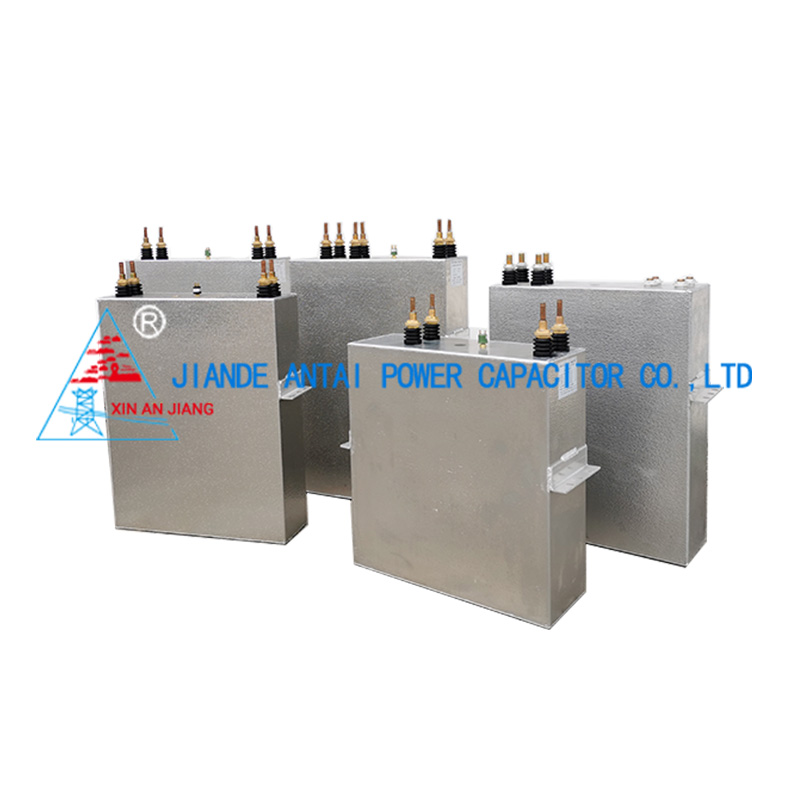
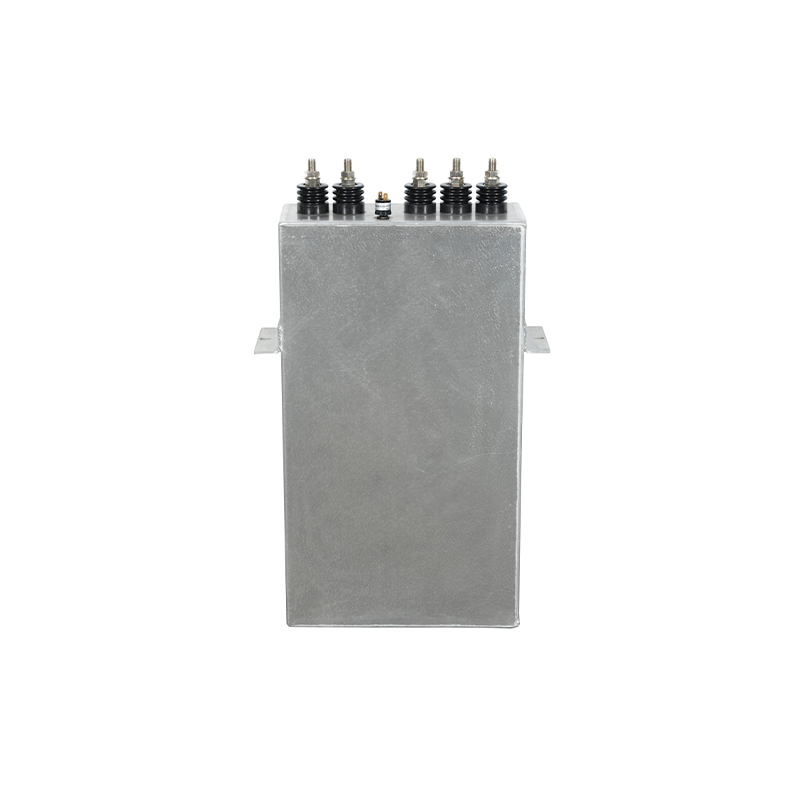
In the domain of electrical power systems, the selection of capacitors is a critical decision that directly influences efficiency, stability, and overall system performance. Among the various types available, the high voltage metalized film cylindrical AC shunt polypropylene film power capacitor stands out as a sophisticated solution for power factor correction and voltage support. This article provides a detailed technical analysis of this essential component, exploring its construction, operational principles, and the advantages it holds over other capacitor technologies.
This comprehensive guide is intended for electrical engineers, power system designers, and procurement specialists who seek to understand the nuances of high-performance capacitor technology. We will delve into the science behind its metalized film construction, the benefits of its cylindrical design, and its critical role in modern AC power networks. Understanding these elements is essential for making an informed sourcing decision that enhances system reliability and efficiency.
The core of this capacitor is its metalized polypropylene film dielectric. Polypropylene is a thermoplastic polymer known for its excellent electrical properties, including low dielectric loss, high insulation resistance, and remarkable stability over a wide temperature range. These characteristics make it an ideal material for high-frequency and high-voltage AC applications. The film's low dissipation factor means it generates minimal heat during operation, contributing to the capacitor's overall efficiency and longevity.
The metalization process involves depositing a thin layer of metal—typically aluminum or zinc—onto the film surface. This metal coating serves as the capacitor's electrode. One of the key advantages of metalized film technology is its self-healing property. In the event of a dielectric breakdown caused by a voltage spike, the intense heat around the fault vaporizes the thin metal layer, effectively isolating the defect and preventing a catastrophic short circuit. This self-healing capability is a significant advantage over other capacitor types, as it drastically improves reliability and service life.
The cylindrical design of the capacitor is another deliberate engineering choice. This geometry offers several benefits. It provides a robust mechanical structure that can withstand the stresses of thermal cycling and electromagnetic forces. Additionally, the cylindrical winding pattern minimizes the inductance of the capacitor, allowing it to perform effectively at higher frequencies. The round shape also facilitates efficient heat dissipation, which is crucial for maintaining performance and extending the component's lifespan in demanding power system environments.
These capacitors are primarily used in AC power systems for two critical functions: power factor correction and voltage support. Power factor is a measure of how effectively electrical power is being used. A low power factor, caused by inductive loads such as motors and transformers, leads to higher current draw and increased power losses. By installing shunt capacitors, the reactive power that causes these inefficiencies is locally supplied, thereby improving the power factor. This reduces the overall current on the line, resulting in lower distribution losses and freeing up system capacity.
Voltage support is equally important. In long transmission lines, voltage drops can occur, especially during periods of high demand. Capacitors, by supplying reactive power, help to stabilize the voltage profile. This ensures that end-users receive power at the correct voltage levels, which is essential for the proper operation of sensitive equipment. The combination of power factor correction and voltage support makes these capacitors indispensable for the efficient and reliable operation of the electrical grid.
To fully appreciate the value of the high voltage metalized film cylindrical AC shunt capacitor, it is useful to compare it against other common capacitor technologies. The choice between a metalized film capacitor, an electrolytic capacitor, or a ceramic capacitor often depends on the specific application requirements.
| Feature | Metalized Film AC Shunt Capacitor | Electrolytic Capacitor | Ceramic Capacitor |
|---|---|---|---|
| Dielectric | Polypropylene film with metalized electrodes | Aluminum oxide with liquid/polymer electrolyte | Ceramic material |
| Self-Healing | Yes, inherent to the metalized film design | No, can fail catastrophically | No |
| Polarity | Non-polarized (AC/DC) | Polarized (DC only) | Non-polarized (AC/DC) |
| Voltage Range | Excellent for high-voltage AC | Limited voltage range | Wide range, but capacitance varies |
| Reliability & Life | High reliability, long service life | Limited lifespan, prone to drying | High reliability, but prone to cracking |
| Best Application | Power factor correction, filtering | Power supply smoothing, DC-DC converters | High-frequency decoupling, filtering |
As the table illustrates, the metalized film capacitor offers a compelling combination of performance and reliability for AC power applications. While electrolytic capacitors are often used in power supplies, their limited lifespan and inability to handle AC make them unsuitable for shunt applications. Ceramic capacitors, while reliable, often have voltage-dependent capacitance that makes them less predictable. The metalized film capacitor excels in its niche, delivering high reliability, self-healing properties, and a long operational life.
The quality of a component like the high voltage metalized film capacitor is measured by several key performance indicators. These metrics provide a quantifiable assessment of its suitability for various applications. The following data highlights the component's core capabilities, underscoring its value in the power industry.
These metrics demonstrate that the capacitor is engineered for longevity and reliability. Its self-healing property and non-polarized design make it uniquely suitable for critical power system applications. This long-term value is a key consideration for both system operators and equipment manufacturers.
The journey from manufacturing a capacitor to its successful integration into a power system is a complex process that requires precision at every stage. Understanding this workflow illustrates the quality control and engineering that goes into creating a premium component. This diagram outlines the step-by-step process, from design to final deployment.
Engineers specify the capacitor's voltage, capacitance, and dimensions. High-grade polypropylene film and metalizing materials are sourced for reliability.
Metalized film is precision-wound into a cylindrical shape. The metalized layers serve as electrodes, forming the capacitor's active element.
The wound core is encapsulated for mechanical and environmental protection. Rigorous electrical testing verifies performance parameters.
This structured process ensures that the final product meets stringent quality standards. For a closer look at these components, you can explore the High Voltage Metalized Film Cylindrical AC Shunt Polypropylene Film Power Capacitor options available from leading manufacturers.
This type of capacitor is highly versatile and used in a wide range of critical applications. Its robust design and high-performance characteristics make it a preferred choice for many areas of electrical engineering.
It is ideally suited for industrial and utility-scale power factor correction banks, where it helps to reduce reactive power and improve grid efficiency. It is also used in high-voltage transmission systems for voltage support and stability. Additionally, these capacitors are essential components in various power electronics applications, such as filtering in variable frequency drives. Their ability to handle high voltage and current with low losses makes them a cornerstone of modern AC power systems.
The versatility of this capacitor is a testament to its quality. Its ability to adapt to different environments, from a noisy industrial plant to a regulated utility substation, highlights its practicality and makes it a trusted component for power system engineers.
Investing in a high-quality capacitor also means investing in the longevity of the system. The robust construction of these capacitors contributes to their ease of maintenance and long service life. Unlike electrolytic capacitors, which have a limited lifespan due to electrolyte drying, metalized film capacitors have a significantly longer operational life, often exceeding 30 years.
To ensure its long-term performance, routine inspection is recommended. This includes checking for signs of overheating, swelling, or oil leakage (if oil-filled). Regular monitoring of capacitance values can also help detect any gradual degradation. However, due to the self-healing nature of the metalized film, many minor breakdowns are automatically corrected, reducing the need for immediate replacement. This straightforward maintenance, combined with the component's robust engineering, ensures that the capacitor remains a reliable part of the power system for many years.
The High Voltage Metalized Film Cylindrical AC Shunt Polypropylene Film Power Capacitor is a meticulously engineered component that exemplifies the best of modern electrical technology. Its blend of advanced materials, robust design, and self-healing properties offers an exceptional balance of performance and reliability. The capacitor's design, defined by its stable polypropylene dielectric and cylindrical construction, provides a sophisticated foundation for enhancing power system efficiency and stability. Whether for industrial power factor correction or utility voltage support, this capacitor represents a leading choice for engineers and professionals seeking quality and long-term performance.
Contact Us
News center
Jul - 2026 - 20
information
Tel: +86-571-64742598
Fax: +86-571-64742376
Add: Zhangjia Industrial Park, Genglou Street, Jiande City, Zhejiang Province, China