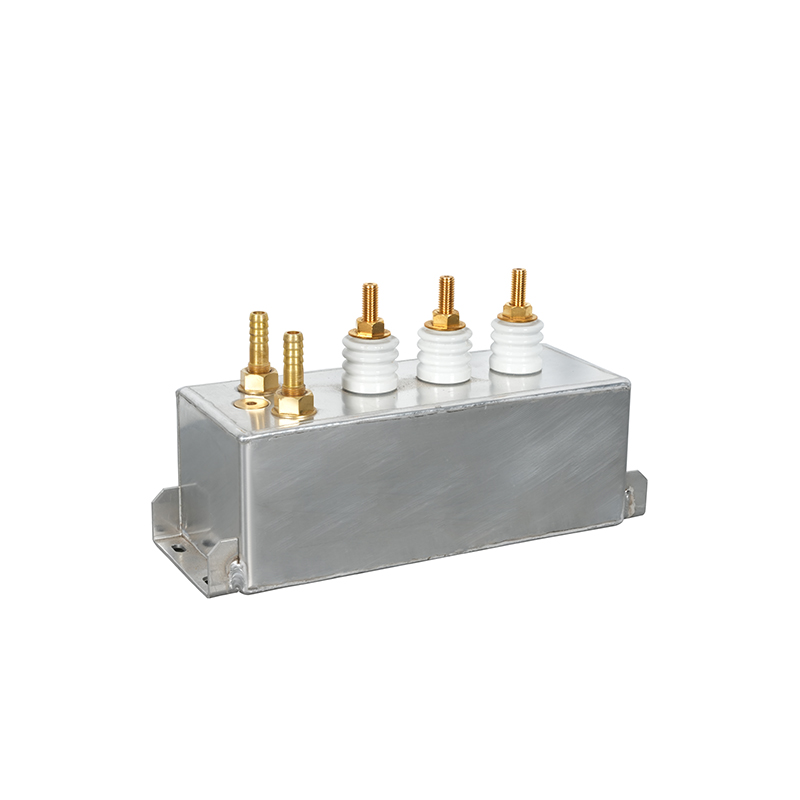
Content
In the domain of electrical power systems and industrial automation, the selection of appropriate protection and compensation components is a critical decision that directly influences system reliability, efficiency, and operational safety. For electrical engineers, system designers, and maintenance professionals, understanding the nuances of advanced capacitor technologies is essential for designing robust and efficient power networks. Among the various options available, the Self-Heating Shunt Capacitor stands out as an innovative solution designed to address the unique challenges of low-voltage parallel compensation and protection. This article provides a detailed analysis of this essential component, exploring its design, benefits, and the science behind its self-heating protection mechanism.
This comprehensive guide is intended for anyone responsible for the design, operation, or maintenance of power systems, from electrical engineers and system integrators to facility managers and maintenance technicians. We will delve into the core advantages of self-heating shunt capacitors, compare them with other common protection and compensation solutions, and explain why specific features like self-heating protection, low-voltage parallel configuration, and reliability are so important. Understanding these elements is key to making an informed purchasing decision that enhances the performance and safety of electrical systems.
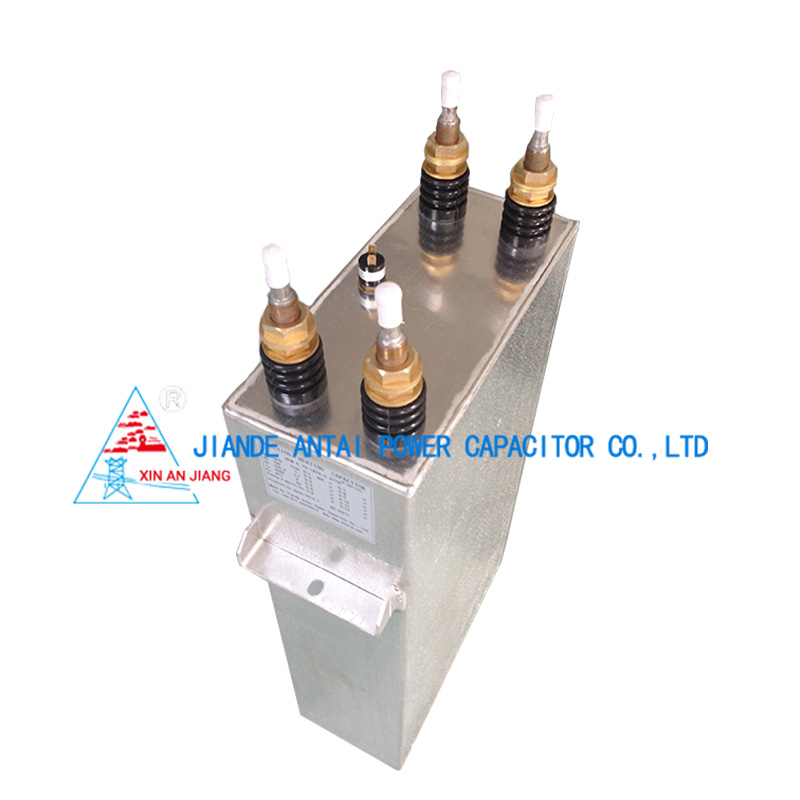
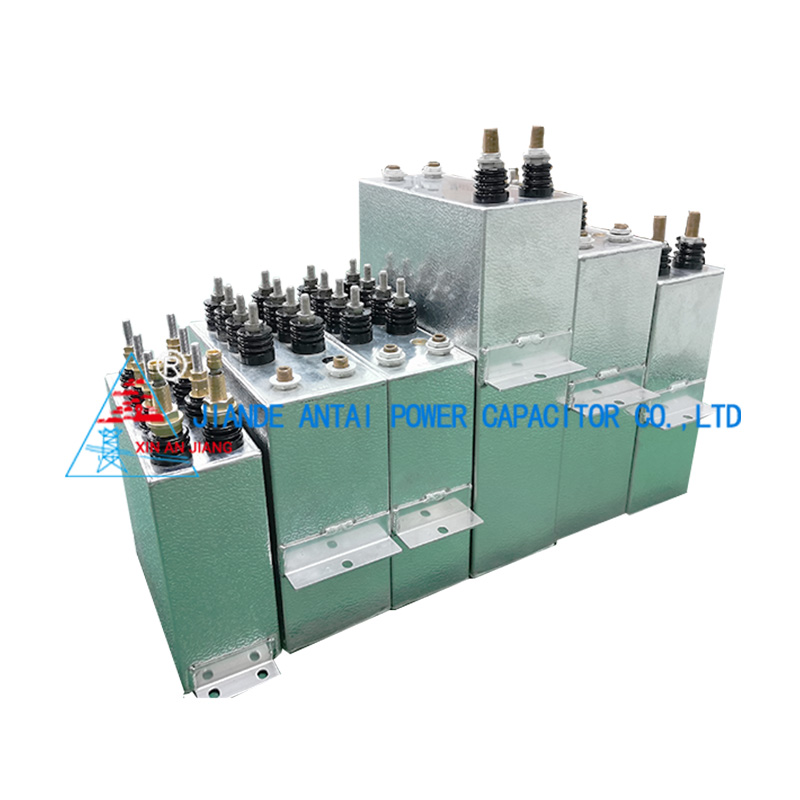
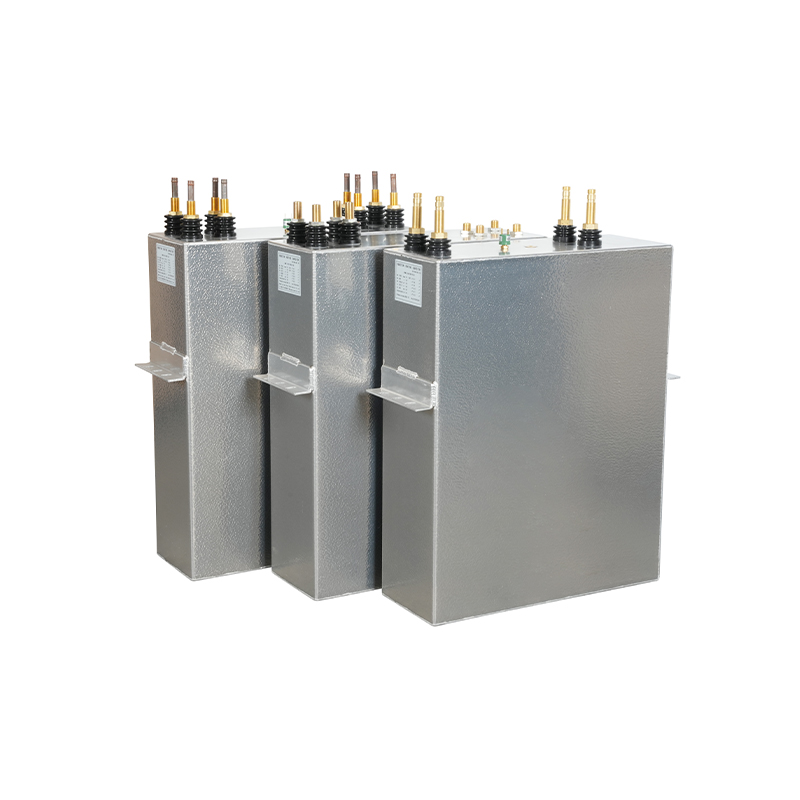
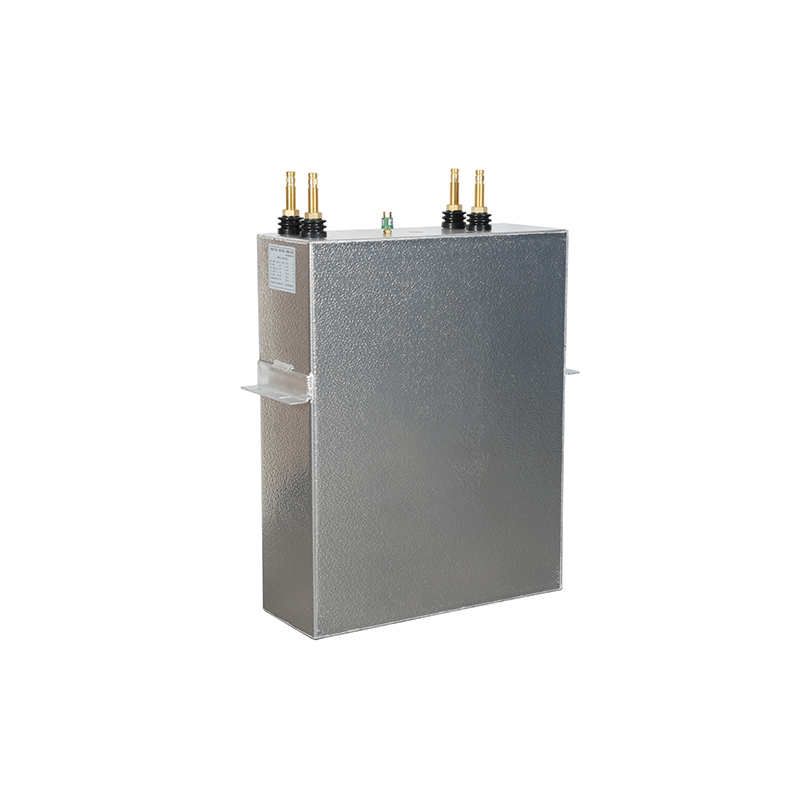
High-quality self-heating shunt capacitors are engineered to provide a combination of protection, compensation, and reliability. These products are typically constructed with advanced dielectric materials and self-healing properties, designed to withstand the rigors of industrial electrical systems and provide consistent performance over a long service life. The primary purpose of a self-heating shunt capacitor is to provide power factor correction and voltage support while protecting the system from the effects of harmonics, transients, and overloads. The self-heating protection mechanism is a key feature that sets these capacitors apart from conventional designs.
Beyond basic compensation and protection, modern self-heating shunt capacitors are focused on several key performance features. One of the most critical is the self-heating protection mechanism itself. This technology allows the capacitor to automatically respond to internal temperature increases caused by overvoltage, harmonic distortion, or other abnormal operating conditions. By sensing temperature changes, the capacitor can trigger protective actions or adjust its internal state to prevent catastrophic failure. This self-protecting capability significantly enhances the reliability of the power system and reduces the risk of unplanned downtime.
Another key feature is the low-voltage parallel configuration. This design allows the capacitor to be easily integrated into existing low-voltage distribution systems, providing localized power factor correction and voltage support. The parallel configuration also offers redundancy, as multiple units can be connected to provide the required capacitance. This modularity simplifies system design and maintenance, allowing for scalable solutions that can adapt to changing load conditions.
To fully appreciate the value of a self-heating shunt capacitor, it is useful to compare it against other common protection and compensation solutions. The choice between a self-heating shunt capacitor, a standard shunt capacitor, a series reactor, or a harmonic filter often comes down to the specific needs of the power system, the nature of the load, and the desired level of protection.
| Feature | Self-Heating Shunt Capacitor | Standard Shunt Capacitor | Series Reactor | Harmonic Filter |
|---|---|---|---|---|
| Self-Heating Protection | Excellent; automatic temperature-based protection | Limited; external protection required | Moderate; overload protection | Good; harmonic protection |
| Power Factor Correction | Excellent; provides localized compensation | Excellent; provides localized compensation | Poor; does not correct power factor | Good; provides compensation |
| Harmonic Filtering | Moderate; some harmonic absorption | Poor; can amplify harmonics | Good; series reactor reduces harmonics | Excellent; designed for harmonics |
| Reliability | Excellent; self-protecting design | Good; requires external monitoring | Good; reliable but limited function | Good; complex design |
| Cost Effectiveness | Good; integrated protection reduces costs | Good; lower initial cost | Moderate; additional equipment required | Higher; complex design |
| Maintenance | Low; self-monitoring capability | Moderate; requires regular testing | Low; simple design | Moderate to High |
| Best Application | Industrial power systems, variable loads | Stable loads, general compensation | Motor circuits, harmonic reduction | Heavy harmonic environments |
As the table illustrates, the self-heating shunt capacitor offers a compelling combination of features that make it a superior choice for modern industrial power systems. While a standard shunt capacitor provides effective power factor correction, it lacks the integrated self-heating protection and harmonic handling capabilities. A series reactor can reduce harmonics but does not provide power factor correction. A harmonic filter is excellent for heavy harmonic environments but is more complex and costly. The self-heating shunt capacitor strikes a balance, delivering compensation, protection, and reliability in a single integrated solution.
The quality of a product like a self-heating shunt capacitor is measured by several key performance indicators. These metrics provide a quantifiable assessment of its suitability for various applications. The following data highlights the product's core capabilities, underscoring its value in the power industry.
These metrics demonstrate that the capacitor is engineered for professional-level performance and reliability. The self-heating protection offers integrated safety, while the low-voltage parallel configuration ensures ease of integration. The shunt design provides effective compensation. This combination of features provides long-term value for both industrial operators and system integrators.
The journey from selecting a self-heating shunt capacitor to integrating it into a power system is a straightforward process that maximizes the benefits for the electrical infrastructure. Understanding the steps involved ensures optimal use and longevity of the product. This diagram outlines the step-by-step process, from system analysis to ongoing monitoring.
Analyze the power system to determine the required capacitance and protection needs. Consider load characteristics, harmonic levels, and temperature conditions.
Install the capacitor in parallel with the load. Ensure proper connection, grounding, and ventilation for the self-heating protection system.
Monitor the capacitor's performance and temperature regularly. The self-heating system will provide early warning of potential issues, allowing for proactive maintenance.
This structured process, when followed by professionals, ensures that the capacitor provides optimal protection and compensation for the power system.
A self-heating shunt capacitor is a versatile product that lends itself to a wide range of industrial and commercial power system applications. Its robust design and integrated protection features make it a preferred choice for many different scenarios. Its thoughtful construction and self-monitoring capabilities make it a preferred choice for a variety of uses.
It is ideally suited for industrial power systems with variable loads, where power factor correction and protection are essential for efficient operation. For facilities with significant harmonic distortion, the capacitor's self-heating protection provides an added layer of security. Commercial buildings with large HVAC and motor loads benefit from the localized compensation and voltage support. Data centers and critical infrastructure facilities can rely on its reliability for continuous operation. The capacitor's self-heating feature is particularly valuable in environments where temperature fluctuations are common.
The versatility of this capacitor is a testament to its quality. Its ability to adapt to different power system environments and needs highlights its practicality and makes it a favorite among electrical engineers.
Investing in a high-quality self-heating shunt capacitor also means investing in the longevity of the power system. The advanced dielectric materials and self-healing properties are key factors in its long service life. To maintain its performance, simple routine monitoring is recommended. The self-heating system provides continuous temperature monitoring, alerting operators to any abnormal conditions. Regular inspection for signs of wear, such as bulging or discoloration, will ensure that the capacitor continues to provide adequate protection and compensation.
This straightforward maintenance schedule, combined with the product's robust construction, ensures that it remains a reliable component in the power system for many years. The integrated self-heating protection significantly reduces the risk of catastrophic failure and the associated downtime.
The self-heating shunt capacitor is a meticulously designed product that exemplifies the best of modern power system technology. Its blend of compensation, protection, and reliability offers an exceptional balance of functionality and safety. The product's design, defined by its self-heating protection mechanism and low-voltage parallel configuration, provides a sophisticated foundation for enhancing power system performance and safety. Whether for industrial power systems, commercial buildings, or critical infrastructure, this capacitor represents a leading choice for discerning engineers and professionals seeking quality and performance.
Contact Us
News center
Jul - 2026 - 27
information
Tel: +86-571-64742598
Fax: +86-571-64742376
Add: Zhangjia Industrial Park, Genglou Street, Jiande City, Zhejiang Province, China