 English
 русский
 Deutsch

News
Home / News / Industry News / Comprehensive Guide to Water Cooled Capacitors: Technology, Applications, and Selection
Content
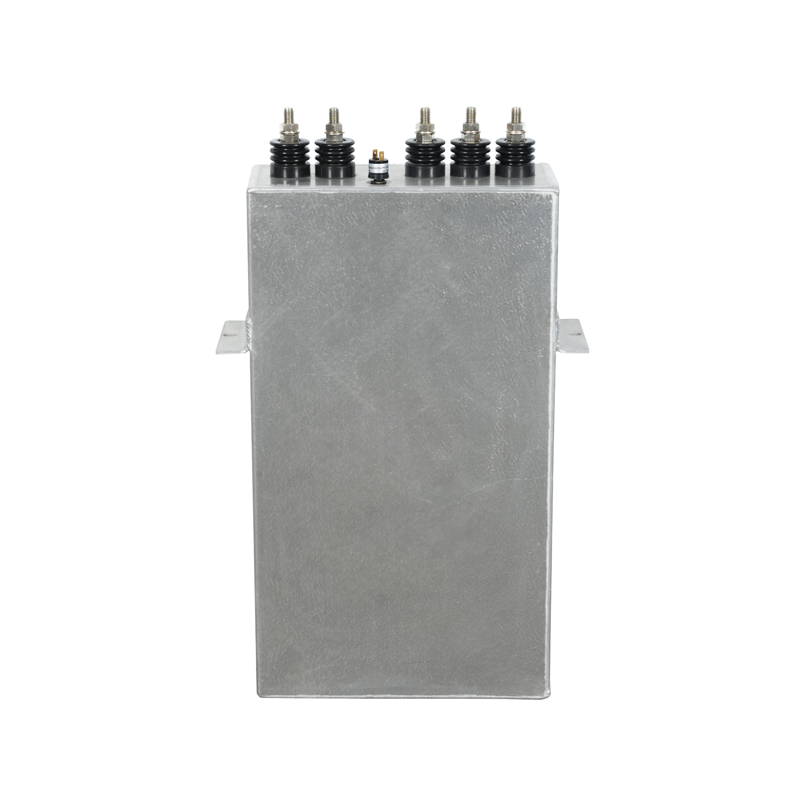
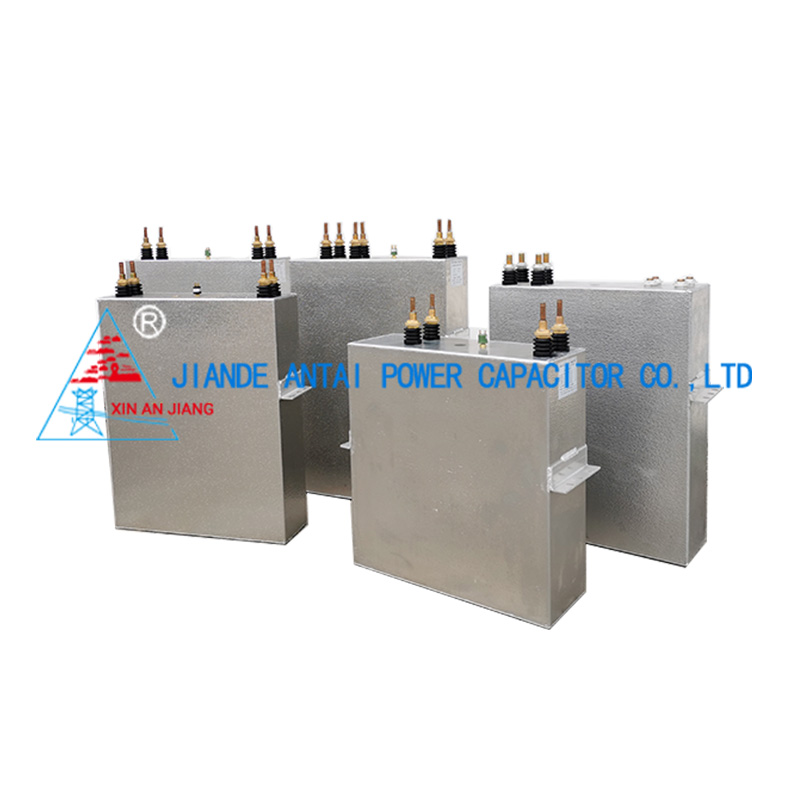
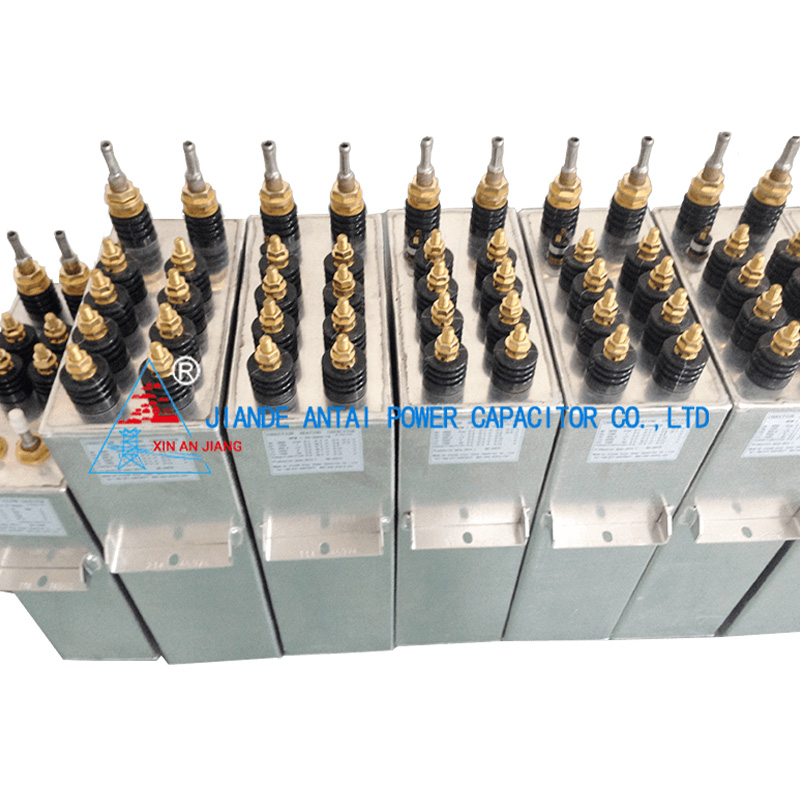
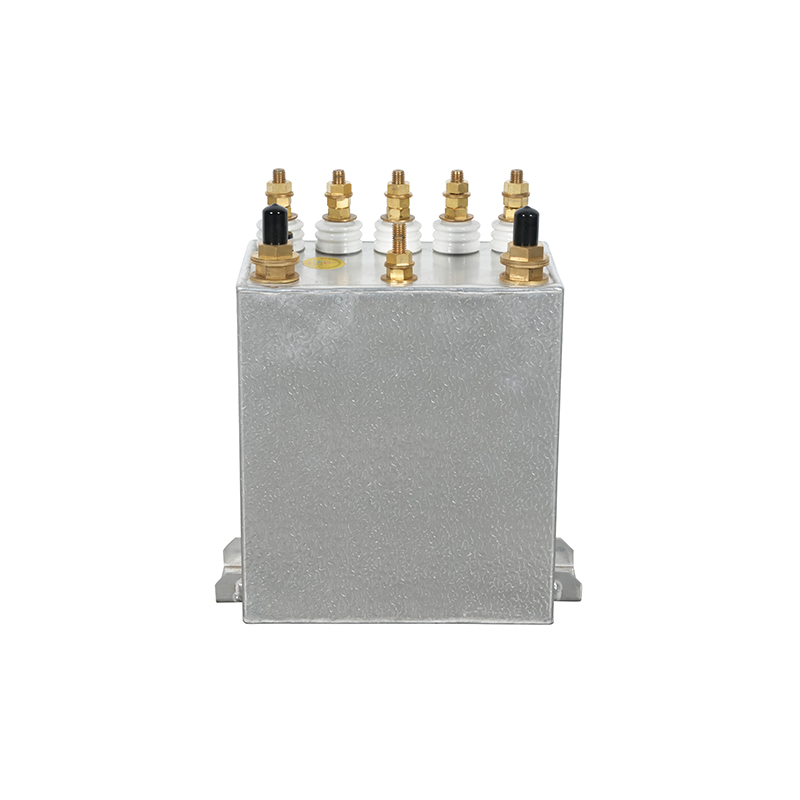
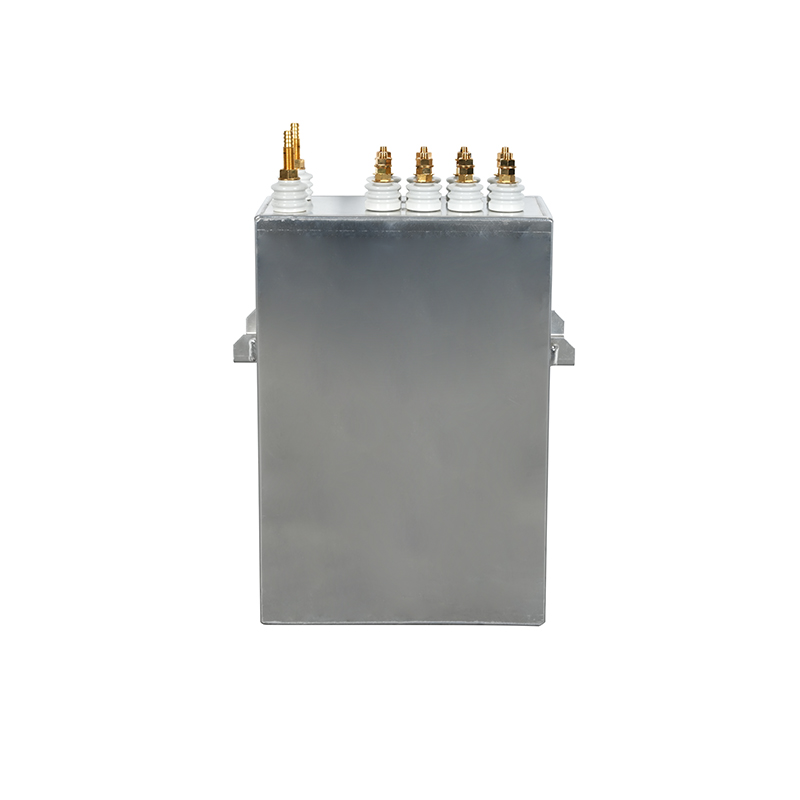
Water cooled capacitors represent a critical advancement in high-power electronic and industrial systems where heat dissipation is a paramount concern. Unlike their air-cooled counterparts, these specialized components utilize a liquid cooling medium, typically water or a water-glycol mixture, to directly remove thermal energy from the capacitor's core. This efficient heat transfer mechanism allows for significantly higher current handling, improved reliability, and extended operational lifespan in demanding environments. The core principle involves integrating a cooling jacket or channels into the capacitor's housing, through which coolant circulates, absorbing heat generated by internal losses (primarily ESR - Equivalent Series Resistance) and carrying it away from the component. This direct cooling method is vastly more efficient than convective air cooling, enabling designers to achieve greater power density in systems such as induction heaters, high-power laser sources, and large motor drives. For over four decades, manufacturers like Jiande Antai Power Capacitor Co., Ltd. have refined this technology, leveraging a 10,000-square-meter factory equipped with advanced, customized machinery and imported raw materials to produce capacitors that meet rigorous international standards.
The architecture of a water cooled capacitor is meticulously engineered for optimal thermal and electrical performance. Internally, it consists of metalized polypropylene film or similar dielectric materials wound into elements, which are then housed within a metallic casing—often aluminum or stainless steel. This casing is not merely a container; it is machined to include an integral water path. The coolant flows in close proximity to the capacitor element, ensuring minimal thermal resistance. The design must balance electrical insulation, thermal conductivity, and mechanical integrity. Sealing technology is crucial to prevent any leakage of coolant into the electrical section and vice-versa. The skilled R&D team at Jiande Antai Power Capacitor Co., Ltd. focuses on such intricate design details, ensuring that every water cooled capacitor for high frequency induction heating they produce offers exceptional performance. The working mechanism is a continuous cycle: as the capacitor operates, dielectric and resistive losses produce heat. This heat is conducted to the casing and immediately transferred to the flowing coolant, maintaining the internal temperature within a safe operating window, which is vital for preventing premature aging and dielectric breakdown.
The shift from air-cooled to water-cooled capacitors brings forth a suite of compelling benefits, particularly in high-power applications. The most pronounced advantage is the dramatic improvement in heat dissipation capacity. Water has a heat transfer coefficient orders of magnitude higher than air, allowing it to remove thermal energy much more rapidly. This leads directly to several operational benefits.
The table below provides a direct comparison of key characteristics:
| Feature | Water Cooled Capacitor | Air Cooled Capacitor |
|---|---|---|
| Heat Transfer Efficiency | Extremely High | Moderate to Low |
| Power Density | Very High | Limited |
| Lifespan at High Load | Substantially Longer | Shorter due to thermal stress |
| Noise Generation | Very Low (pump noise only) | Potentially High (if fans used) |
| System Complexity | Requires plumbing and coolant | Simple, plug-and-play |
| Ambient Temperature Sensitivity | Very Low | High |
The unique capabilities of water cooled capacitors make them indispensable in several heavy-duty industrial and technological sectors. Their ability to manage intense thermal loads underpins the reliability of critical equipment.
This is one of the most prominent applications. Induction furnaces and heaters operate at high frequencies (from mid kHz to several hundred kHz) and very high power levels, often in the megawatt range. The tank capacitors in these resonant circuits experience enormous ripple currents. A long lifespan water cooled power capacitor is not just an accessory but a core component for uninterrupted production. In a melting furnace, for instance, a capacitor failure can lead to a complete shutdown, solidifying metal inside the crucible and causing massive losses. Manufacturers like Jiande Antai Power Capacitor Co., Ltd., with 40 years of specialization in induction heating and melting capacitors, design their products specifically for this harsh duty cycle. Their capacitors, built with imported raw materials and ISO9001/CE certified processes, ensure the high current capability and thermal resilience needed for 24/7 melting operations, contributing directly to the profitability of foundries and forging plants.
Radio frequency (RF) generators for plasma generation, broadcasting, and semiconductor processing, as well as industrial lasers for cutting and welding, rely on stable, high-quality capacitor banks in their power supplies and matching networks. These systems demand capacitors with low inductance and the ability to handle high-frequency, high-amplitude currents. Water cooling allows these capacitors to be packaged densely within the RF head or laser cavity, removing heat efficiently from confined spaces. The stability afforded by effective cooling is critical for maintaining the precise frequency and power output required for consistent process quality, making the choice of a reliable capacitor supplier paramount.
In applications involving rapid discharge of large amounts of energy—such as pulsed magnetic fields, particle accelerators, or certain military systems—capacitors are subjected to extreme stress. The water cooled capacitor for high current applications is engineered to withstand the immense *I²R* heating generated during these pulses. The cooling system quickly stabilizes the temperature between pulses, preventing runaway thermal buildup and ensuring consistent pulse shape and energy delivery. This capability is essential for research and industrial processes where pulse-to-pulse reproducibility is critical.
Choosing the right water cooled capacitor is a systems engineering decision that impacts overall performance, safety, and total cost of ownership. It goes beyond simply matching capacitance and voltage ratings.
The foundational step is to define the electrical operating parameters under actual conditions. This includes not only the nominal voltage and capacitance but also the RMS current, peak current, and frequency of operation. The capacitor must be rated for these conditions with a sufficient safety margin. Thermally, one must calculate the total power loss (based on ESR at the operating frequency) and ensure the capacitor's cooling capacity, often specified as thermal resistance (°C/W) or a maximum heat dissipation in watts, can handle this load with the available coolant flow rate and inlet temperature. For example, selecting a water cooled capacitor for induction furnace requires detailed knowledge of the inverter's output current, frequency, and the required Q-factor of the resonant circuit. Jiande Antai Power Capacitor Co., Ltd.'s experienced engineering team often collaborates with customers on these calculations, using their four decades of application knowledge to recommend the optimal capacitor that offers both exceptional performance and competitive pricing.
The capacitor is only as effective as the cooling system it is connected to. Key integration considerations include:
Proactive maintenance is the key to achieving the promised long lifespan water cooled power capacitor. While these components are designed for durability, their interaction with the cooling system creates specific maintenance needs.
A disciplined maintenance schedule prevents common failure modes. This involves regular inspection and service of both the capacitor and its cooling subsystem.
Adhering to these practices ensures that a water cooled capacitor for high frequency induction heating maintains its performance over many years, maximizing return on investment.
Understanding potential problems aids in quick diagnosis and remediation. Most failures are thermally related or stem from cooling system issues.
The evolution of water cooled capacitor technology is driven by the demands for higher efficiency, greater reliability, and smarter systems.
Research continues into advanced dielectric materials with lower loss tangents, which directly reduce heat generation at the source. Improved metallization techniques enhance self-healing properties and current-carrying capacity. On the design front, computational fluid dynamics (CFD) is used to optimize internal cooling channel geometry for uniform heat extraction and minimal pressure drop. Additive manufacturing (3D printing) may eventually allow for more complex, topology-optimized cooling structures that are impossible to create with traditional machining. Companies at the forefront, like Jiande Antai Power Capacitor Co., Ltd., invest in such R&D to continuously improve product quality, ensuring their water cooled capacitor for high current applications remains at the cutting edge of what's possible.
The next frontier is the "smart" capacitor. Embedding sensors for direct temperature measurement (not just coolant temperature), vibration, and even acoustic emission within the capacitor housing can provide real-time health data. This data can be fed into plant-wide monitoring systems, enabling predictive maintenance algorithms to forecast remaining useful life and schedule replacements before a failure occurs. This transition from preventative to predictive maintenance minimizes unplanned downtime and optimizes spare parts inventory, representing a significant operational advantage for users of heavy equipment like water cooled capacitor for induction furnace systems. The commitment to expert support and customer solutions, as demonstrated by established manufacturers, will extend into providing these advanced digital services alongside their high-quality hardware.
The theoretical advantages of water cooled capacitors are only realized through precision engineering and stringent manufacturing control. The difference between a component that lasts for years and one that fails prematurely often lies in the details of production. A professional manufacturer with deep experience, such as Jiande Antai Power Capacitor Co., Ltd., brings essential value to the market. Their 40-year focus on induction heating and melting capacitors has cultivated a profound understanding of the extreme conditions these components face. This expertise informs every step, from selecting the right imported raw materials to designing robust internal structures and implementing flawless sealing technologies. A factory spanning over 10,000 square meters, equipped with advanced, customized machinery, allows for consistent, high-volume production without compromising on quality. The presence of a skilled R&D team ensures continuous product evolution to meet emerging application challenges, while experienced production staff guarantees that every unit meets design specifications. The company's ISO9001 and CE certifications provide independent verification of a quality management system and safety compliance, giving customers confidence in the product's international standard adherence. Ultimately, when selecting a water cooled capacitor for high frequency induction heating or any other demanding application, partnering with a manufacturer dedicated to quality, innovation, and customer support is a strategic decision that underpins the reliability and success of the end-user's operational technology.
Contact Us
News center
information
Tel: +86-571-64742598
Fax: +86-571-64742376
Add: Zhangjia Industrial Park, Genglou Street, Jiande City, Zhejiang Province, China
mobile