 English
 русский
 Deutsch

News
Home / News / Industry News / The Complete Guide to DC Film Capacitors: Technology, Selection, and Applications
Content
In the intricate world of power electronics, the stability and efficiency of a system often hinge on its most fundamental components. Among these, the DC film capacitor stands as a cornerstone for filtering, energy storage, and snubbing applications. This comprehensive guide delves into the technology behind DC film capacitors, their critical selection parameters, and their diverse industrial uses, providing engineers and procurement specialists with the depth of knowledge needed to make informed decisions.
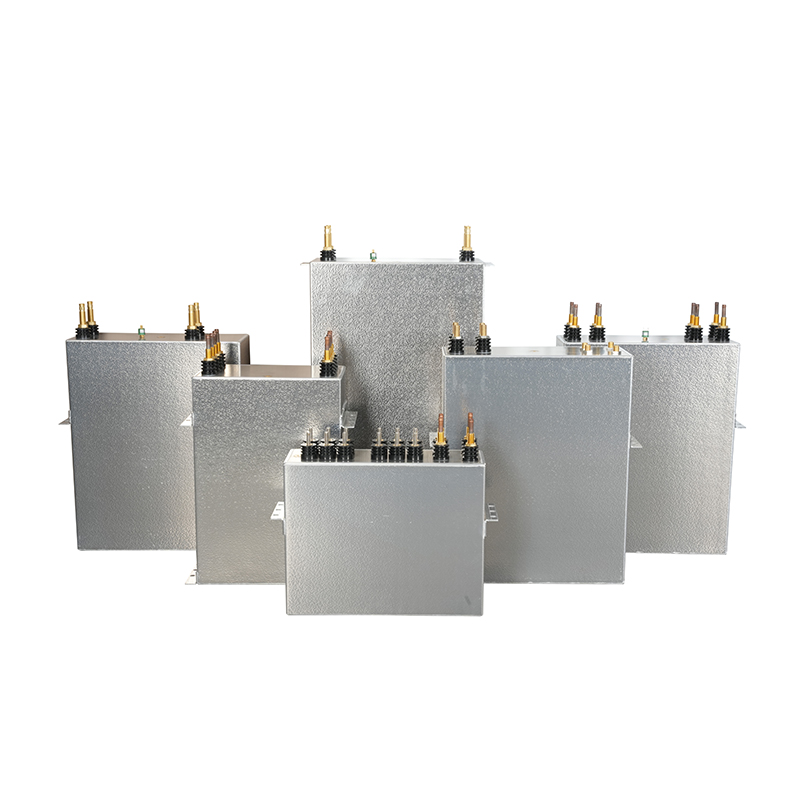
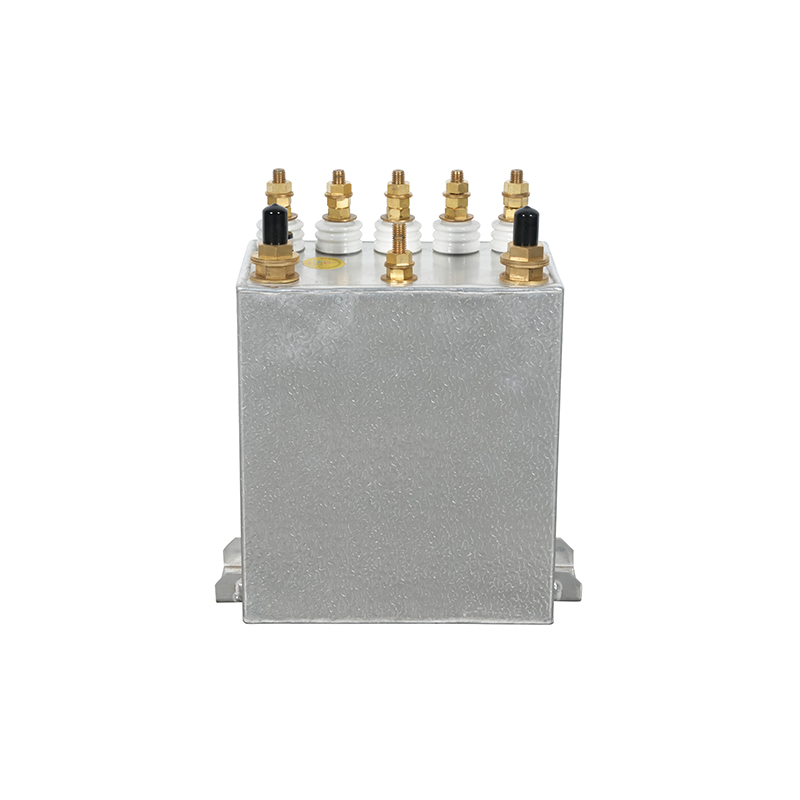
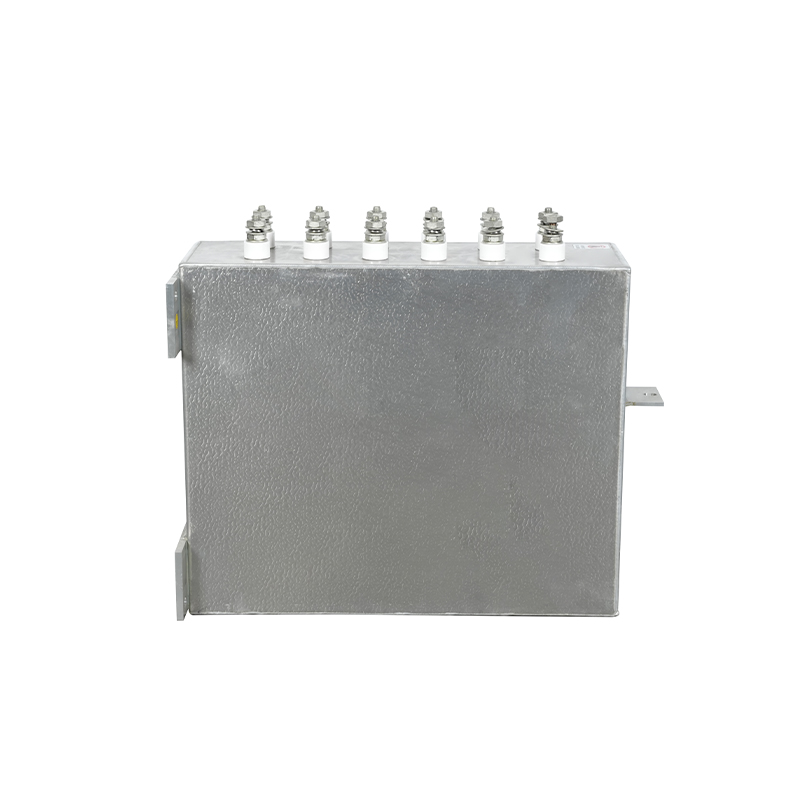
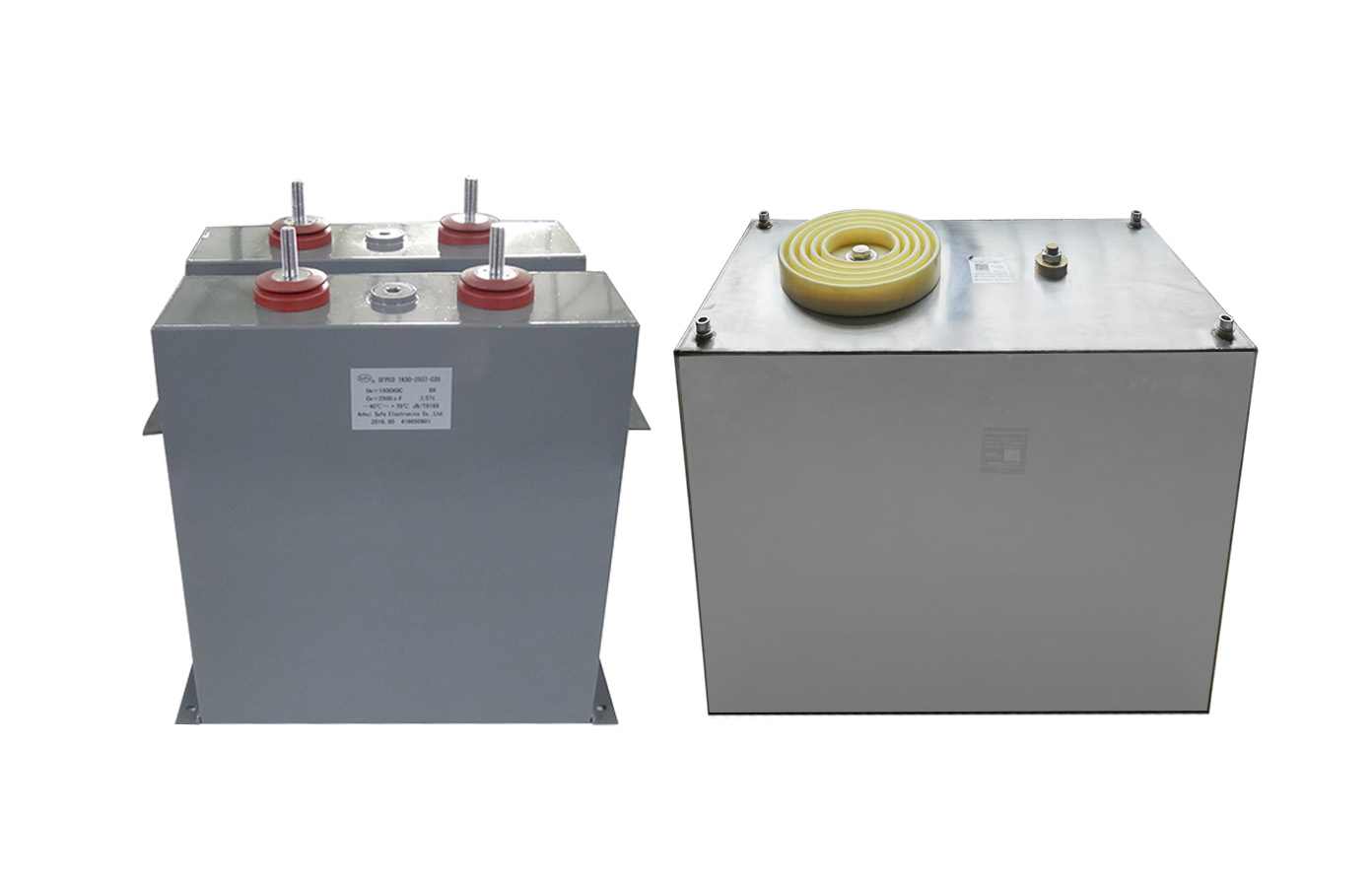
A DC film capacitor is a passive electronic component specifically designed to operate with direct current (DC). It utilizes a thin plastic film as the dielectric material, which is metallized to form the electrodes and then wound into a cylindrical element. This construction offers a unique combination of high insulation resistance, low dielectric absorption, excellent self-healing properties, and long operational life. Unlike electrolytic capacitors, film capacitors are non-polarized, making them more robust against voltage reversal and suitable for handling ripple currents in DC links.
The evolution of film materials and manufacturing techniques has significantly enhanced the performance profile of these components.
Their reliable performance makes them indispensable across multiple sectors. Common applications include DC link capacitors for inverters, which are essential for smoothing the rectified voltage in motor drives and UPS systems. They are also crucial as DC filter capacitors for power supplies, where they suppress electromagnetic interference (EMI). In renewable energy, they serve as solar inverter DC capacitors, handling the fluctuating DC output from photovoltaic panels. For high-power equipment, high voltage DC film capacitors are used in X-ray machines, laser power supplies, and pulse forming networks. Furthermore, their use as snubber capacitors for IGBT protection helps suppress voltage spikes and protect sensitive semiconductor switches [1].
Choosing the optimal capacitor requires balancing several key parameters against the application's demands.
The choice of dielectric film profoundly impacts performance. Polypropylene (PP) is often preferred for DC filter capacitors for power supplies due to its very low losses and high insulation resistance. In contrast, Polyethylene Naphthalate (PEN) offers better temperature stability, making it suitable for harsher environments. Polyethylene Terephthalate (PET) provides a good balance of performance and cost for general-purpose applications.
| Dielectric Material | Key Advantages | Typical Application Focus |
|---|---|---|
| Polypropylene (PP) | Very low dissipation factor, high insulation resistance, excellent self-healing | High-frequency, high-ripple current circuits (e.g., inverter DC links) |
| Polyethylene Naphthalate (PEN) | High temperature rating (up to 150°C), good stability | High-temperature environments, automotive electronics |
| Polyethylene Terephthalate (PET) | Good volumetric efficiency, cost-effective | General-purpose DC filtering, consumer electronics |
Even with robust components, improper application can lead to premature failure.
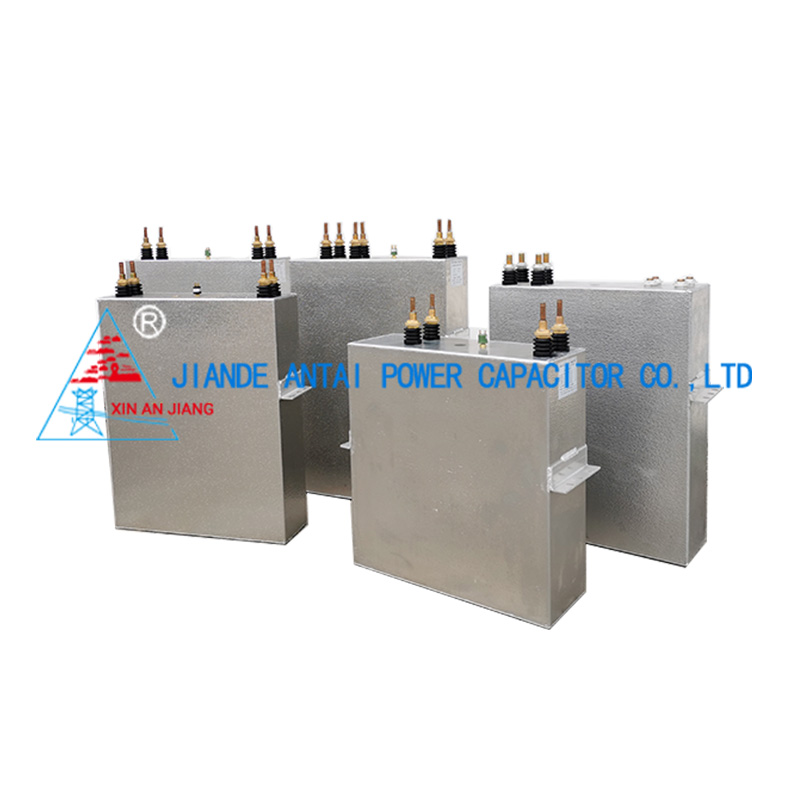
With four decades of specialization in power capacitor manufacturing, Jiande Antai Power Capacitor Co., Ltd. embodies the precision and reliability required for modern industrial components. Our 10,000-square-meter factory, equipped with advanced custom machinery, allows for stringent control over the production of our DC film capacitor range. We utilize imported raw materials and our skilled R&D team focuses on optimizing parameters such as dielectric uniformity and electrode metallization to enhance performance and longevity. This dedication is evident in our product lines, which include induction heating & melting capacitors, DC filter capacitors, and high voltage DC film capacitors, all backed by ISO9001 and CE certification. Our deep understanding of applications like DC link capacitors for inverters and solar inverter DC capacitors enables us to provide not just components, but reliable solutions that drive business success for our global clientele.
While structurally similar, they are optimized for different duties. DC film capacitors are designed to withstand a constant voltage stress and handle superimposed ripple current. AC capacitors, used in motor run or power factor correction, are built to endure continuous reversal of polarity at line frequency (50/60 Hz) and have different safety certifications.
Generally, no. Applying an AC voltage across a capacitor rated only for DC can lead to rapid overheating and failure due to excessive dielectric losses. Always use a capacitor specifically rated for the type of voltage (AC or DC) in the circuit.
When a weak spot in the dielectric breaks down, the high current density at the fault point vaporizes the thin metallized electrode surrounding it. This isolates the fault, restoring insulation, and causing only a minimal, negligible loss of capacitance [2].
In inverter applications, the DC link capacitor is subjected to significant high-frequency charging/discharging currents from the switching IGBTs. A capacitor with an insufficient ripple current rating will overheat internally, leading to accelerated aging, increased ESR, and potential catastrophic failure.
Visible signs include bulging of the case or venting. Electrically, an increase in equivalent series resistance (ESR), a decrease in actual capacitance from its nominal value, or an increase in leakage current are key indicators of degradation.
[1] J. W. Galloway, "Power Electronic Capacitor Handbook," Elsevier, 1995, pp. 112-145.
[2] A. G. Milnes, "Metallized Film Capacitors: Self-Healing Mechanism and Life Modeling," IEEE Transactions on Dielectrics and Electrical Insulation, vol. 8, no. 4, pp. 654-662, Aug. 2001.
Contact Us
News center
information
Tel: +86-571-64742598
Fax: +86-571-64742376
Add: Zhangjia Industrial Park, Genglou Street, Jiande City, Zhejiang Province, China
mobile