Content
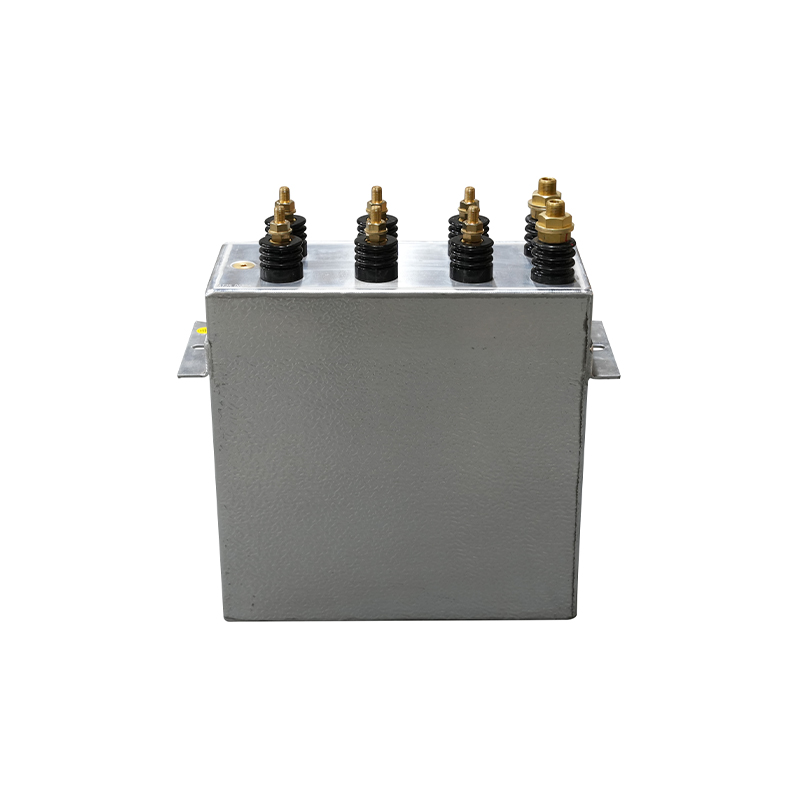
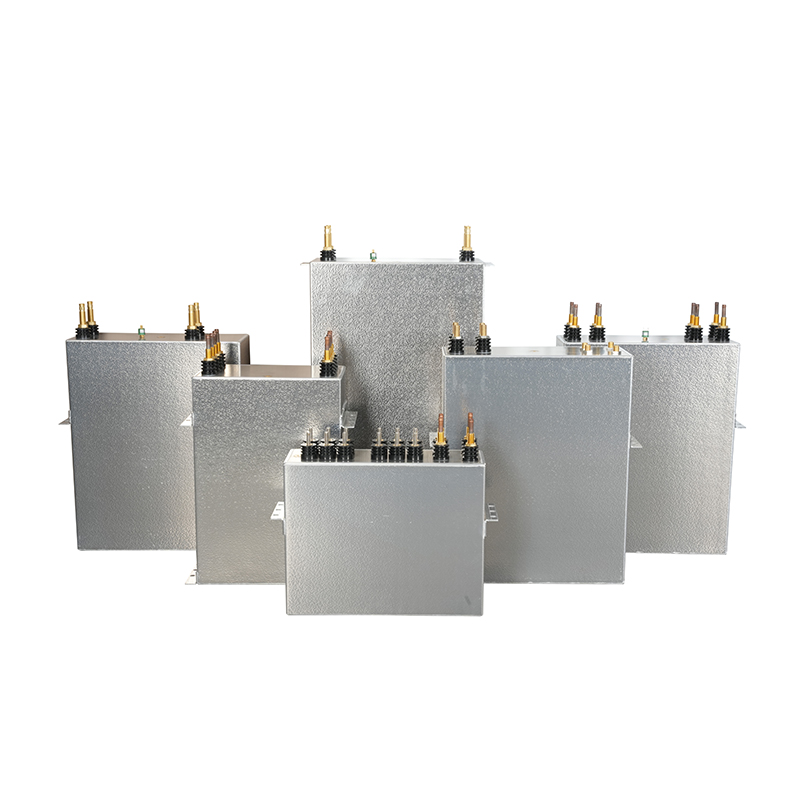
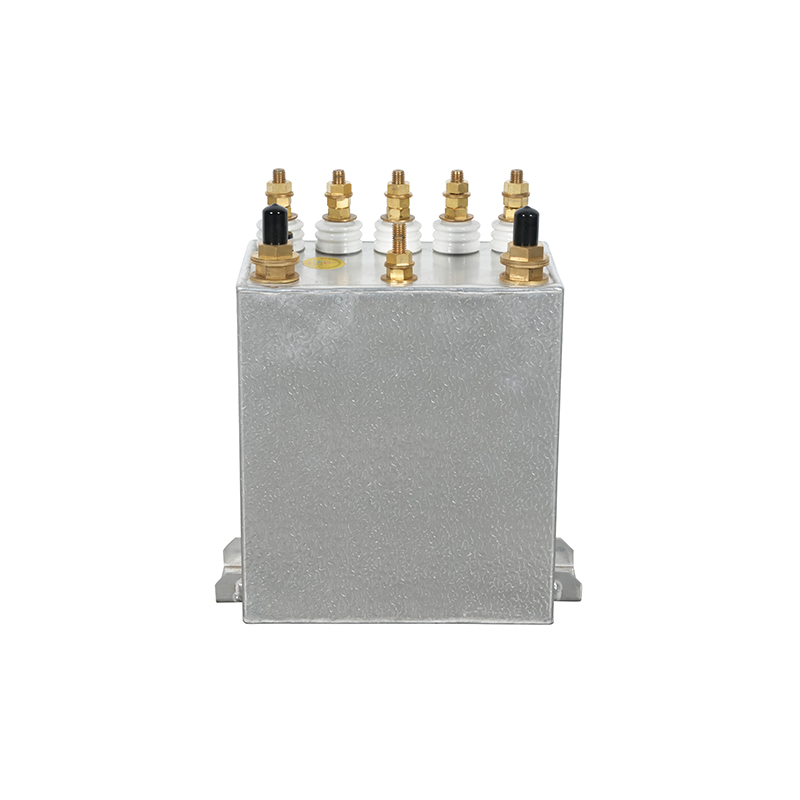
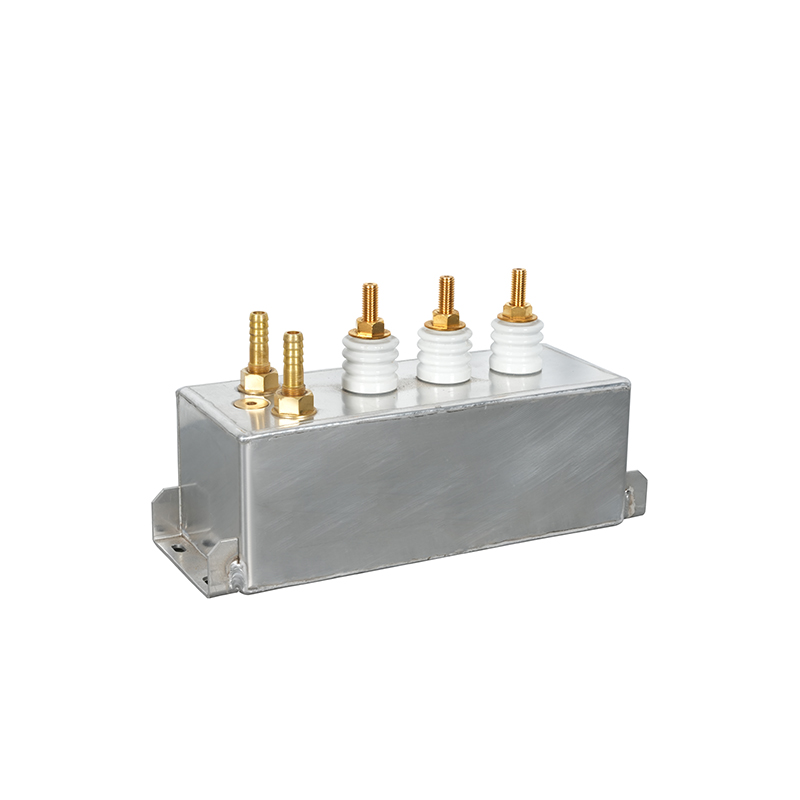
A High Voltage Shunt Capacitor is an essential component in electrical power systems, providing reactive power compensation, voltage stabilization, and improved efficiency. These capacitors are widely used in industrial, utility, and commercial applications to reduce energy losses and maintain power quality.
Engineers select High Voltage Shunt Capacitor to optimize system performance, enhance stability, and extend the operational life of electrical networks.
The high voltage shunt capacitor design guide emphasizes that standard capacitors are typically used for moderate voltage levels and general-purpose applications. They are designed for reliability and efficiency in routine electrical networks.
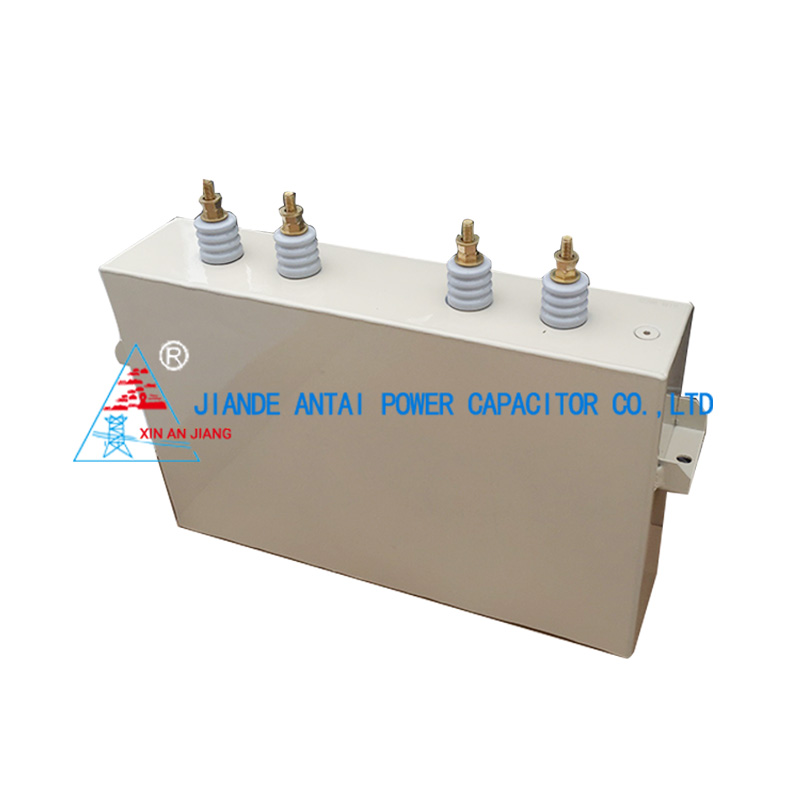
Industrial high-voltage shunt capacitor specifications are tailored for heavy-duty applications. These capacitors can withstand high voltages, provide precise reactive power compensation, and operate reliably in demanding industrial environments.
The following table compares standard and industrial shunt capacitors:
| Type | Rated Voltage (kV) | Capacitance (µF) | Losses (%) |
| Standard | 10–33 | 10–50 | 0.3–0.6 |
| Industrial | 36–132 | 50–200 | 0.2–0.5 |
Critical parameters for High Voltage Shunt Capacitor include rated voltage, capacitance, tolerance, and dissipation factor. Correctly matching these parameters ensures optimal performance and prevents overheating or system instability.
The high voltage shunt capacitor performance comparison evaluates efficiency, voltage stability, and thermal behavior under operational load. Comparing these metrics helps engineers select the appropriate capacitor for specific applications.
| Voltage (kV) | Capacitance (µF) | Dissipation Factor (%) | Losses (%) |
| 10 | 20 | 0.1 | 0.4 |
| 33 | 50 | 0.08 | 0.35 |
| 66 | 100 | 0.07 | 0.3 |
| 132 | 150 | 0.06 | 0.25 |
Following proper high voltage shunt capacitor installation procedures ensures safety and performance. Installation includes securing the capacitor, connecting appropriate busbars, grounding, and verifying insulation resistance.
Regular maintenance improves reliability and lifespan. Key high voltage shunt capacitor maintenance tips include periodic inspection for leakage, checking temperature, cleaning terminals, and testing capacitance values to detect degradation.
When selecting a High Voltage Shunt Capacitor, buyers should evaluate efficiency, rated voltage, power factor correction capability, and compliance with industry standards. Cost-performance analysis ensures the investment meets operational requirements while providing long-term reliability.
High Voltage Shunt Capacitor provides critical support for electrical power systems by improving voltage stability, reducing losses, and enhancing power quality. Selecting the right type, considering industrial specifications, and following proper installation and maintenance procedures ensures optimal performance. Advances in materials and design continue to improve efficiency and operational life, making these capacitors indispensable in modern power systems.
Contact Us
News center
information
Tel: +86-571-64742598
Fax: +86-571-64742376
Add: Zhangjia Industrial Park, Genglou Street, Jiande City, Zhejiang Province, China
mobile


 English
 русский
 Deutsch