Content
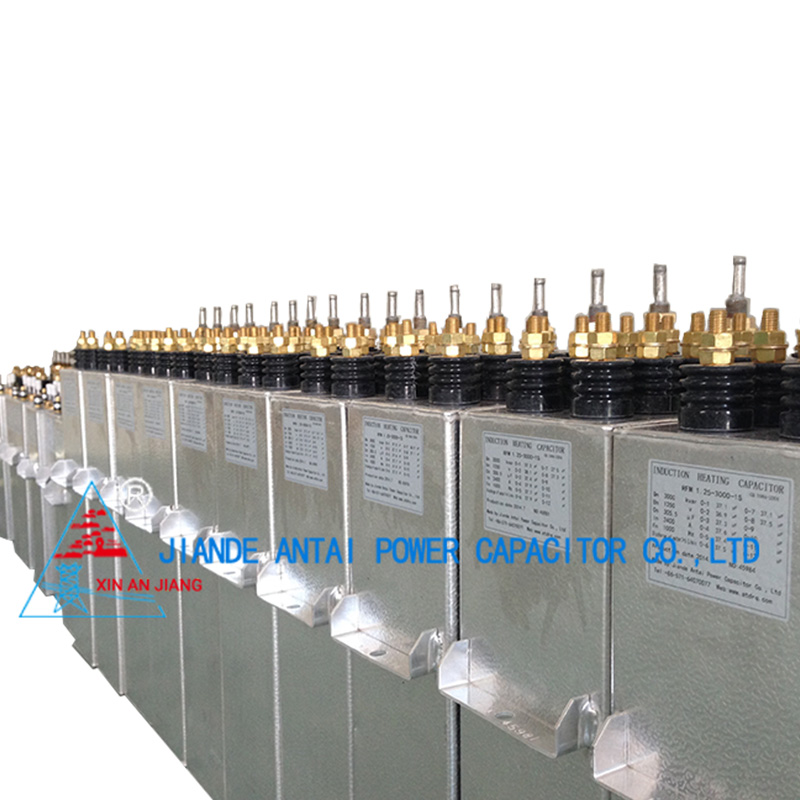
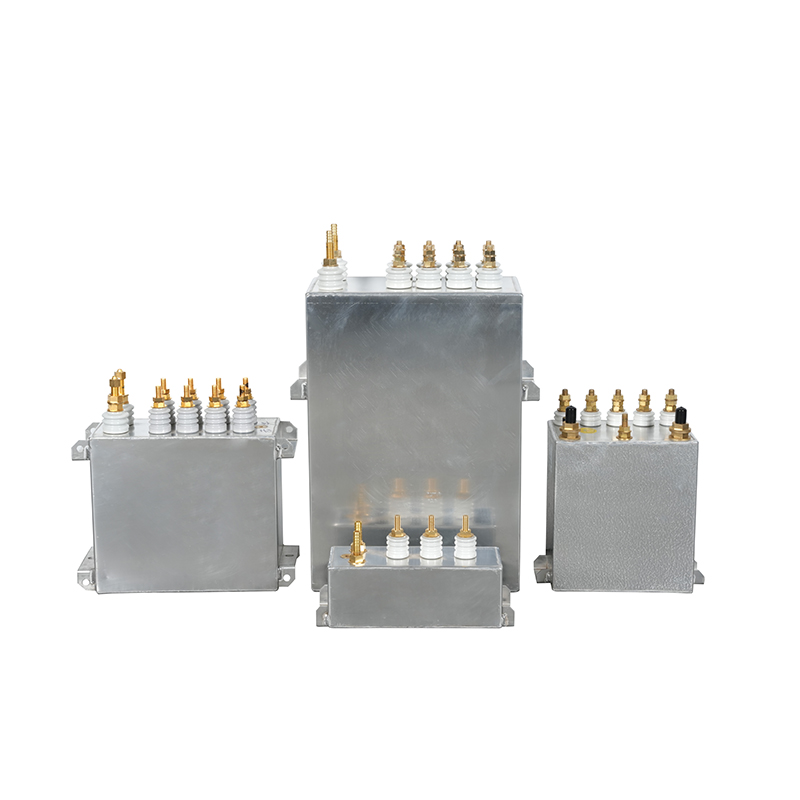
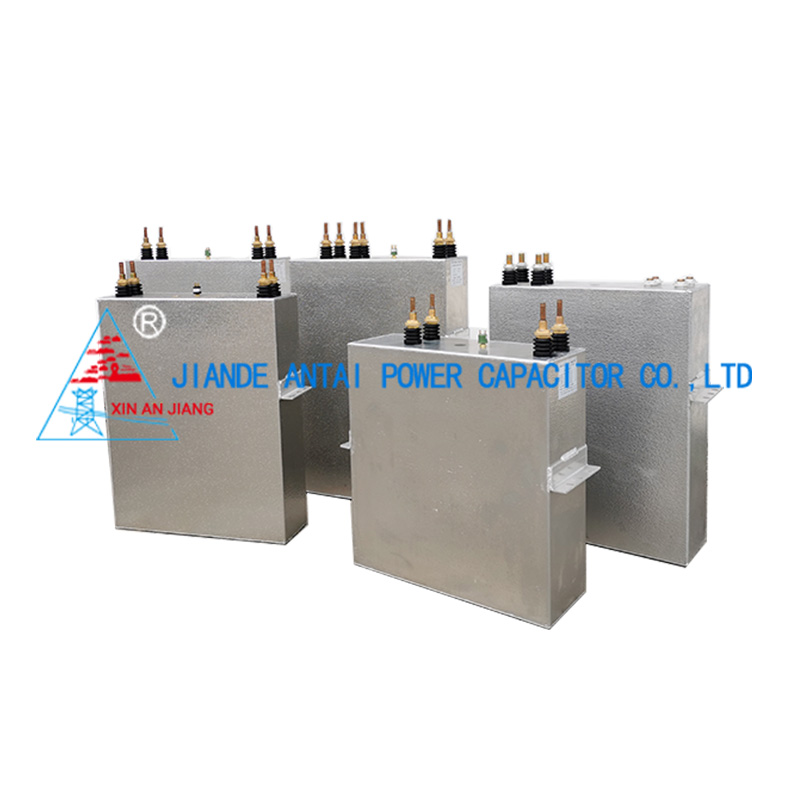
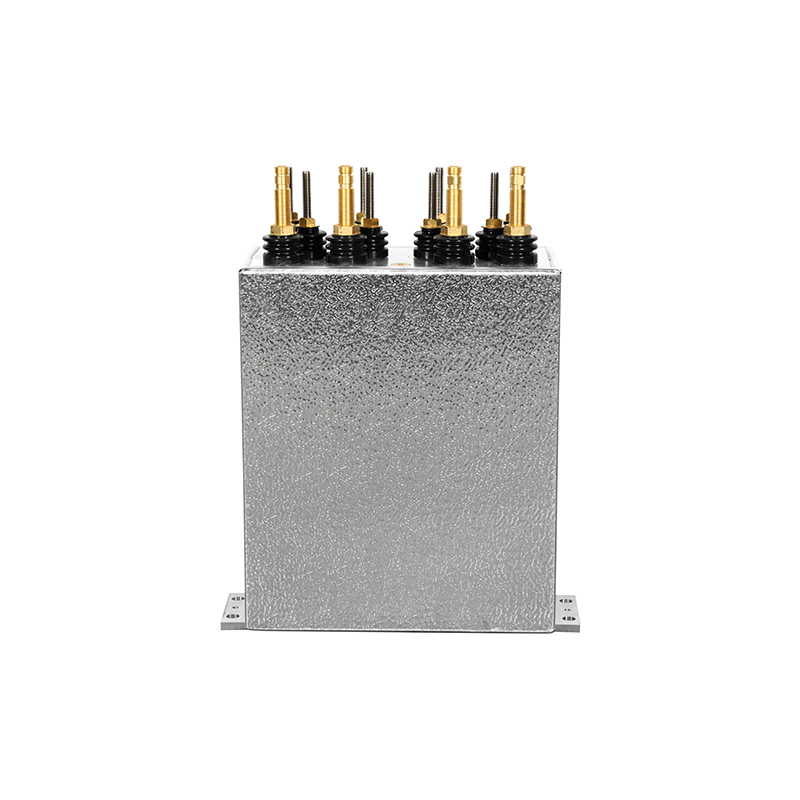
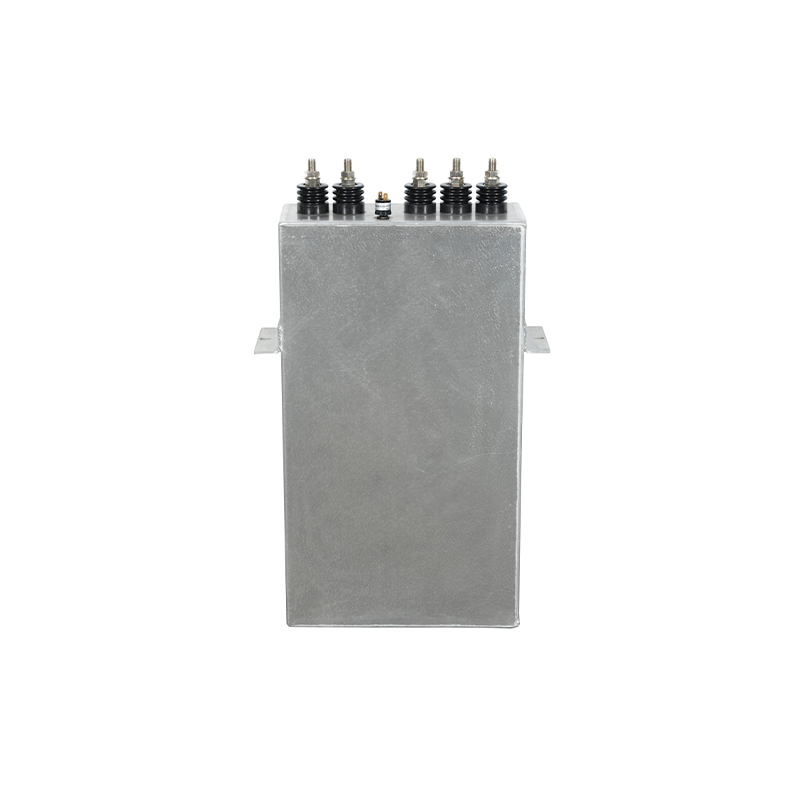
Induction heating systems require highly reliable reactive power compensation. The power supply generates significant electrical currents at specific resonant frequencies. An Air-Cooled Induction Heating Capacitor provides the necessary capacitance to sustain this resonance. These components handle extreme electrical stress during continuous industrial operations. Equipment engineers prioritize thermal management and dielectric stability when selecting these parts. We will analyze the technical architecture and procurement standards for these critical components.
Induction heating relies on a parallel or series resonant circuit. The capacitor bank forms one half of this resonant tank. The inductor coil forms the other half. Together, they oscillate at a frequency typically ranging from one kilohertz to one hundred kilohertz. The capacitor must continuously absorb and release high-frequency reactive power. This cyclic energy transfer creates intense internal heating. The dielectric material between the capacitor plates determines the overall efficiency and thermal limits of the component.
The internal dielectric film directly impacts the performance of the unit. Manufacturers use specialized polypropylene films for high-frequency applications. This plastic offers a very low dissipation factor. A low dissipation factor means the film converts minimal electrical energy into waste heat. The aluminum electrodes are vacuum-deposited onto the film surface. This construction minimizes electrical resistance. Engineers must evaluate the dielectric loss tangent when specifying components for high-power systems.
Heat dissipation dictates the operational lifespan of any reactive power component. Induction heating capacitor cooling methods generally fall into two categories. These categories are air cooling and water cooling. Air-cooled systems rely on ambient air flowing across the aluminum casing. They often incorporate extended fin structures to increase the surface area. Water-cooled systems route chilled liquid through internal copper pipes. Each method presents distinct advantages for facility engineers.
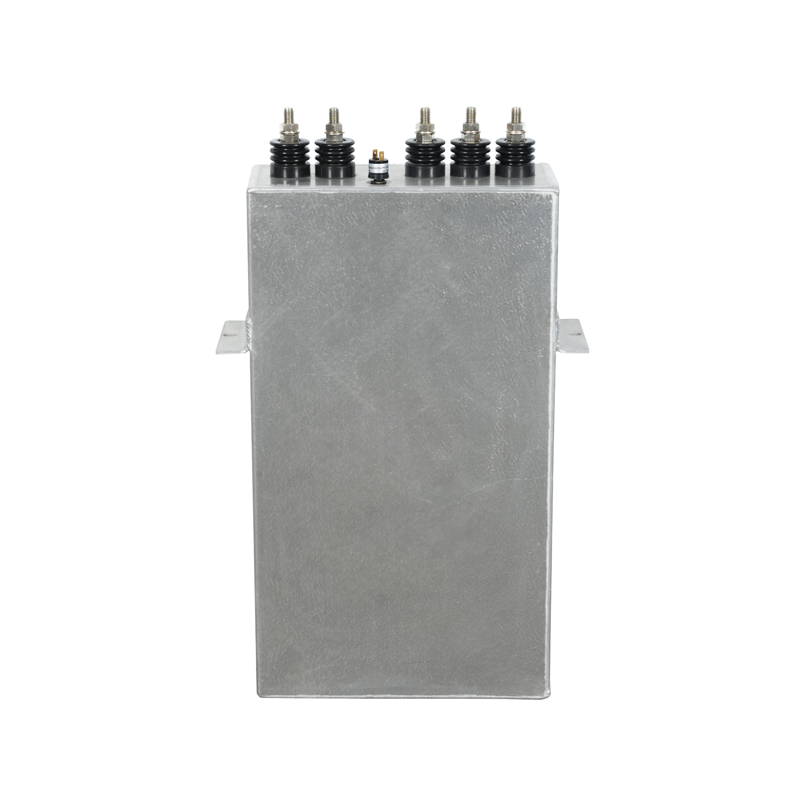
Air-cooled designs eliminate the need for external plumbing and water treatment systems. This reduction in auxiliary equipment lowers the total cost of ownership. Maintenance teams do not need to monitor water flow rates or prevent mineral scaling. The Air-Cooled Induction Heating Capacitor uses convective heat transfer to maintain a stable temperature. This simplicity makes air-cooled units ideal for light to medium-duty forging and brazing applications.
Procurement specialists must match the electrical ratings to the specific power supply. The primary ratings include reactive power, voltage, and frequency. The reactive power is measured in kilovars. The voltage rating indicates the maximum peak voltage the dielectric can withstand. The frequency rating defines the optimal operating range. Exceeding the rated voltage causes immediate dielectric breakdown. Operating below the rated frequency increases the current draw and causes thermal overload.
Large-scale induction furnaces require massive amounts of reactive power. Engineers group individual capacitor units into a high-frequency induction heating capacitor bank. This assembly connects multiple units in parallel to achieve the target kilovar rating. The physical busbar connections must minimize inductance. High stray inductance causes destructive voltage spikes across the capacitor terminals. Proper bank design ensures equal current sharing among all individual units.
System integrators constantly evaluate the trade-offs between air and water cooling. The choice depends on the installed power capacity and the facility infrastructure. Water-cooled components handle much higher power densities in a compact physical footprint. Air-cooled components require more physical space but offer superior mechanical simplicity. The following comparison highlights the key engineering differences between these two thermal management approaches.
| Parameter | Air-Cooled Technology | Water-Cooled Technology |
| Power Density | Low to Medium | High |
| Auxiliary Systems | Fans only | Pumps, chillers, filters |
| Maintenance Complexity | Low | High |
| Leakage Risk | None | High |
| Typical Application | Brazing, small forging | Large melting furnaces |
Capacitors degrade over time due to electrical and thermal stress. Predictive maintenance protocols help plant managers avoid unplanned downtime. Technicians monitor several key indicators to assess the health of the component. These indicators include capacitance drift, case temperature, and insulation resistance.
The internal dielectric film experiences gradual aging under high-frequency stress. This aging causes microscopic voids in the film structure. As a result, the measured capacitance slowly decreases over time. Engineers track induction heating capacitor lifespan and degradation by performing routine capacitance measurements. Industry standards recommend replacing the unit when the capacitance drops by five percent below its nominal value. Operating a degraded capacitor forces the power supply to work harder, which risks cascading system failures.
Dielectric breakdown produces internal gas pressure. If the pressure builds too rapidly, the aluminum casing can rupture. Manufacturers install mechanical pressure interrupters on the top of the casing. This interrupter disconnects the internal connection when the internal pressure exceeds a safe threshold. This safety feature prevents catastrophic explosions in the electrical cabinet. Buyers must verify that all supplied units carry this mechanical protection.
Sourcing these components requires strict attention to manufacturing quality. The induction heating capacitor manufacturer standards dictate rigorous testing protocols. Reliable suppliers test every individual unit at full rated voltage and frequency before shipping. This production testing eliminates early-life defects. Procurement teams should request certified test reports detailing the exact capacitance, loss tangent, and high-potential test results for each shipped batch.
B2B buyers must audit the supply chain for raw material consistency. The purity of the polypropylene film varies between chemical suppliers. Impurities in the film drastically reduce the breakdown voltage. Distributors should maintain direct relationships with component manufacturers. This relationship ensures traceability and provides access to engineering support for complex system integrations.
Premature failure usually stems from thermal overload or voltage overshoot. Contaminated cooling fins restrict airflow and cause the internal temperature to exceed safe limits. Voltage spikes from poorly tuned resonant circuits puncture the dielectric film. Operators must ensure the power supply matches the voltage and frequency ratings of the capacitor exactly.
Yes, but facility engineers must implement preventive maintenance. A thick layer of dust on the cooling fins acts as thermal insulation. Maintenance teams need to use compressed air to clean the fins regularly. In extremely dusty environments, managers should consider installing air filtration systems around the electrical cabinet to ensure adequate heat transfer.
Engineers calculate the required capacitance based on the inductance of the coil and the target operating frequency. The resonant frequency formula dictates the exact relationship between inductance and capacitance. The total reactive power requirement then determines the number of individual capacitor units needed in the parallel bank.
No, mixing different models creates serious operational risks. Different models possess different internal inductances and capacitance tolerances. These differences cause unequal current distribution across the bank. The unit with the lowest impedance will draw excessive current and fail rapidly. All units in a parallel bank must share identical electrical characteristics.
Contact Us
News center
information
Tel: +86-571-64742598
Fax: +86-571-64742376
Add: Zhangjia Industrial Park, Genglou Street, Jiande City, Zhejiang Province, China
mobile


 English
 русский
 Deutsch