Content
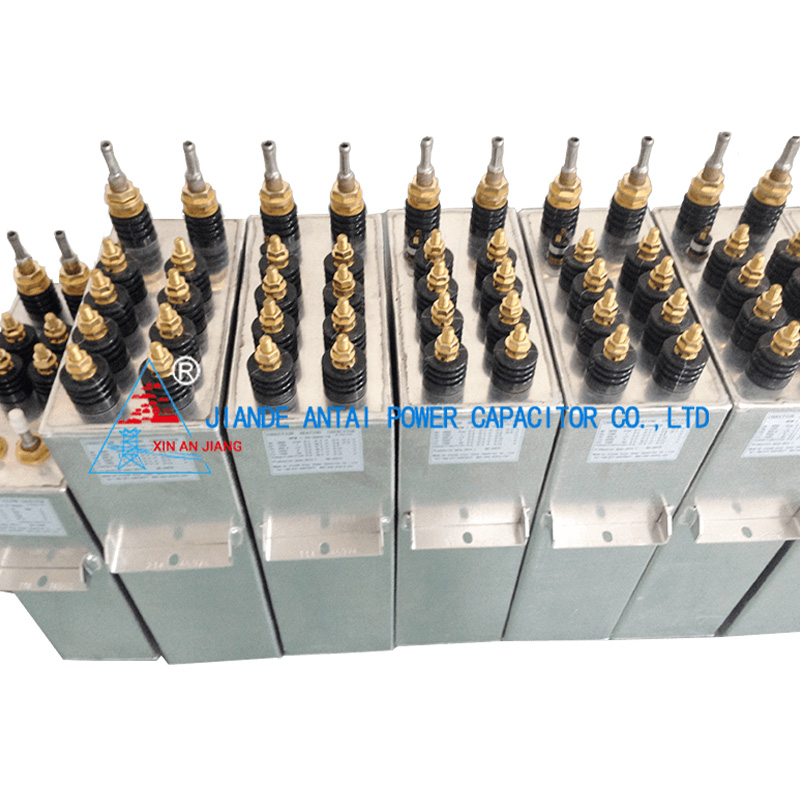
In high-power industrial environments, thermal management is a critical factor that directly influences system reliability and longevity. For engineers and procurement specialists, selecting the right passive component often determines the success of an entire project. Water-cooled capacitors have emerged as a superior solution for applications demanding high current handling and compact design. This article provides a detailed technical analysis of their advantages, selection criteria, and practical considerations for B2B buyers.
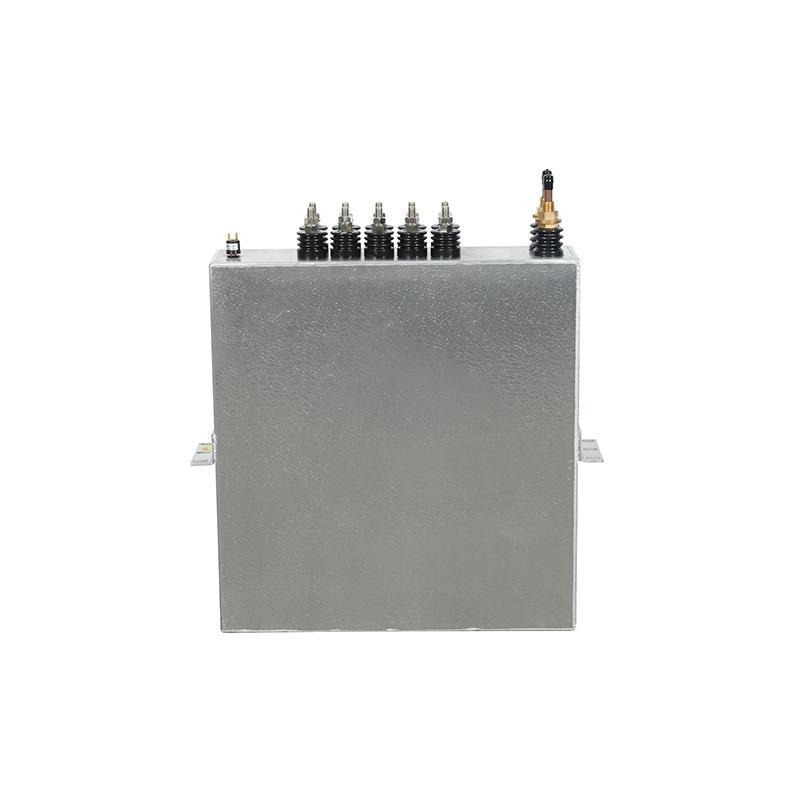
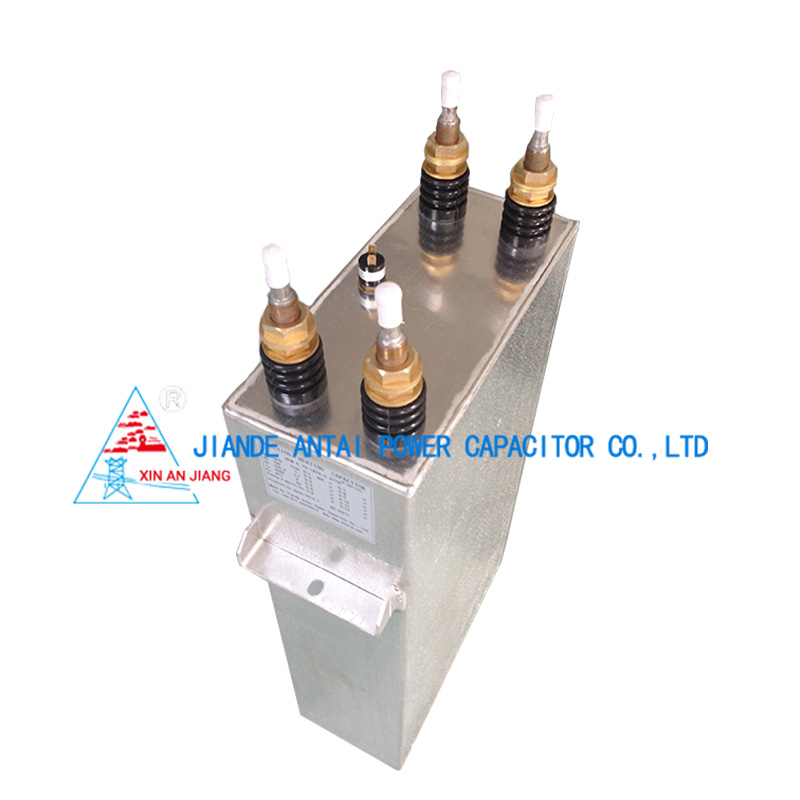
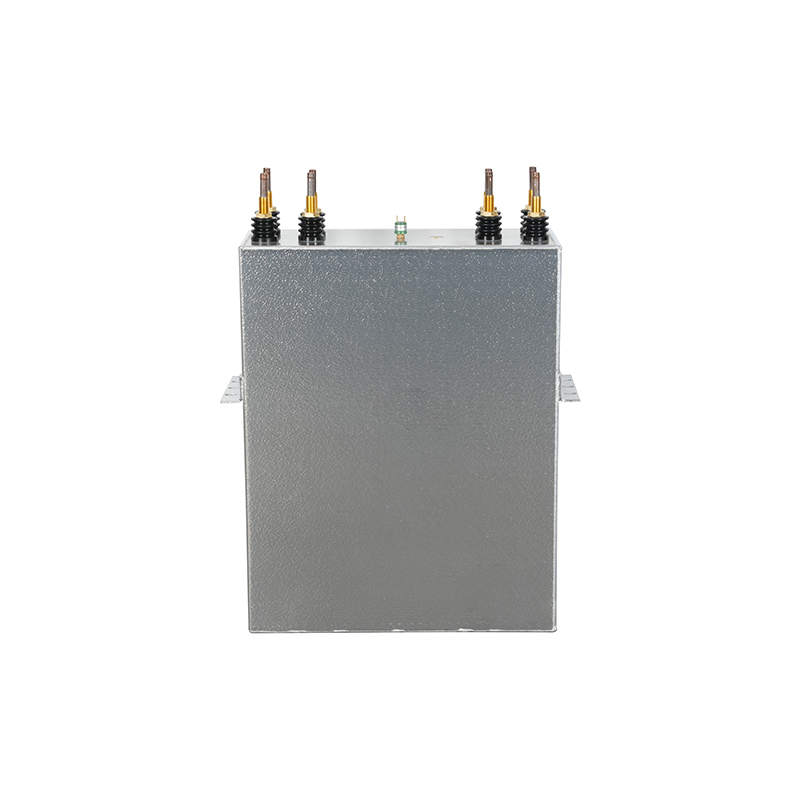
Unlike standard air-cooled units, water-cooled capacitors utilize a closed-loop liquid cooling system to extract heat directly from the internal winding and dielectric. This design allows for a significantly higher power density. The cooling medium, typically deionized water or a water-glycol mixture, flows through an internal electrode or a dedicated cooling tube, maintaining the capacitor’s core temperature within a safe operating range even under extreme ripple currents.
When evaluating these components, engineers must look beyond basic capacitance values. Critical parameters include:
The integration of water-cooled capacitors reduces the overall footprint of power stacks by up to 40% compared to forced-air cooling solutions, a crucial factor for compact inverter designs.
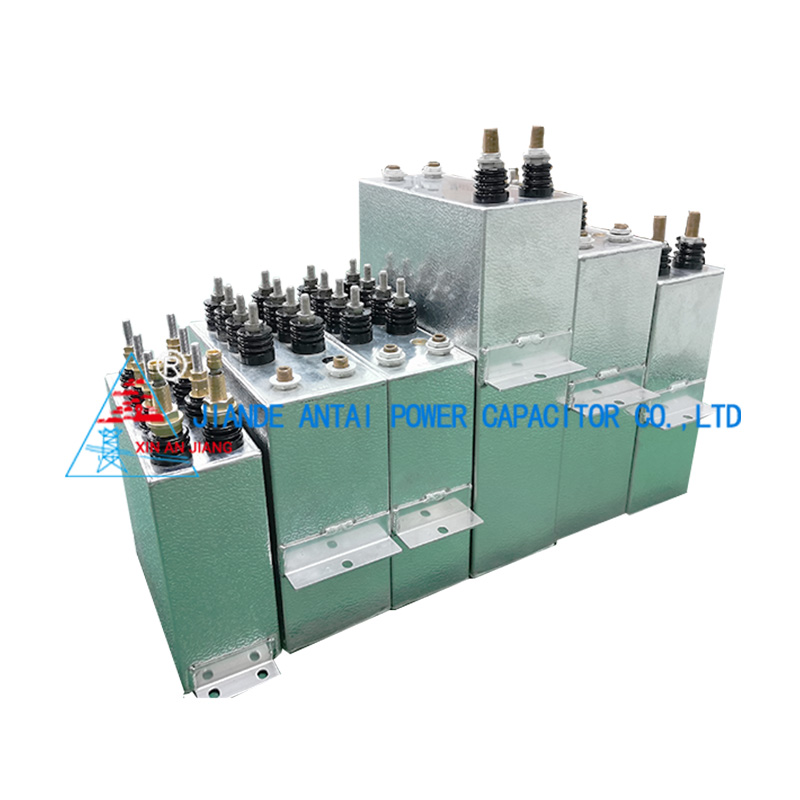
To meet specific industry needs, we address five high-search long-tail queries that represent common user intents:
When designing a power conversion system, the choice between water-cooled and air-cooled technologies involves trade-offs in performance, maintenance, and initial cost. For applications exceeding 500A of ripple current, water cooling becomes not just beneficial but necessary. Below is a comparative breakdown based on industrial field data.
For high-power systems, water-cooled capacitors demonstrate superior performance in thermal management, but the system complexity increases. The following table outlines the key differences:
| Feature | Water Cooled Capacitors | Air Cooled Capacitors |
|---|---|---|
| Power Density (kVar/L) | High (1.5 – 3.0) | Low (0.3 – 0.8) |
| Typical RMS Current Capacity | >1000A per unit | <300A per unit |
| Ambient Temperature Dependency | Low (coolant-controlled) | High (ambient air temp critical) |
| System Maintenance | Requires water quality monitoring | Requires filter cleaning, fan replacement |
| Initial Capital Expenditure (CAPEX) | Higher due to cooling infrastructure | Lower upfront cost |
Selecting the right water-cooled capacitors involves a holistic assessment of electrical, thermal, and mechanical parameters. B2B buyers must ensure the component meets both operational demands and long-term reliability standards.
The lifespan of a water-cooled capacitor is heavily influenced by the coolant temperature. For every 10°C reduction in core temperature, the expected lifetime (typically defined by the end of life capacitance loss of 3-5%) doubles. Engineers should calculate the specific thermal resistance (Rth) between the case and the coolant to validate the thermal design.
For specialized equipment, custom water-cooled capacitor assemblies are often the most efficient path. This customization can involve integrating temperature sensors (PT100) directly into the bushing or designing specific cooling channel geometries to match existing manifolds. For induction heating applications, the physical layout must minimize stray inductance to optimize circuit efficiency.
Different industries impose unique stressors on these components. For instance, water-cooled capacitors for induction heating must handle high frequencies (up to 400 kHz) where skin effect and proximity effect generate significant heat. In contrast, water cooled capacitor for welding equipment must be ruggedized to withstand mechanical vibration and high surge currents typical in spot welding lines. When sourcing replacement water-cooled capacitors, verifying the original dimensions and terminal torque specifications is critical to prevent installation errors.
For large-scale B2B purchases, verifying compliance with international standards is non-negotiable. Reputable manufacturers typically adhere to IEC 61071 (for power electronic capacitors) or UL 810 (for safety). Key procurement documents should include:
The market for high-voltage water-cooled capacitors is particularly sensitive to dielectric purity. High-grade polypropylene film with metallized electrodes ensures self-healing properties, which prevent catastrophic failure during voltage spikes.
Under nominal operating conditions—where the coolant temperature is maintained between 40°C and 55°C and the capacitor operates below its rated voltage and current—the expected operational lifespan typically ranges from 80,000 to 100,000 hours. This is significantly longer than air-cooled alternatives in high-stress environments. Regular monitoring of capacitance and dissipation factor is recommended for predictive maintenance.
No, using standard tap water is strongly discouraged. Tap water contains minerals and ions that increase electrical conductivity, leading to electrolytic corrosion of the cooling channels and reduced dielectric strength. The industry standard is to use deionized (DI) water with a conductivity below 10 µS/cm, often mixed with a corrosion inhibitor or glycol to prevent freezing and biological growth.
To identify the correct replacement water-cooled capacitors, you must match three key parameters: electrical specifications (capacitance, voltage, and RMS current rating), mechanical dimensions (mounting centers, overall height, and terminal type), and cooling interface (thread size, port location, and flow rate requirements). Cross-referencing the original manufacturer’s part number and obtaining a detailed datasheet is the most reliable method.
While custom water-cooled capacitor assemblies typically involve higher engineering and tooling costs upfront, they can be more cost-effective in the long run for high-volume production. Customization allows for optimized integration, reducing the need for additional busbars, complex cabling, and mounting hardware. For B2B buyers with production volumes exceeding 500 units per year, the total cost of ownership often favors the custom route.
Contact Us
News center
information
Tel: +86-571-64742598
Fax: +86-571-64742376
Add: Zhangjia Industrial Park, Genglou Street, Jiande City, Zhejiang Province, China
mobile


 English
 русский
 Deutsch