 English
 русский
 Deutsch

News
Home / News / Industry News / RAM vs RFM Series Capacitors: What Is the Difference for Induction Heating?
Content
A foundry engineer is comparing quotes for a 3 kV medium-frequency induction furnace upgrade. Both suppliers recommend capacitors with nearly identical kvar ratings, but one specifies a RAM series and the other an RFM series. At first glance they look interchangeable, but the two series are engineered for different operating regimes. RAM is built for induction melting at 500 to 1200 Hz, while RFM handles electric heating and heat treatment across 800 to 3000 Hz. That is the core difference between RAM vs RFM series capacitors for induction heating, and it directly affects which one belongs in your furnace.
RAM and RFM are not interchangeable. The frequency of your furnace determines which series you need.
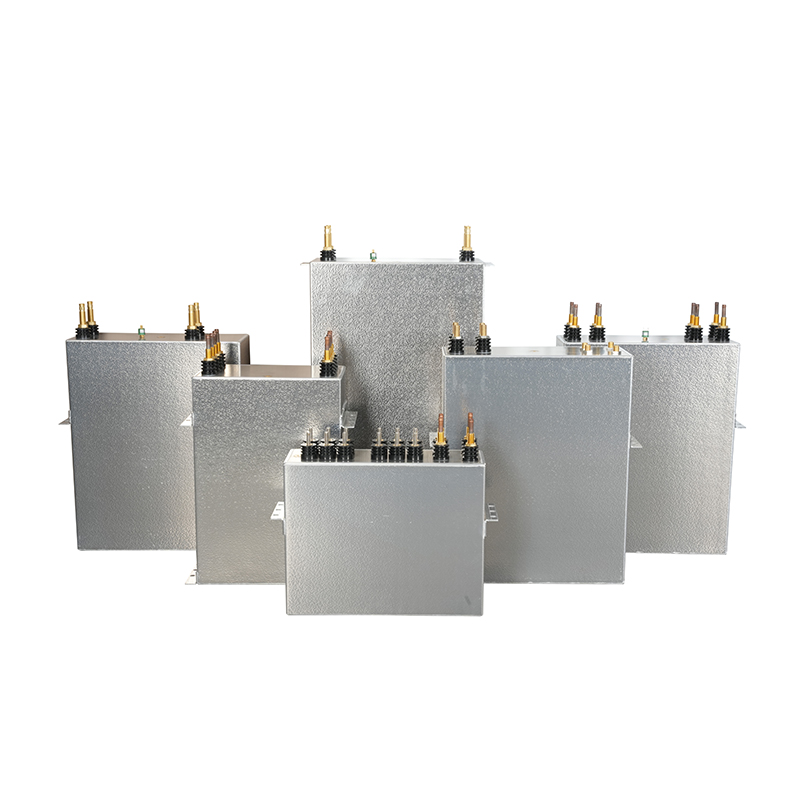
RAM and RFM series capacitors are both polypropylene film capacitors manufactured by Jiande Antai Power Capacitor Co., Ltd., but they are specified for different segments of the induction heating spectrum.
A capacitor series designation is a shorthand for the electrical and structural design envelope a capacitor is built to handle. The design envelope defines the voltage limits, the frequency range, the reactive power ceiling, and the cooling method required to keep the capacitor within its loss budget.
RAM series capacitors use aluminum foil electrodes and are optimized for induction melting furnace applications. The RAM product line includes ratings from 1.25 kV to 3.3 kV, from 2000 kvar to 8400 kvar, and frequencies from 500 Hz to 1200 Hz.
RFM series capacitors can use either aluminum foil or metallized film dielectric, and they are designed for electric heating and heat treatment applications. The RFM line includes ratings from 0.8 kV to 3.3 kV, from 1500 kvar to 7804 kvar, and frequencies from 800 Hz to 3000 Hz.
Key characteristics of the RAM series:
Key characteristics of the RFM series:
Comparing the actual electrical specifications of the two series reveals that frequency range, not voltage, is the primary differentiator.
| Parameter | RAM Series | RFM Series |
| Voltage Range | 1.25-3.3 kV | 0.8-3.3 kV |
| Frequency Range | 500-1200 Hz | 800-3000 Hz |
| Reactive Power | 2000-8400 kvar | 1500-7804 kvar |
| Dielectric | Polypropylene film plus aluminum foil | Polypropylene film plus foil or metallized film |
| Cooling | Water-cooled with air-cooled options | Water-cooled with air-cooled options |
| Typical Application | Induction melting furnaces | Electric heating and heat treatment |
The overlap zone between 1000 and 1200 Hz is where procurement teams get into trouble. Both series have products rated for this band, but the internal construction determines which one performs better under your specific duty cycle. For continuous melting, the RAM series lower loss topology is the safer choice. For intermittent heat treatment, the RFM series self-healing film is more forgiving.
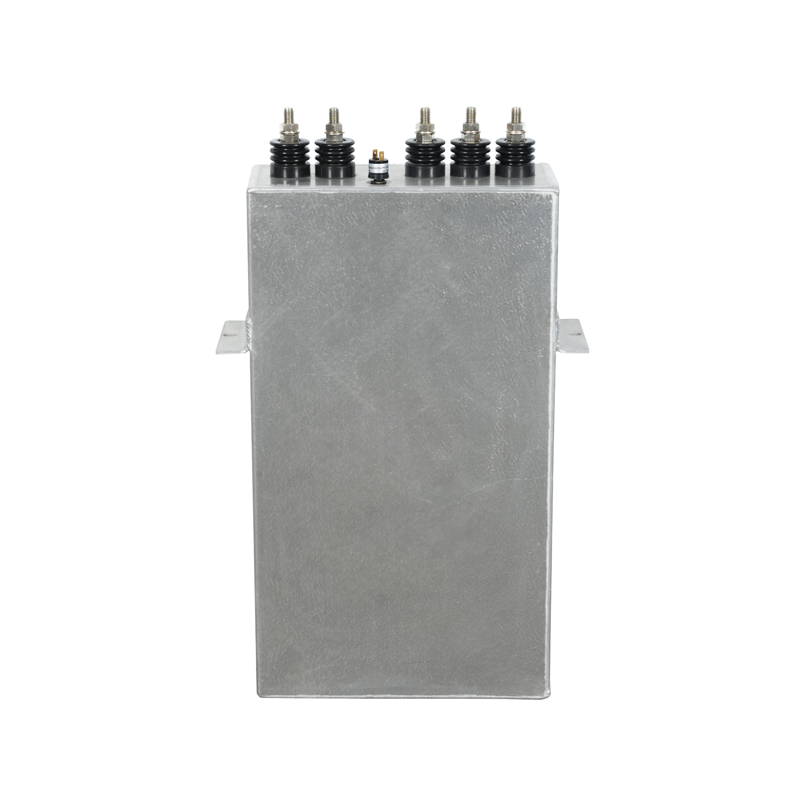
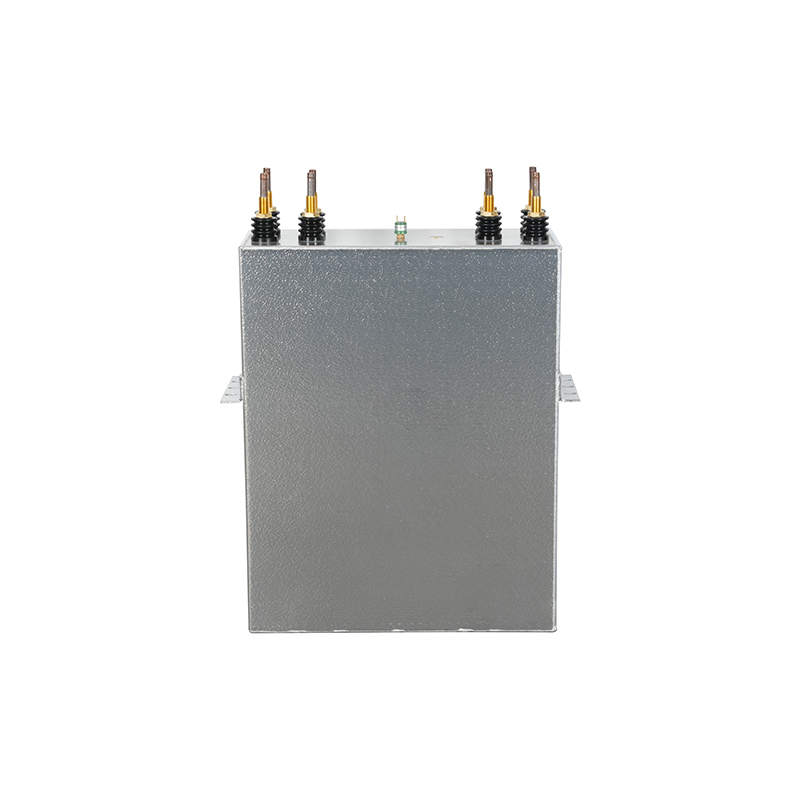 3.0kV 8400kvar RAM Induction Heating Capacitor for 700Hz MeltingThis high-capacity capacitor operates at 700Hz and is suited for continuous melting applications, offering lower losses for improved efficiency and stable performance under long-term loads.View Product →
Choose a RAM series capacitor when your induction melting furnace operates below 1200 Hz, and choose an RFM series capacitor when your electric heating process runs from 1200 Hz to 3000 Hz.
The resonant frequency of your induction heating circuit determines the reactive power the capacitor must supply at a given voltage. RAM series capacitors are engineered with a lower inductance path and thicker electrode connections to handle the higher current at medium frequency. RFM series capacitors use a higher-frequency electrode layout that reduces dielectric loss at heating frequencies above 1000 Hz.
In practice, a capacitor rated at 8400 kvar at 700 Hz cannot supply that same reactive power at 1200 Hz without exceeding its thermal limits. Always verify the rated kvar at your specific operating frequency, not just the maximum rating listed in the catalogue.
Frequency is the first filter. If your furnace runs at 700 Hz, you need a RAM series capacitor. If it runs at 1500 Hz, you need an RFM series capacitor. The reactive power rating is meaningless if the frequency does not match the capacitor design.
For a deeper framework, read our article on choosing the right medium-frequency induction heating capacitors.
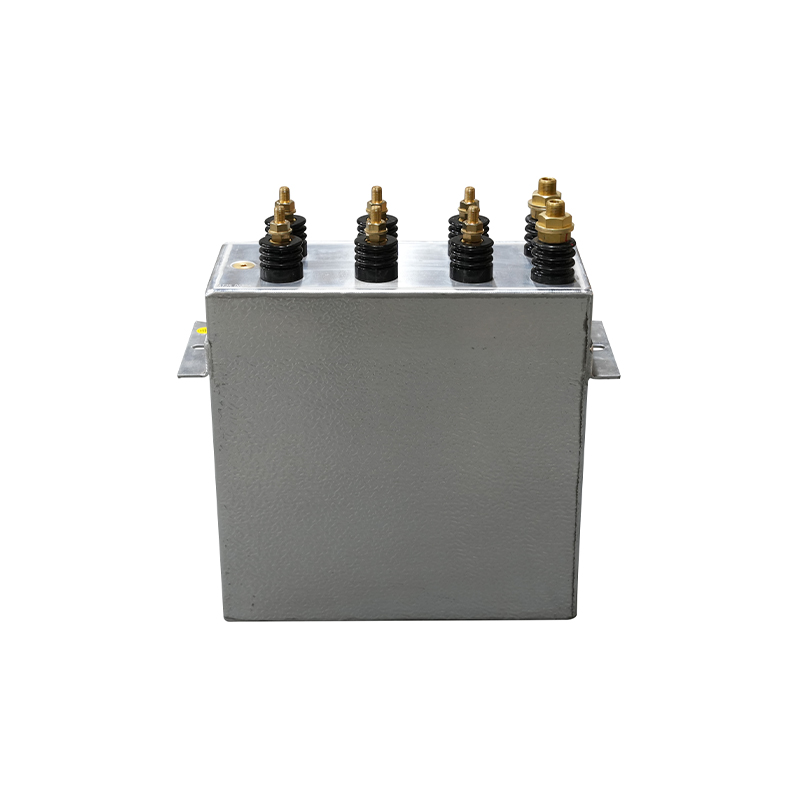
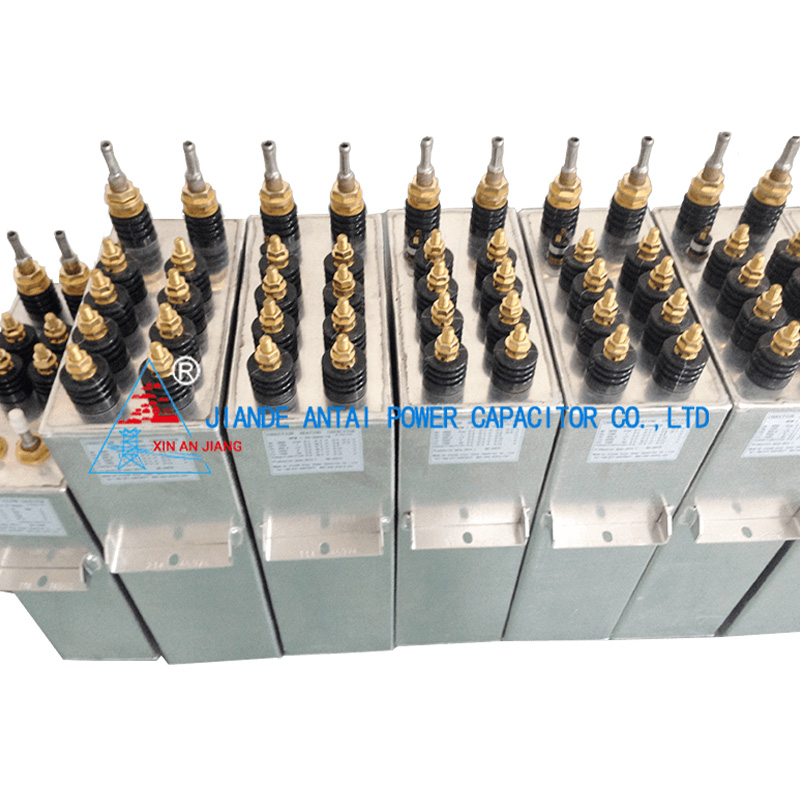 3.0kV 6921kvar RFM Electric Heating Capacitor for 1200Hz SystemsDesigned for intermittent heat treatment, this RFM capacitor features self-healing film and precise control for semiconductor and metal processing, ensuring reliable operation at high frequencies.View Product →
Cooling is the second technical differentiator between RAM and RFM series capacitors, and it is tied directly to the current density inside the capacitor.
Water quality also matters. Deionized or distilled water prevents scale buildup inside the copper tubes, which otherwise reduces cooling efficiency and causes hot spots on the capacitor winding.
Cooling method is not a preference. It is a technical requirement. The kvar rating on the nameplate is only valid when the cooling system meets the capacitor's specified flow rate and inlet temperature. A capacitor that is undercooled by even a few degrees will fail far before its rated life.
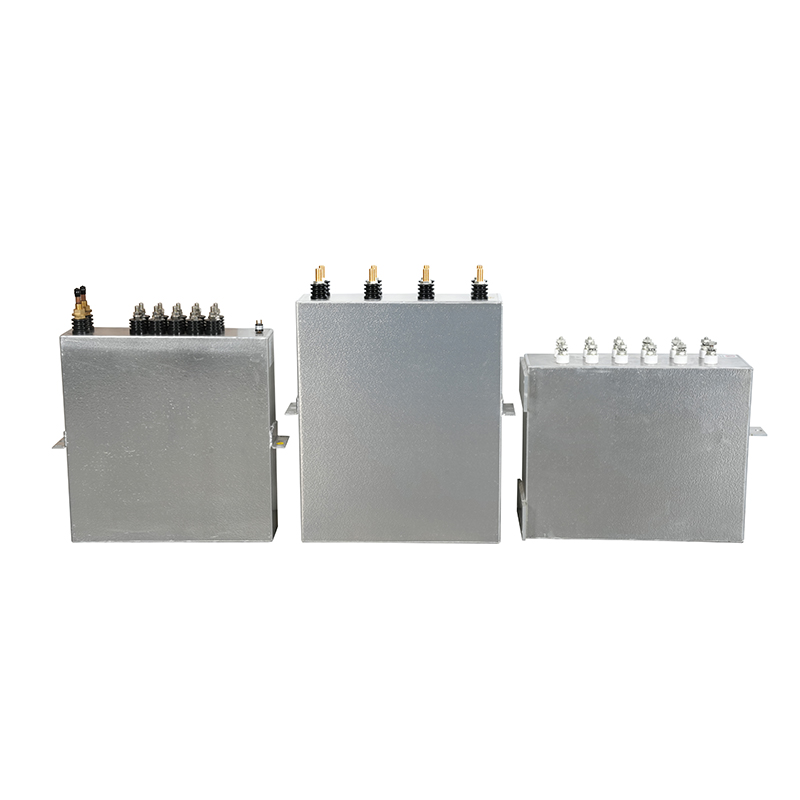
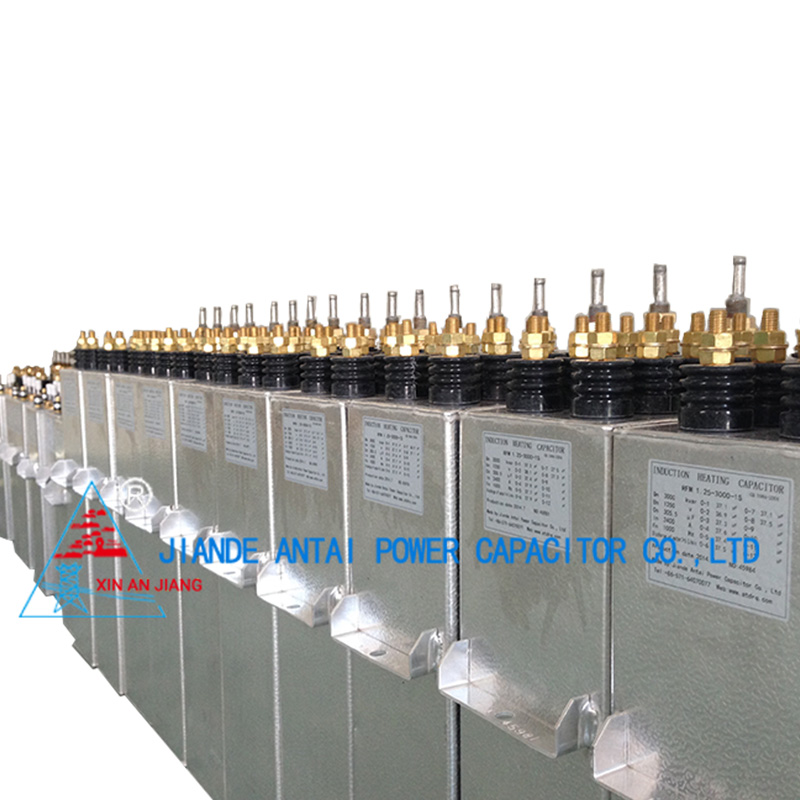 RFM 3300V 7350kvar Metallized Film Capacitor for 1500Hz HeatingWith metallized film construction and self-healing capability, this capacitor supports high-frequency heating processes, providing stable energy output and enhanced durability in demanding environments.View Product →
The most common procurement error is selecting a capacitor based on reactive power alone, without verifying that the frequency, cooling, and dielectric construction match your furnace's operating profile.
The cheapest quote is not the lowest cost. A capacitor that is slightly under-specified for frequency or cooling will usually fail within the first two years, while a correctly specified unit can run for a decade or more in continuous melting duty.
Work with a supplier that publishes detailed specifications and can document its quality control process, including the aging treatment and withstand voltage testing that Jiande Antai applies to every induction heating capacitor it ships.
No. RAM and RFM series capacitors use different internal electrode constructions and are optimized for different frequency ranges. Substituting one for the other will change the resonant characteristics of the induction heating circuit and can cause overheating or reduced output.
Under normal operating conditions with proper cooling, a RAM series capacitor from a manufacturer with mature quality control can exceed 10 years of service. Jiande Antai Power Capacitor Co., Ltd. applies aging treatment and impregnation processes to stabilize the dielectric, and each capacitor passes a withstand voltage test before shipment.
Air-cooled RFM capacitors work for low-power heat treatment and some melting applications up to a few hundred kvar. For high-power induction melting above 5000 kvar, water cooling is required to keep the dielectric temperature within the loss budget.
Visual and electrical inspection every 6 months is a good baseline. Check the water fittings for corrosion, measure the capacitance with an LCR meter, and monitor the temperature rise during operation.
Contact Us
News center
information
Tel: +86-571-64742598
Fax: +86-571-64742376
Add: Zhangjia Industrial Park, Genglou Street, Jiande City, Zhejiang Province, China
mobile