 English
 русский
 Deutsch

News
Home / News / Industry News / The Ultimate Guide to Tank Capacitors: Design, Function, and Selection
Content
In the realm of power electronics, ensuring clean and stable direct current is paramount for the efficiency and longevity of sensitive equipment. At the heart of many filtering and energy storage solutions lies a critical component: the tank capacitor. This guide delves into the intricacies of tank capacitors, exploring their fundamental principles, key applications, and how to select the right one for your needs. With nearly two decades of expertise, Jiande Antai Power Capacitor Co., Ltd. has established itself as a leader in designing and manufacturing high-performance capacitor solutions, including specialized DC filter capacitors, for a global clientele.
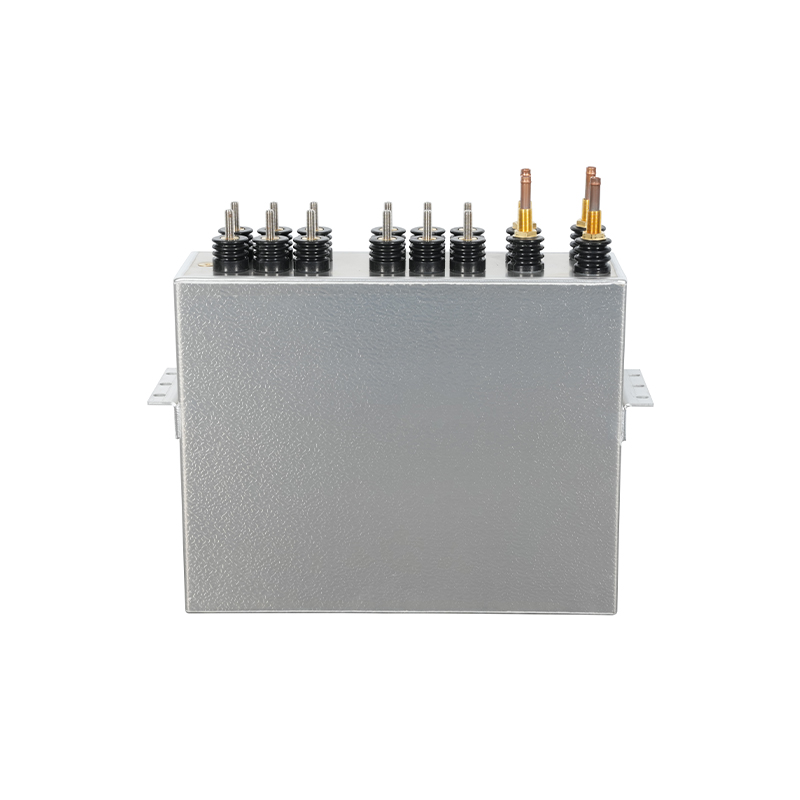
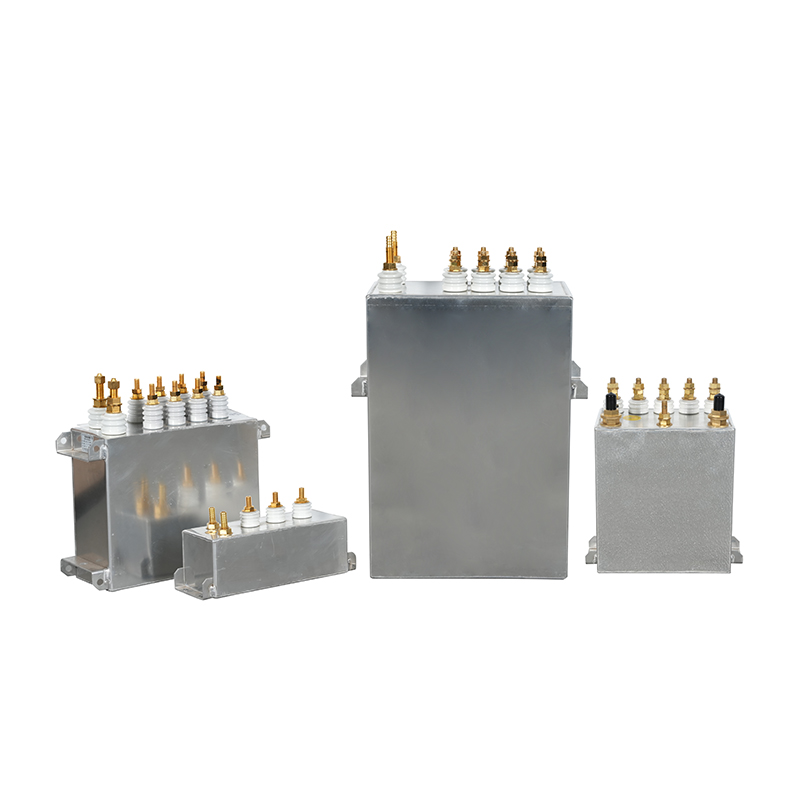
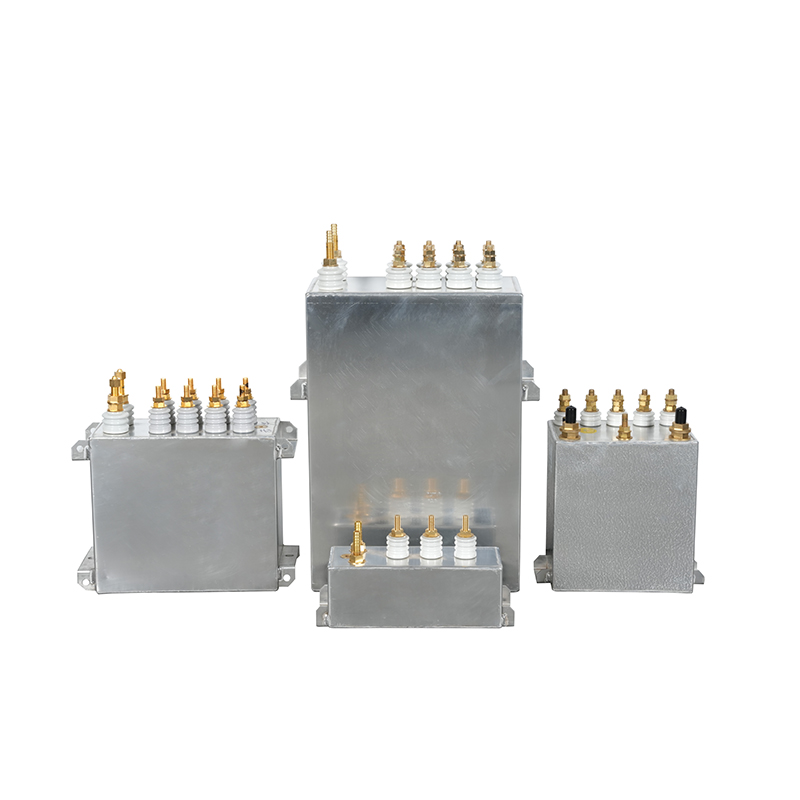
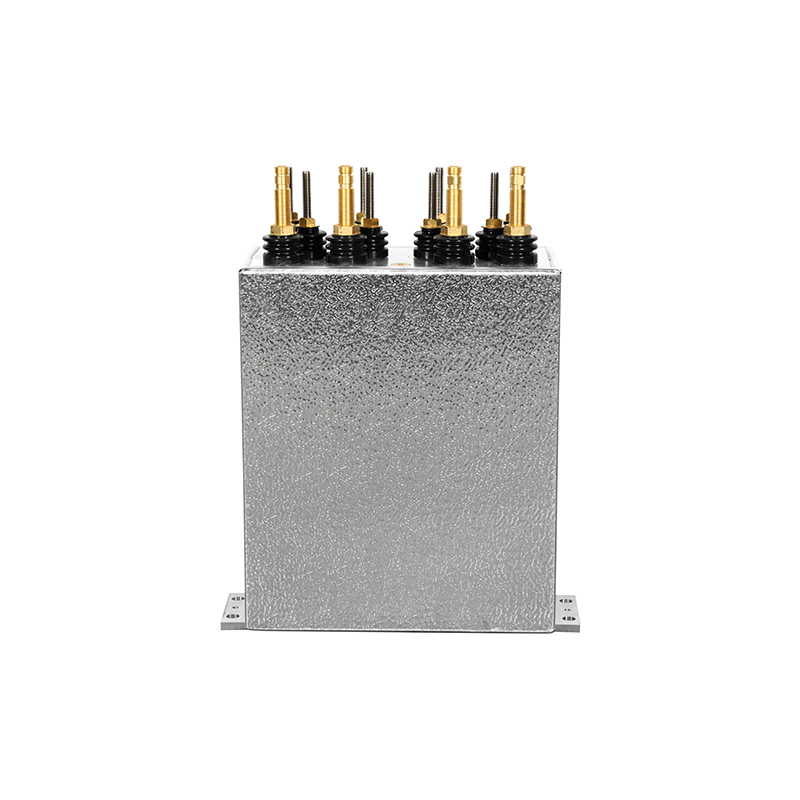
A tank capacitor is essentially an energy storage device that works in conjunction with an inductor (forming an LC circuit or "tank circuit") to smooth out voltage fluctuations, filter unwanted frequencies, or provide bursts of energy. Its primary role is to maintain a stable voltage level and improve power quality in various electronic and electrical systems.
The versatility of tank capacitors makes them indispensable across multiple industries.
Perhaps the most common application is within power supplies. Here, they are crucial for smoothing DC output in rectifier circuits. After AC is converted to DC, significant ripple voltage remains. A properly sized tank capacitor charges during peak voltage and discharges during lows, effectively "filling the gaps" to produce a smoother DC output.
In variable-frequency drives (VFDs) and inverters, capacitors are vital for intermediate DC bus filtering. They handle high ripple currents and stabilize the DC link voltage, which is essential for reducing noise in motor drive systems and ensuring precise control.
Solar inverters and wind power converters rely heavily on DC link capacitors to manage the intermittent power generated. They buffer energy, mitigate fluctuations, and are key to improving power quality in solar installations before inversion to grid-compatible AC.
In radio frequency and resonant power supplies, the tank circuit's ability to oscillate at a precise frequency is exploited. This makes them ideal for applications like induction heating and plasma generation, where selecting capacitors for high-frequency circuits requires special attention to parasitic inductance and self-resonant frequency.
These systems require rapid discharge of large amounts of energy. Tank capacitors store this energy and release it in a controlled, high-current burst, making them fundamental in equipment like discharge capacitors for energy storage in spot welders and laser pulsers.
Choosing the appropriate capacitor involves balancing several electrical parameters and physical characteristics. A common dilemma is between different dielectric materials, such as film and electrolytic capacitors.
Film capacitors, like polypropylene types, offer lower losses and better stability, whereas aluminum electrolytic capacitors provide higher capacitance per volume. For DC filtering in high-ripple current environments, a hybrid approach or specialized DC filter capacitors is often optimal [1]. The table below provides a clear comparison to guide your selection.
| Parameter | Film Capacitors (e.g., Polypropylene) | Aluminum Electrolytic Capacitors | DC Filter Capacitors (Specialized) |
|---|---|---|---|
| Capacitance Density | Moderate | Very High | High to Very High |
| Equivalent Series Resistance (ESR) | Very Low | Moderate to High | Engineered to be Very Low |
| Ripple Current Handling | Good | Excellent | Superior, Designed for High Ripple |
| Lifetime & Reliability | Very Long, Stable | Limited (e.g., 10-20 years) | Long, Robust Construction |
| Ideal Application Focus | Resonant circuits, timing, snubbers | Bulk storage in power supplies | High-performance DC link/bus filtering |
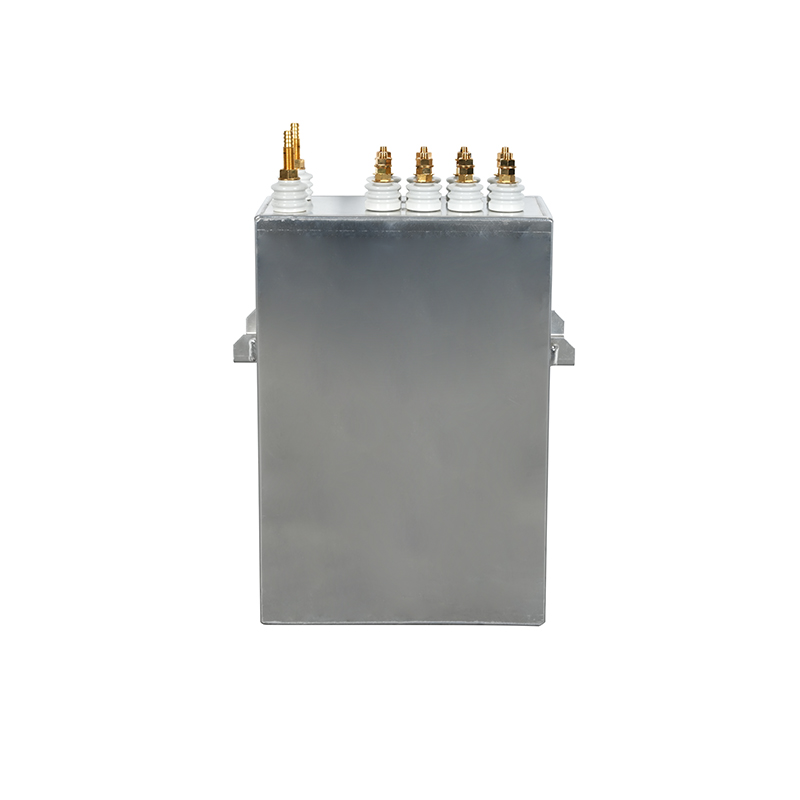
The performance and reliability of a tank capacitor are intrinsically linked to its design and manufacturing quality. Partnering with an experienced producer like Jiande Antai Power Capacitor Co., Ltd. offers distinct advantages. With a history spanning nearly 20 years and a location on the banks of the Xin'an River in Jiande City, the company combines a serene environment for precision manufacturing with a strong technical force. Holding ISO9001 and CE certifications, their complete production and quality management system ensures every unit meets stringent standards.
Their specialization in series resonant capacitors, large-capacity high-voltage capacitors, and the DZMJ series of DC filter capacitors gives them a significant edge in both domestic and international markets. Products are known for their novel design, exquisite manufacturing, and stable quality – attributes that have earned the deep trust of users worldwide. With over a decade of export experience supplying to countries like the USA, Germany, Italy, and South Korea, Jiande Antai understands the diverse needs of global power electronics applications and offers reliable DC filter capacitor for sale to meet those demands.
While all capacitors store energy, the term "tank capacitor" specifically refers to one used within an LC tank circuit or in applications where its primary role is energy buffering and filtering over a sustained period, often handling high ripple currents. It emphasizes function over a fundamental difference in construction.
The required capacitance depends on the load current (I), the acceptable ripple voltage (V_ripple), and the frequency of the ripple (f). A simplified formula is C = I / (f * V_ripple). For precise design, consult application notes or an engineering specialist, as factors like ESR and temperature play a critical role.
It depends. Film capacitors offer longer life and lower ESR but typically have a lower capacitance density. For the same capacitance, a film capacitor would be physically larger and more expensive. The replacement is often possible but requires careful reassessment of space, cost, and the specific electrical requirements like ripple current rating.
Common causes include operating above the rated voltage or temperature, exposure to excessive ripple current beyond its specification, poor soldering techniques creating thermal stress, and in the case of electrolytics, aging and drying out of the electrolyte. Proper derating and thermal management are key to longevity.
Low Equivalent Series Resistance (ESR) minimizes the internal power loss (I²R heating) when the capacitor handles high ripple currents. This leads to higher efficiency, less internal heating (which extends lifespan), and better effectiveness in filtering out high-frequency noise components.
[1] Mohan, N., Undeland, T. M., & Robbins, W. P. (2003). Power Electronics: Converters, Applications, and Design (3rd ed.). John Wiley & Sons. (Reference on power converter design and capacitor application).
[2] Erickson, R. W., & Maksimović, D. (2001). Fundamentals of Power Electronics (2nd ed.). Springer. (Reference on modeling and analysis of switching converters).
Contact Us
News center
information
Tel: +86-571-64742598
Fax: +86-571-64742376
Add: Zhangjia Industrial Park, Genglou Street, Jiande City, Zhejiang Province, China
mobile