 English
 русский
 Deutsch

News
Home / News / Industry News / The Comprehensive Guide to Tank Capacitors: Selection, Application, and Innovation
Content
In the world of power electronics and industrial applications, the tank capacitor stands as a critical component, often determining the efficiency and stability of entire systems. Understanding its intricacies is vital for engineers and procurement specialists. This guide delves deep into the function, selection, and advanced applications of tank capacitors, providing actionable insights to inform your decisions.
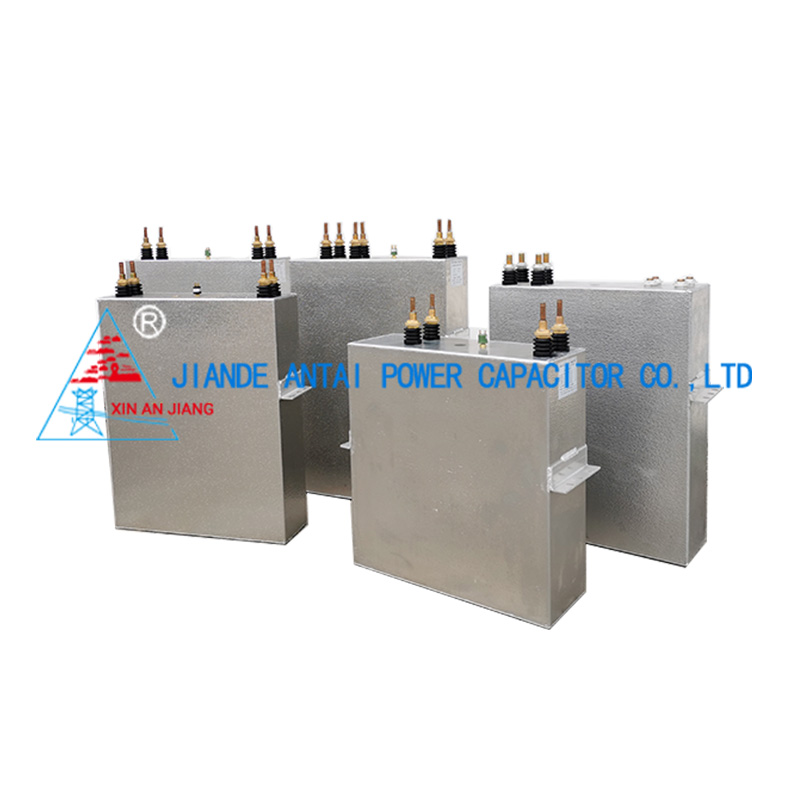
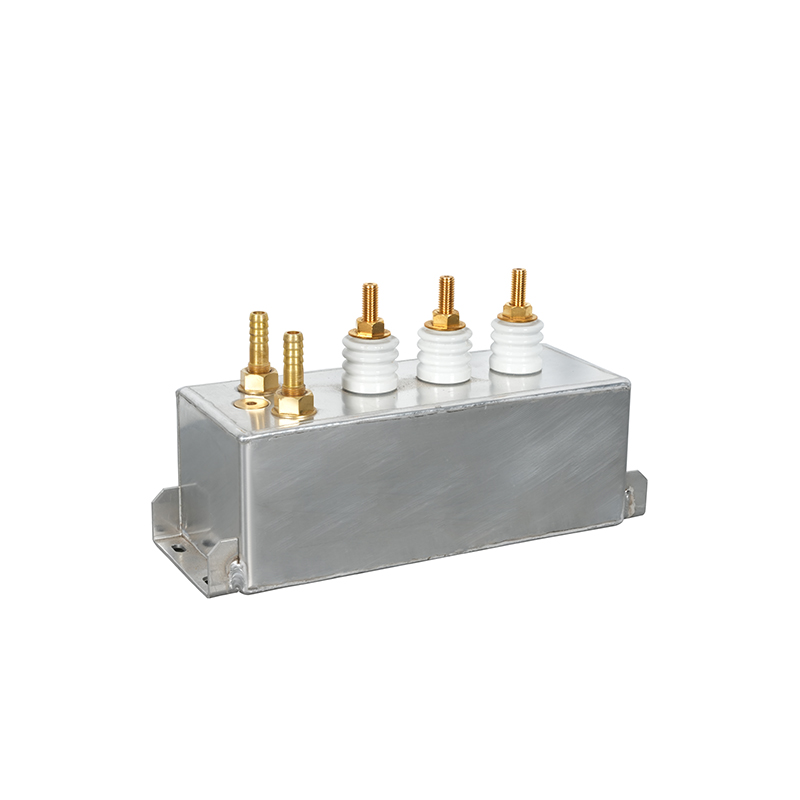
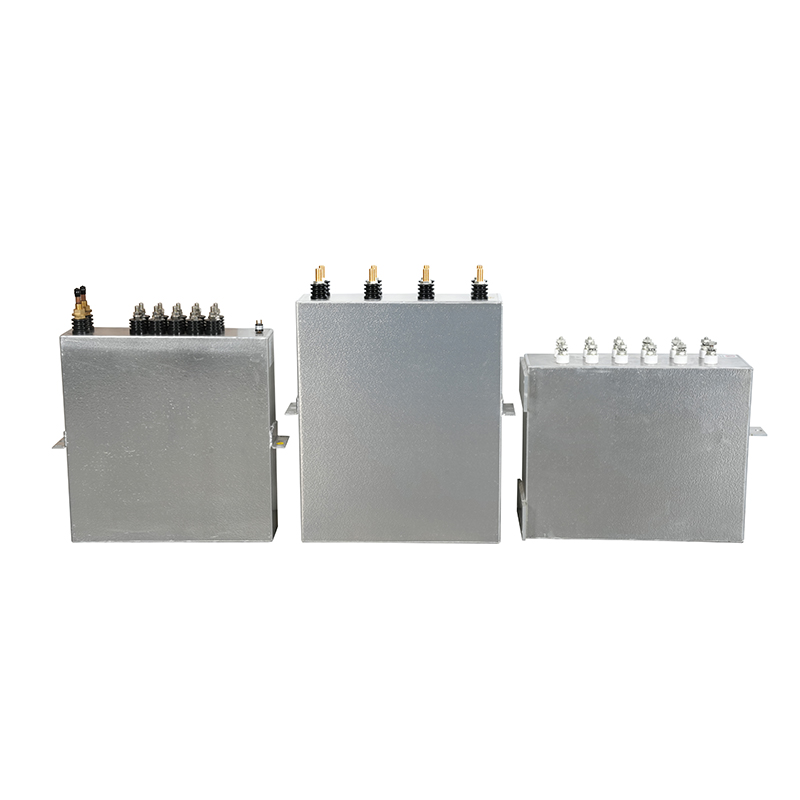
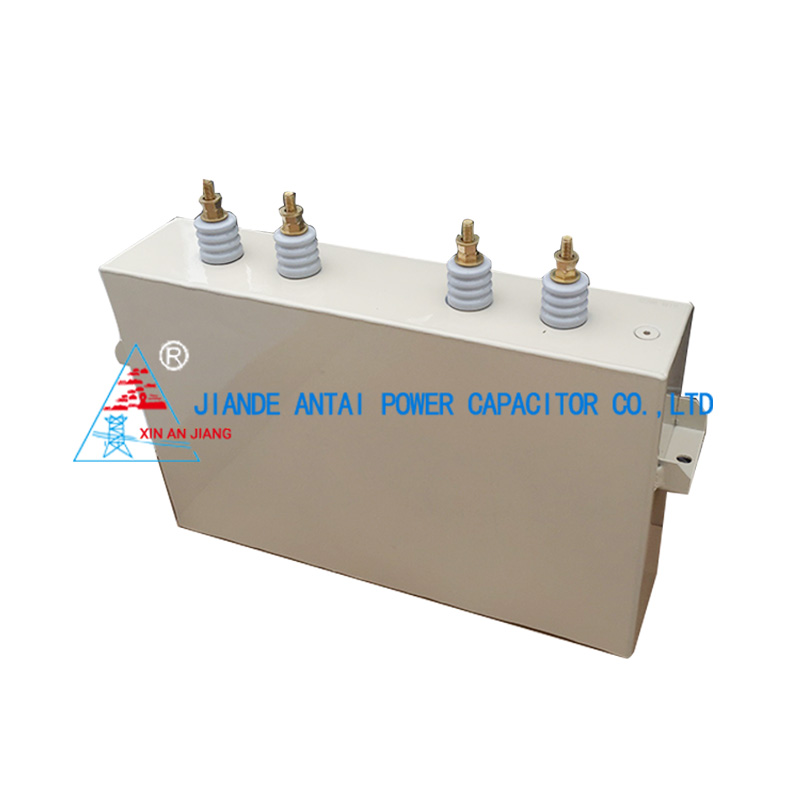
A tank capacitor is a specialized component primarily used in resonant circuits, such as those found in induction heating, melting systems, and RF applications. It works in conjunction with an inductor to form a "tank circuit" that stores and oscillates energy at a specific resonant frequency. This oscillation is key to generating precise, high-power outputs needed for industrial processes.
Choosing an appropriate capacitor is not a one-size-fits-all process. It requires a careful balance of electrical specifications, environmental factors, and long-term reliability needs. For instance, the requirements for a high voltage tank capacitor for induction heating vastly differ from those used in lower-frequency applications.
While film capacitors are most common, other types may be considered. For example, a tank circuit capacitor for RF applications demands extremely low ESR and high self-resonant frequency, which might favor specific ceramic or mica capacitors. The following table contrasts common types:
| Capacitor Type | Best For | Key Advantages | Limitations |
| Film (e.g., Polypropylene) | General induction heating, power supplies | Low loss, high stability, long life | Larger size at high capacitance values |
| Ceramic (High-Q) | High-frequency RF tank circuits | Very low ESR, high SRF, small size | Lower capacitance range, potential microphonics |
| Mica | Precision, stable RF circuits | Exceptional stability, high voltage rating | High cost, limited availability |
The specific demands of an application heavily influence capacitor design. A high current tank capacitor design focuses on robust internal connections and effective heat dissipation to manage the significant thermal stress from ripple currents. Conversely, engineers searching for a low ESR tank capacitor are typically optimizing for efficiency in high-frequency switching circuits, where every watt of loss counts.
Another critical niche is tank capacitor cooling solutions. In high-duty-cycle operations, such as continuous melting, effective cooling is not an accessory but a necessity for longevity. This can involve integrated cooling fins, forced air, or liquid cooling plates. When sourcing, finding a tank capacitor manufacturer for melting systems with expertise in these integrated thermal management solutions is crucial for system uptime.
With four decades of specialization, Jiande Antai Power Capacitor Co., Ltd. has refined the art and science of capacitor manufacturing. Our focus extends beyond basic components to providing engineered solutions for complex industrial challenges.
Every capacitor leaving our facility is a product of a rigorous process backed by ISO9001 and CE certification. This commitment ensures that whether you need a standard model or a specialized high voltage tank capacitor for induction heating, you receive a component built for endurance and performance, offering exceptional value recognized by customers worldwide.
Proper care maximizes the return on your investment in a tank capacitor.
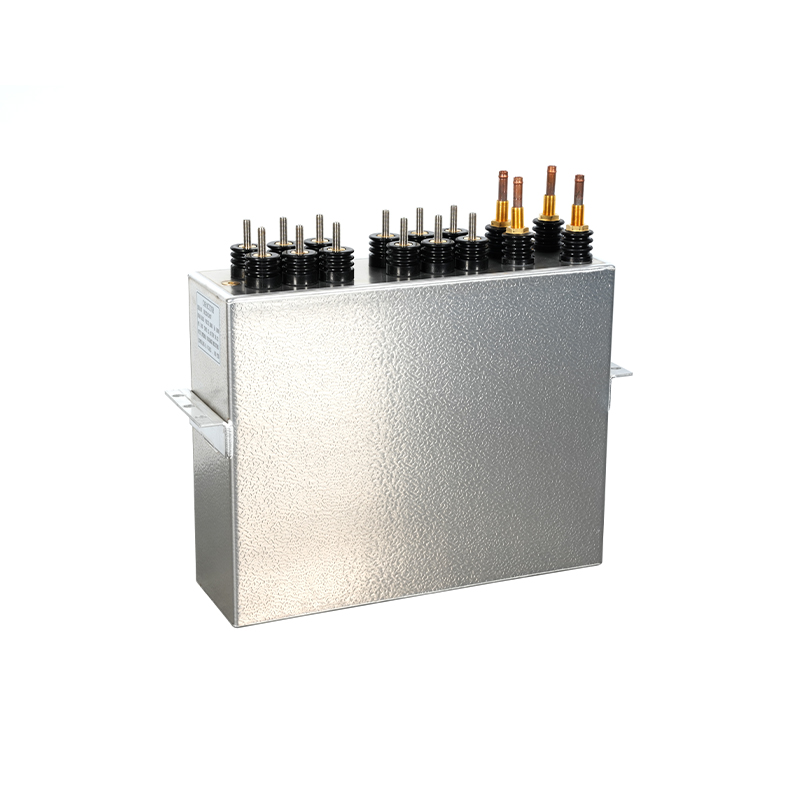
The evolution continues towards higher power densities, improved materials for lower losses, and smarter capacitors with embedded sensors for condition monitoring. Manufacturers like Jiande Antai are at the forefront, investing in R&D to meet these future demands, ensuring that the tank capacitor remains a cornerstone of efficient industrial power conversion.
Its primary purpose is to form a resonant circuit with the work coil inductor. This resonance allows for the efficient generation of a high-frequency alternating magnetic field, which is essential for inducing eddy currents and heating the metal workpiece.
The choice hinges on frequency and power. Film capacitors, like polypropylene, are superior for most induction heating and high-power applications due to their low loss and high current handling. Ceramic capacitors are preferred for very high-frequency, lower-power RF circuits where minimal ESR is critical.
Low Equivalent Series Resistance (ESR) minimizes power loss within the capacitor itself, which would otherwise be wasted as heat. This leads to higher system efficiency, reduced cooling requirements, and improved capacitor longevity, especially in high-frequency high current tank capacitor design.
Visual signs include bulging, leaking, or discoloration. Operational signs are a drop in system efficiency, unexpected circuit tripping, increased heating of the capacitor itself, or a measurable shift in capacitance and increased ESR.
Absolutely. Reputable manufacturers like Jiande Antai routinely customize parameters such as capacitance value, voltage rating, terminal configuration, case size, and integrated cooling features to meet specific application needs, whether for a unique tank circuit capacitor for RF applications or a large-scale melting system.
Contact Us
News center
information
Tel: +86-571-64742598
Fax: +86-571-64742376
Add: Zhangjia Industrial Park, Genglou Street, Jiande City, Zhejiang Province, China
mobile