Content
Understanding the phenomenon of a Melted Capacitor is critical for engineers, technicians, and B2B procurement specialists managing complex power electronics, induction heating systems, or industrial equipment. A capacitor that has physically melted often indicates extreme thermal or electrical stress that, if not identified early, can lead to system failure and costly downtime.
According to the latest report by Market Research Future, the global capacitor market is projected to reach USD 82.66 billion by 2035, driven by increased adoption of power electronics and industrial automation solutions. This growth highlights the importance of reliability and early diagnostics to avoid failures such as melting or catastrophic breakdown.
Source: Market Research Future - Capacitor Market Size
Early identification of a Melted Capacitor allows maintenance teams to plan interventions before system damage occurs. Detecting early warning signs can prevent equipment downtime, reduce replacement costs, and ensure continuous operation of critical machinery, including induction heating units and DC filter circuits.
Industry safety guidelines indicate that exceeding a capacitor’s rated voltage or temperature reduces its lifespan significantly. For every 10°C above the rated operating temperature, capacitor life can be reduced by 50%. This underscores why monitoring and preventive action are essential.
Source: ZVEI - Power Capacitor Safety Recommendations
| Symptom Type | Visual Signs | Electrical Signs |
| Typical Examples | Bulging, discoloration | ESR increase, capacitance drop |
| Detection Time | Late | Early |
| Diagnostic Tools | Visual inspection | LCR meter, ESR meter |
Industrial and high‑voltage applications benefit from continuous monitoring techniques that track ESR and capacitance over time. Implementing these measures allows early warning of potential failures (condition monitoring for melted capacitor early warning), enabling preventative maintenance before a catastrophic failure occurs. Recent studies suggest that predictive analytics and thermal imaging significantly enhance detection accuracy for melted capacitor causes in industrial equipment.
Source: Arxiv.org - Predictive Capacitor Monitoring
Capacitor failures can occur due to thermal overload or dielectric breakdown. The differences are summarized below:
| Failure Mode | Thermal Overload | Dielectric Breakdown |
| Cause | Excess heat | Excess voltage |
| Primary Indicator | Melted casing, resin leakage | Short circuit or catastrophic failure |
| Detection Method | Temperature and visual inspection | Electrical testing, insulation resistance |
According to 360 Research Reports, capacitors with higher temperature ratings and advanced monitoring are increasingly adopted in industrial heating systems, EV inverters, and power distribution units to mitigate early failures.
Source: 360ResearchReports - High Temperature Capacitors Market
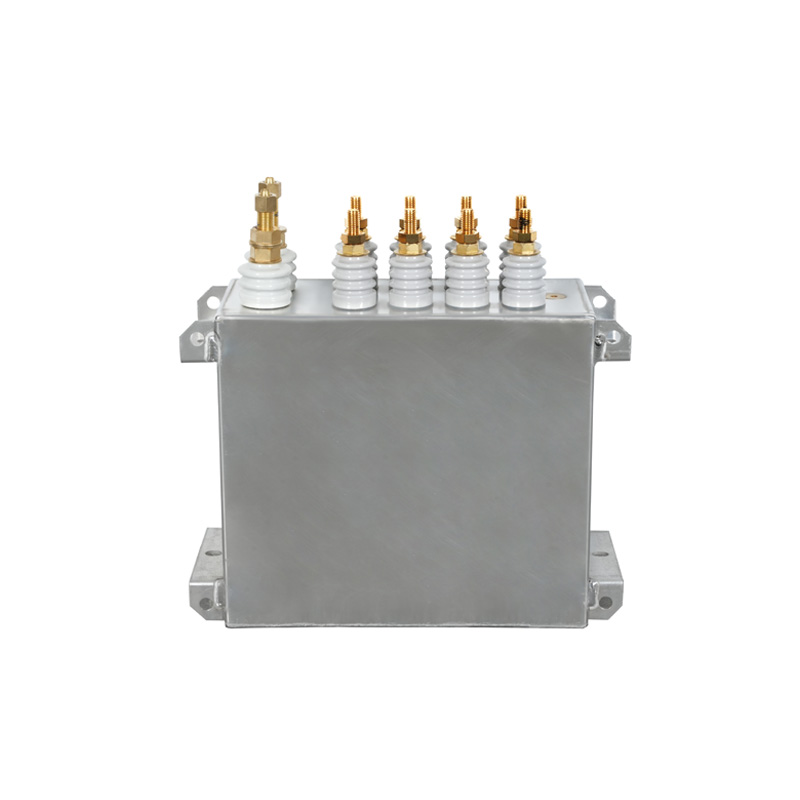
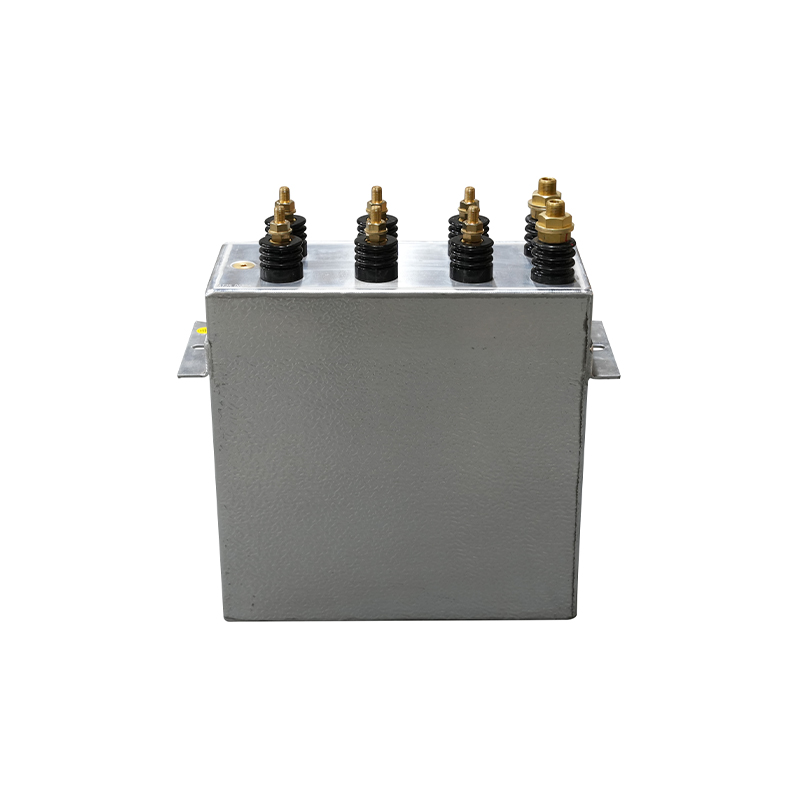
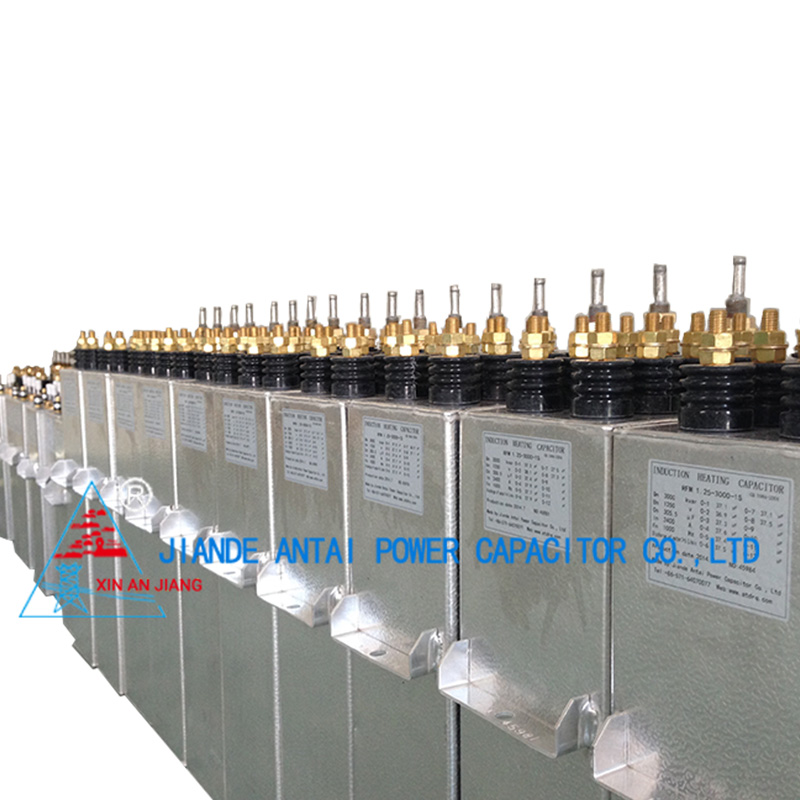
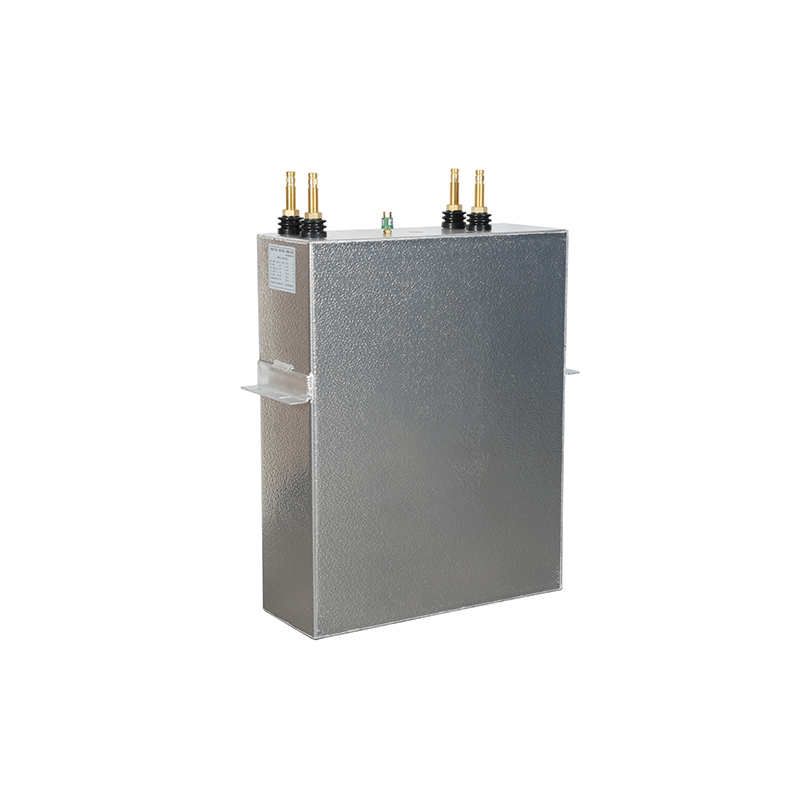
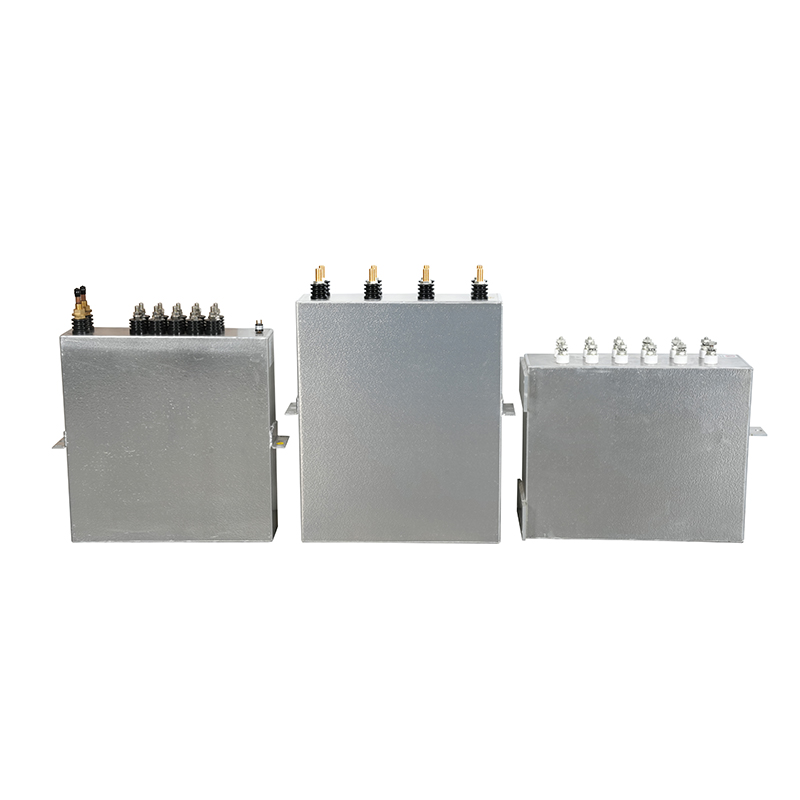
Jiande Antai Power Capacitor Co., Ltd. is a professional manufacturer of induction heating and melting capacitors with 40 years of experience. The company’s factory spans over 10,000 square meters and utilizes advanced, customized machinery and imported raw materials. With a skilled R&D team, Antai delivers high-quality induction heating & melting capacitors, DC filter capacitors, and high-voltage capacitors that comply with ISO9001 and CE standards.
For B2B clients seeking reliable Melted Capacitor solutions, Antai’s products provide exceptional performance, competitive pricing, and expert technical support, ensuring business continuity and equipment safety.
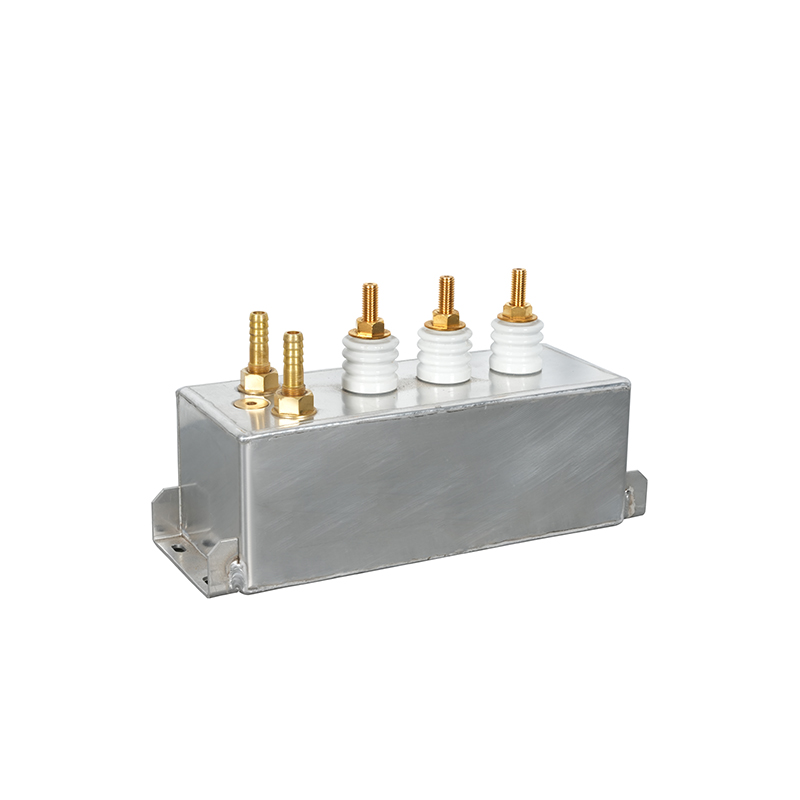
Proactive identification of a Melted Capacitor using both visual inspection and electrical diagnostics is essential for safeguarding industrial and electronic systems. Leveraging predictive monitoring, industry benchmarks, and compliance standards helps reduce risk, extend equipment life, and optimize operational efficiency. Employing the methods discussed here ensures early detection and prevention of costly failures.
Contact Us
News center
information
Tel: +86-571-64742598
Fax: +86-571-64742376
Add: Zhangjia Industrial Park, Genglou Street, Jiande City, Zhejiang Province, China
mobile


 English
 русский
 Deutsch